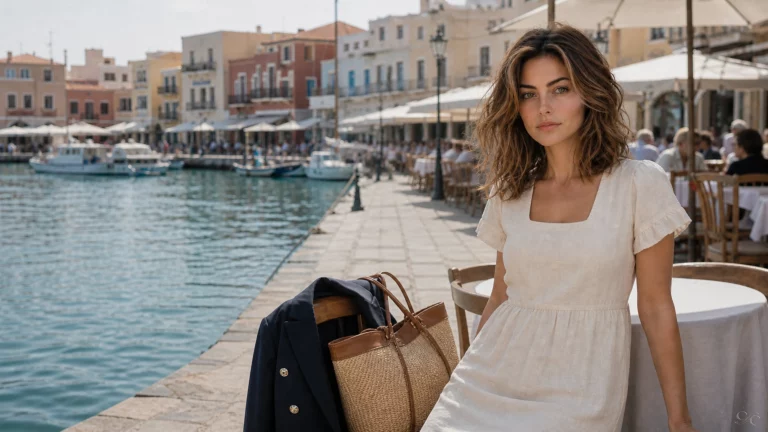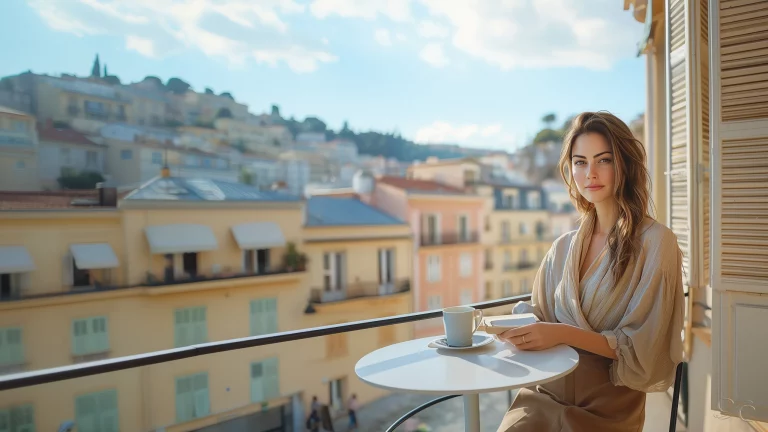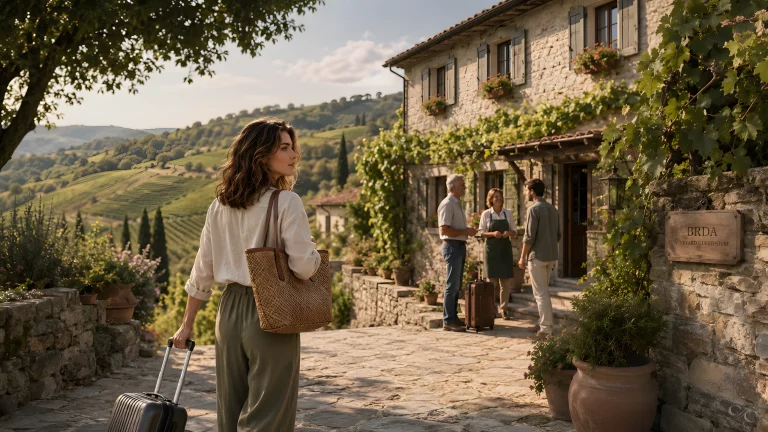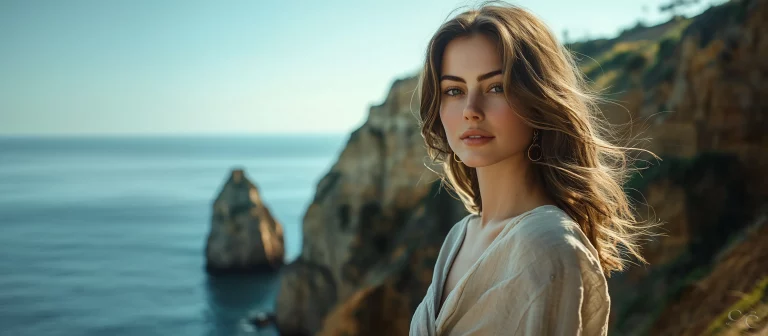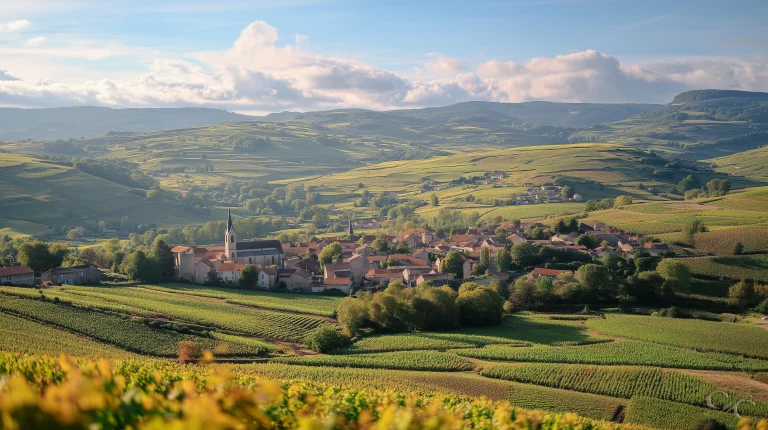
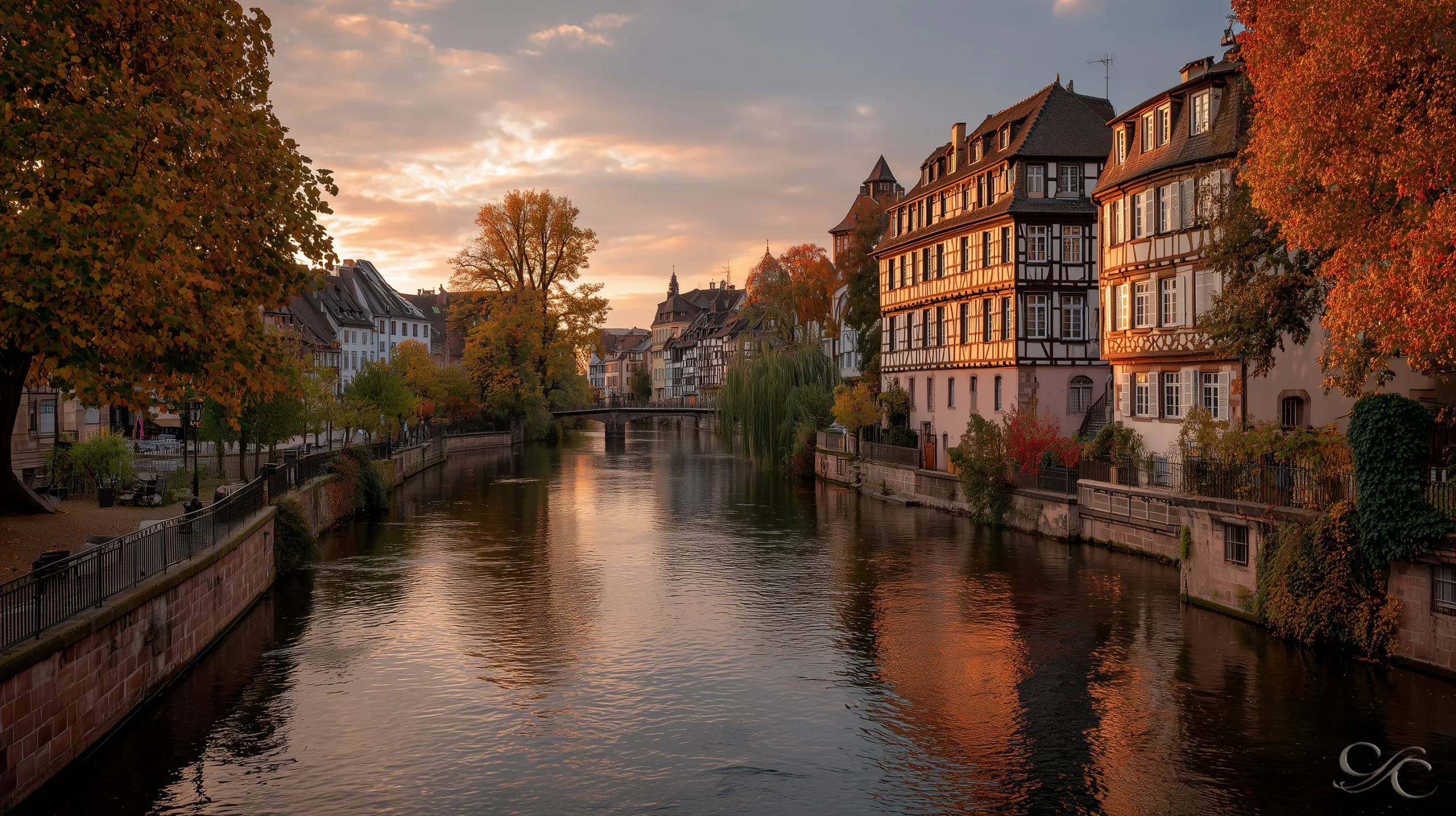
🍂 Autumn Days in Strasbourg — Cathedrals, Canals, and Quiet Corners
Canals, winter light, and soft layers in one of Europe’s most atmospheric cities
After leaving Provence behind, I arrived in Strasbourg, the capital of Alsace and a city that feels at once French, German, and entirely its own. Here, half-timbered houses lean over the water, trams glide past Gothic spires, and the air carries the scent of spices, roasted chestnuts, and cold river mist.
For centuries Strasbourg has been a crossroads—once a free imperial city, later a symbol of reconciliation between France and Germany, and today home to the European Parliament. Its historic center, the Grande Île, is a UNESCO World Heritage site, but it never feels like a museum. Life here is warm, social, and always in motion.
In late autumn and early winter, the city glows. The canals of Petite France reflect strings of lights, the cathedral square fills with Christmas stalls, and the air is just cold enough to justify coats, scarves, and all the layered textures I love.
This is how my first five days in Strasbourg unfolded—through stations and side streets, cafés and windows, vineyards and cellars.
Arrival in Strasbourg — platforms, trams, and first winter air
I arrived at Gare de Strasbourg, where the 19th-century station is wrapped in a modern glass dome—old stone and contemporary architecture layered together, just like the city. Outside, the air felt sharper than in Avignon: cooler, crisper, with the faint smell of woodsmoke and winter streets.
From the station, it’s only a few tram stops to the historic center. As the tram slid past Place des Halles and toward the Grande Île, I could already see the outline of Strasbourg Cathedral in the distance, rising like a lacework tower above the rooftops.
My outfit for arrival was all about warmth and movement: a wool coat, long scarf, and structured bag that could handle both travel and an immediate walk into town.

If you’re arriving:
Petite France — canals, timbered houses, and storybook alleys
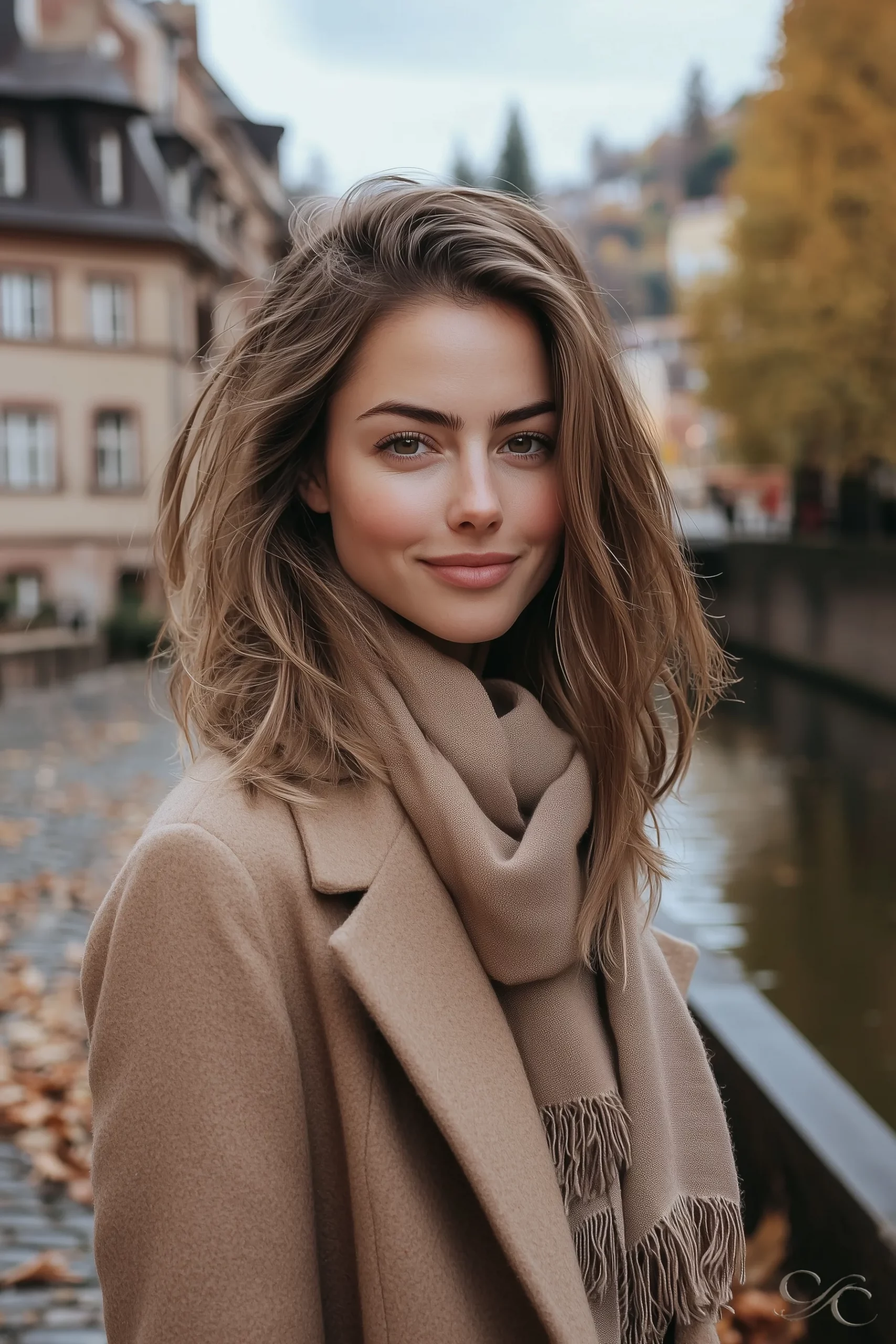
My first full morning began in Petite France, Strasbourg’s most photographed district. Once home to tanners and millers in the 16th century, it’s now a tangle of cobblestone streets, flower boxes, and timbered façades leaning toward the Ill River.
In late autumn, the canals are edged with fallen leaves and the light is soft, almost cinematic. Every corner offers a new reflection: rooftops mirrored in the water, bridges framed by trees, and the sound of church bells traveling down the river.
I kept the look simple—camel coat, wool scarf, and boots that could handle uneven stones—letting the architecture do most of the talking.
What to look for:
Boutique Moments — mirrors, scarves, and winter color
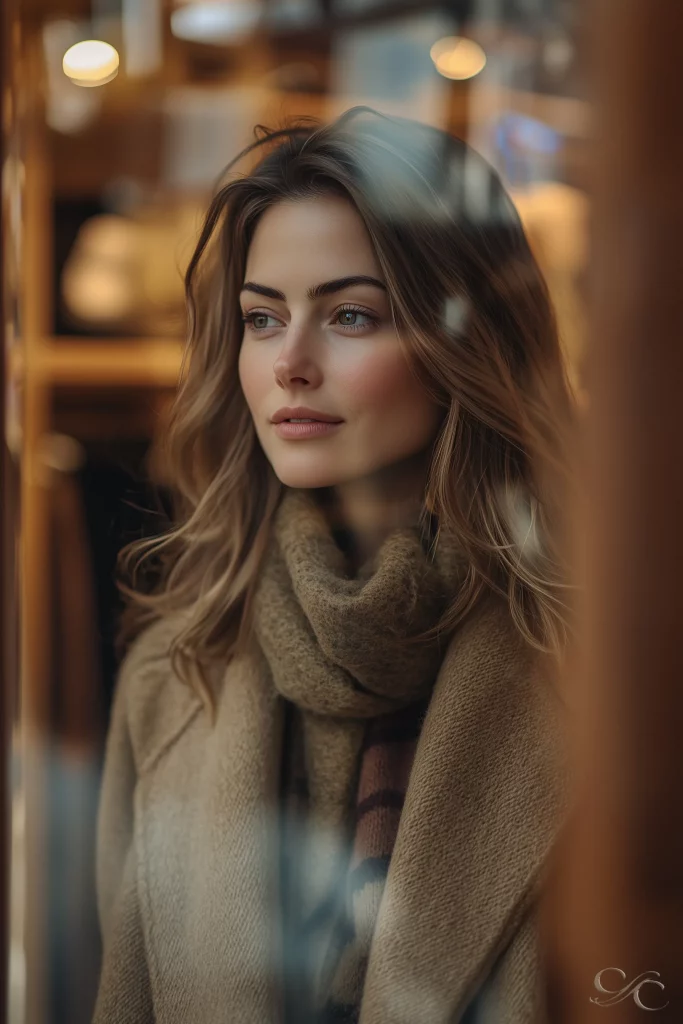
Strasbourg is full of small boutiques—part Parisian chic, part Alpine practicality. I ducked into a tiny shop near Rue des Grandes Arcades, its shelves stacked with coats, scarves, and knitwear in deep winter hues.
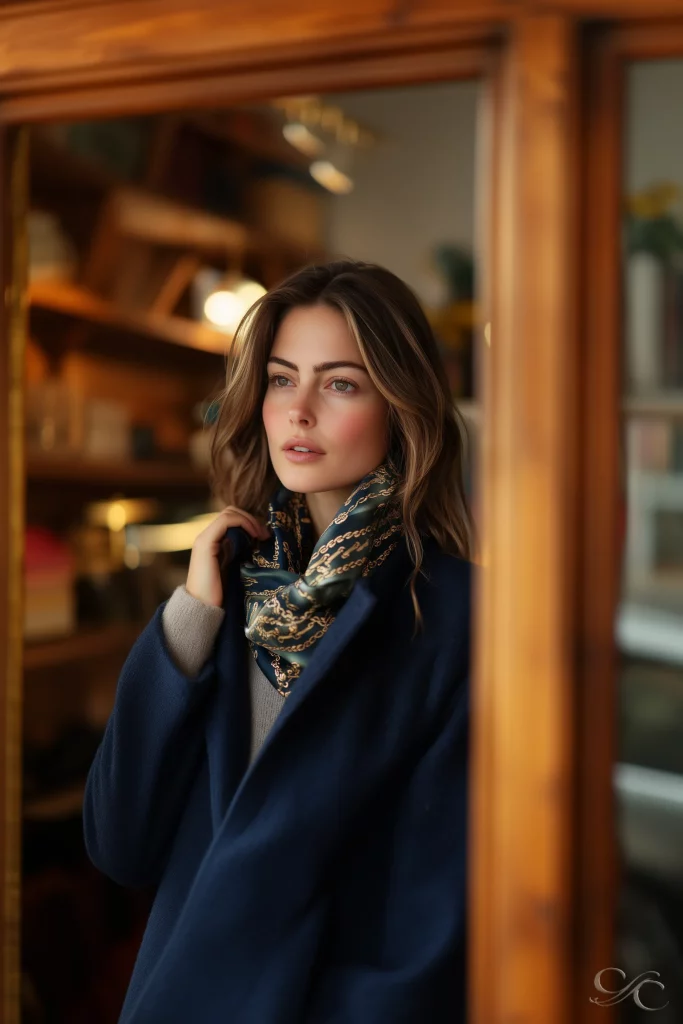
In the quiet of the fitting room, I tried on a navy coat and patterned silk scarf, watching how the light from the street softened in the mirror. These in-between moments—choosing the next layer, adjusting a collar—often become some of my favorite frames of a trip.








Fashion notes:
Back on the Street — movement, texture, and city rhythm

Outside again, the streets were busier: shoppers with paper bags, children in wool hats, and the distant sound of carousels spinning in the squares. The new coat moved easily as I walked, catching the breeze and framing the scarf in just the right way for a few quick shots.
This is one of the things I love about Strasbourg—the way everyday errands feel cinematic when the architecture and light are doing half the styling for you.
First Market Evenings — warm drinks and wooden stalls
As dusk settled, I followed the lights toward Place Kléber and Place Broglie, where Strasbourg’s famous Christmas markets begin to glow. This city has hosted one of Europe’s oldest holiday markets since the 16th century, and you can feel that history in the wooden stalls, each trimmed with garlands and warm bulbs.
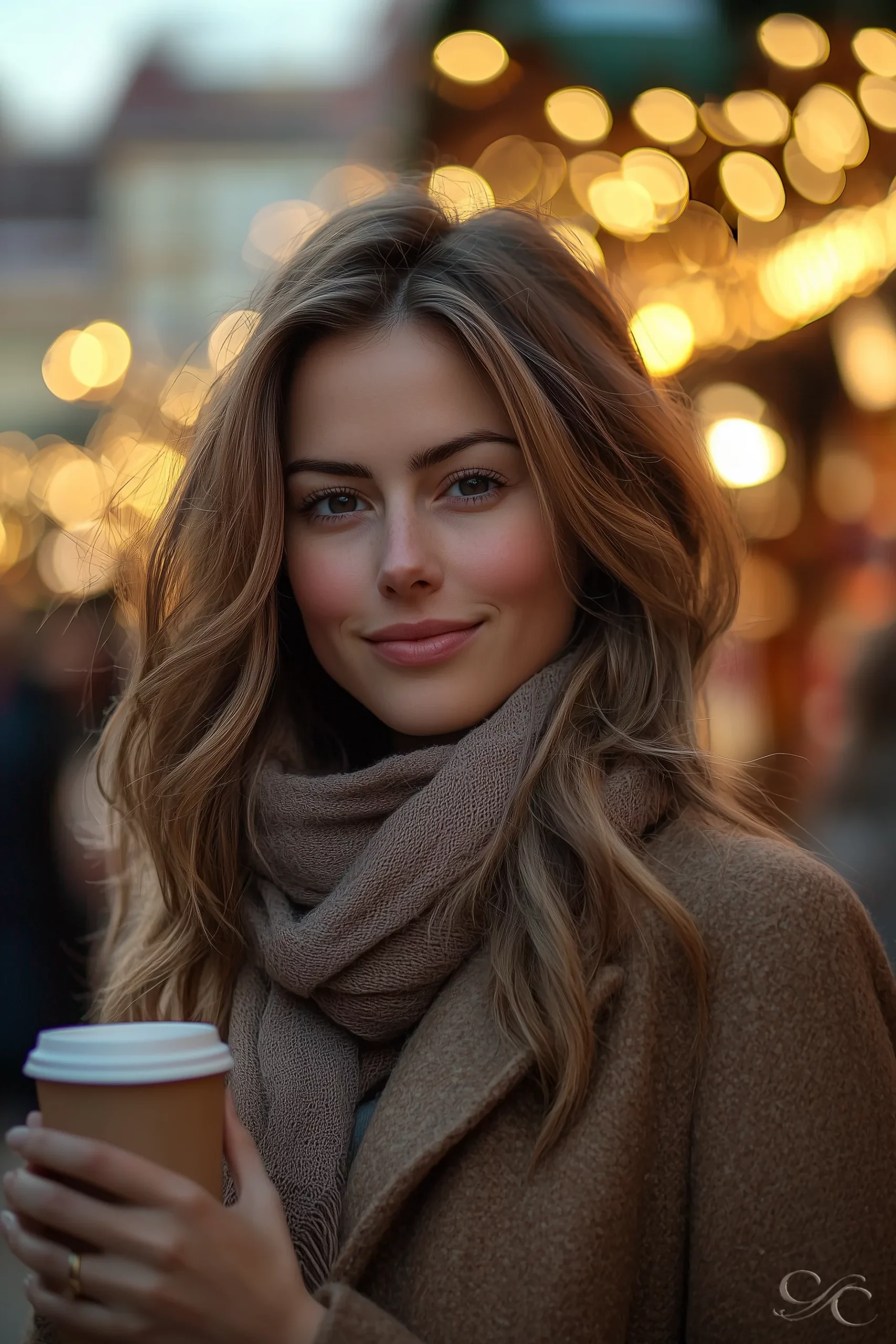
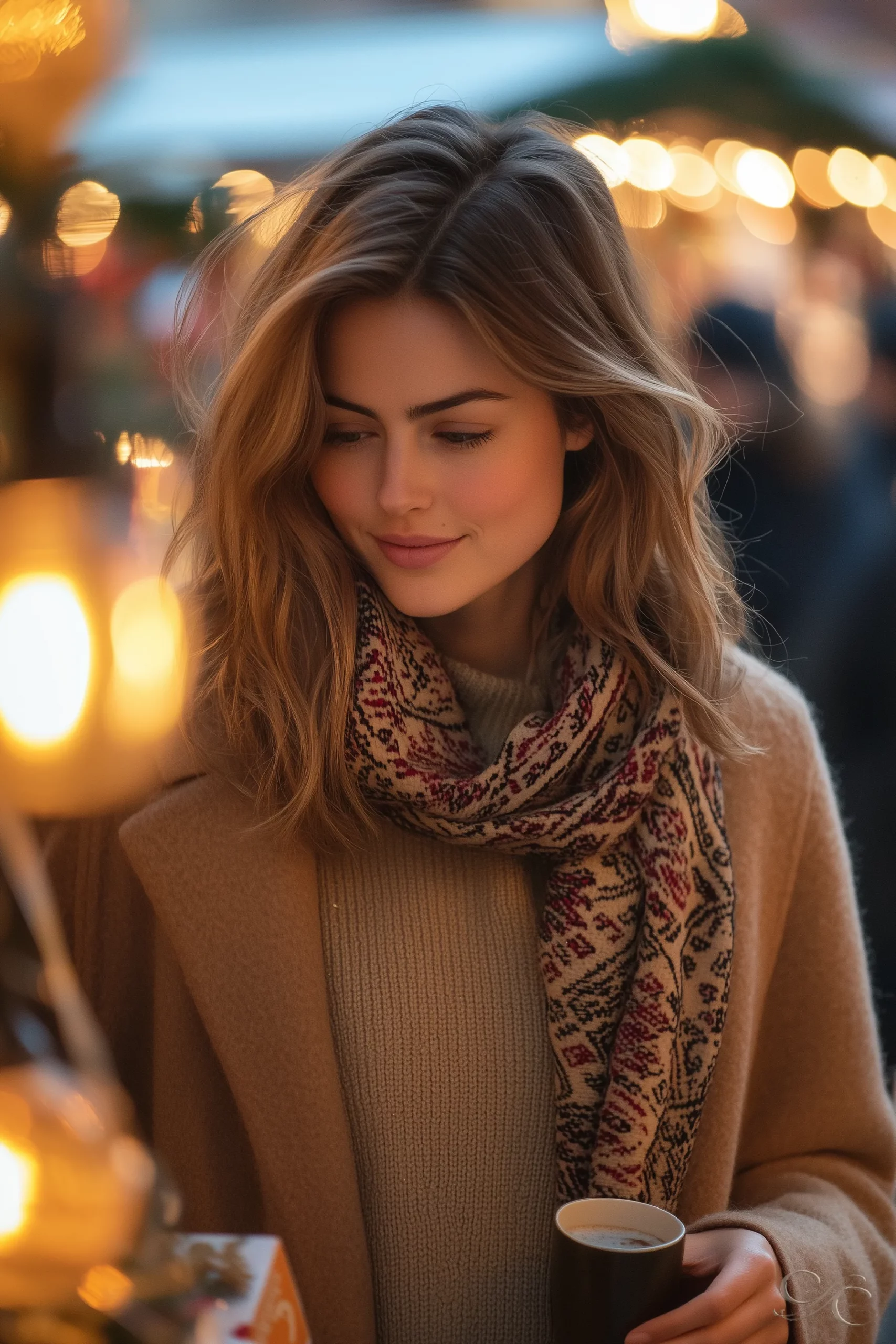
I wrapped my hands around a hot drink, letting the steam rise as I walked from stall to stall—spices, candles, ornaments, and local specialties like bredele cookies and flammekueche. The air was a mix of cinnamon, pine, and cold night air.
If you’re visiting:
Café Windows — quiet pauses and rainy-day reflections
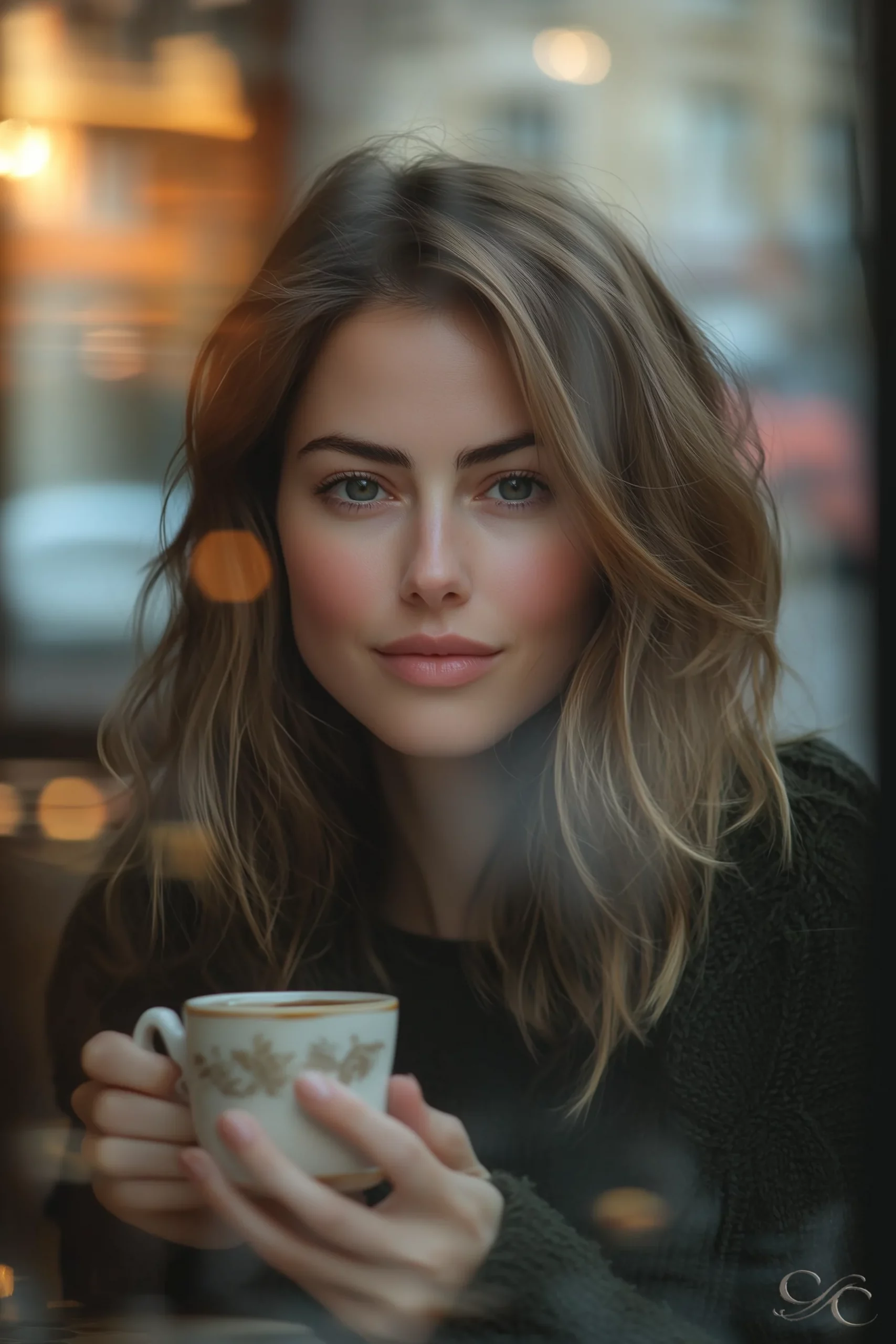
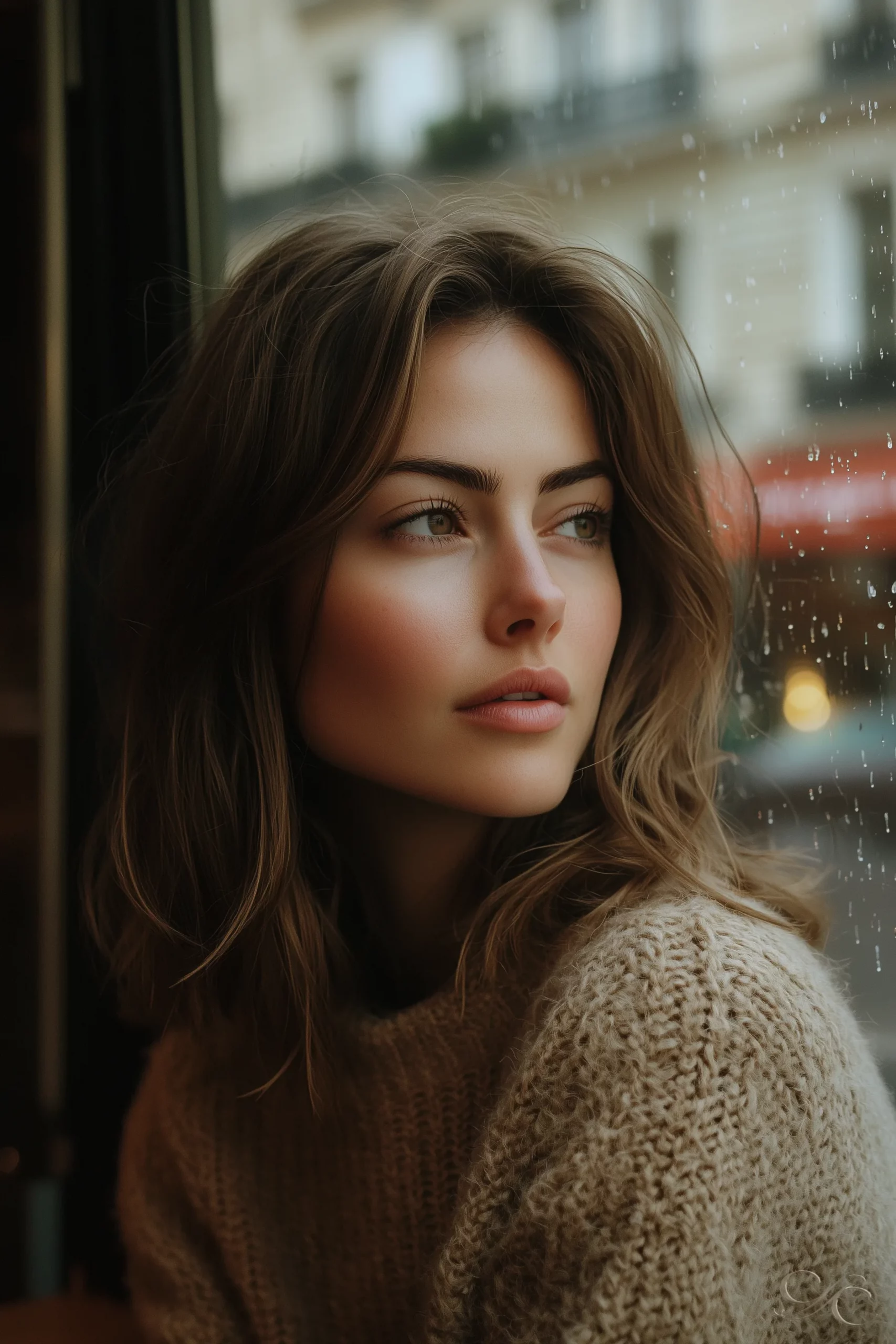
One afternoon, the weather shifted—clouds moved in, rain misted the streets, and the whole city turned reflective and quiet. I slipped into a café near the cathedral, choosing a window seat where droplets traced lines down the glass.
Strasbourg is beautiful in the rain. The timbered houses darken, the lights feel
warmer, and the sound of footsteps on wet cobblestones becomes its own soundtrack. I wrapped my hands around a cup of coffee and let myself slow down, watching umbrellas pass by outside.
These are the in-between hours I always try to keep in a trip—time to breathe, write a few notes, and simply be in the city instead of moving through it.
Cathedral Square — Strasbourg’s Gothic heart
Strasbourg’s Place de la Cathédrale is the center of the city’s history, and one of the most impressive Gothic squares in Europe. The Cathédrale Notre-Dame de Strasbourg, completed in 1439, was once the tallest building in the world and still dominates the skyline with its single soaring spire.
Around the square, you’ll find narrow medieval streets, early-morning bakeries, and the historic Maison Kammerzell, known for its ornate Renaissance façade and long wooden galleries. It’s an ideal first stop for orientation—everything in central Strasbourg branches out from here.
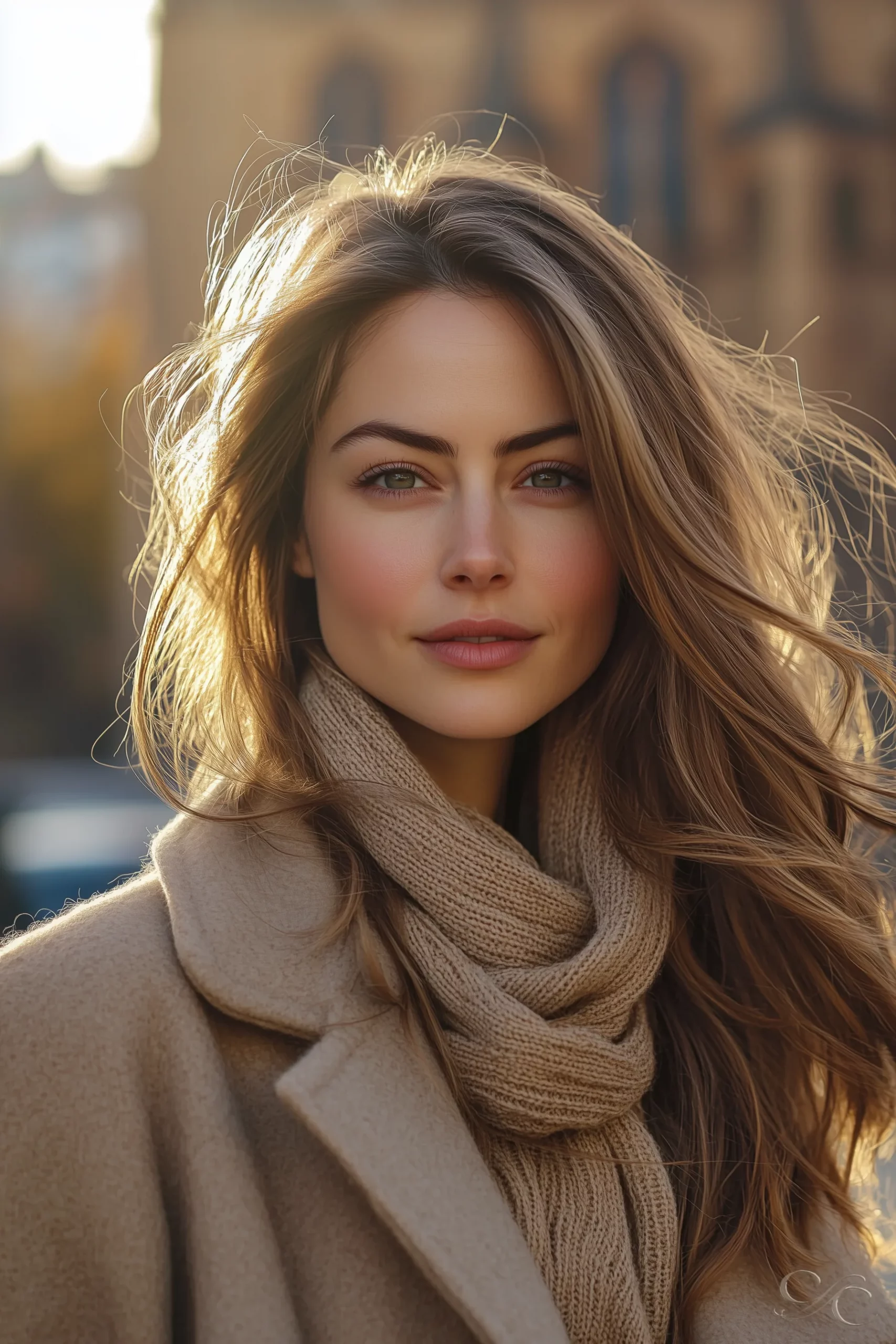
Evening Walk Through the Old Town — lanes shaped by centuries
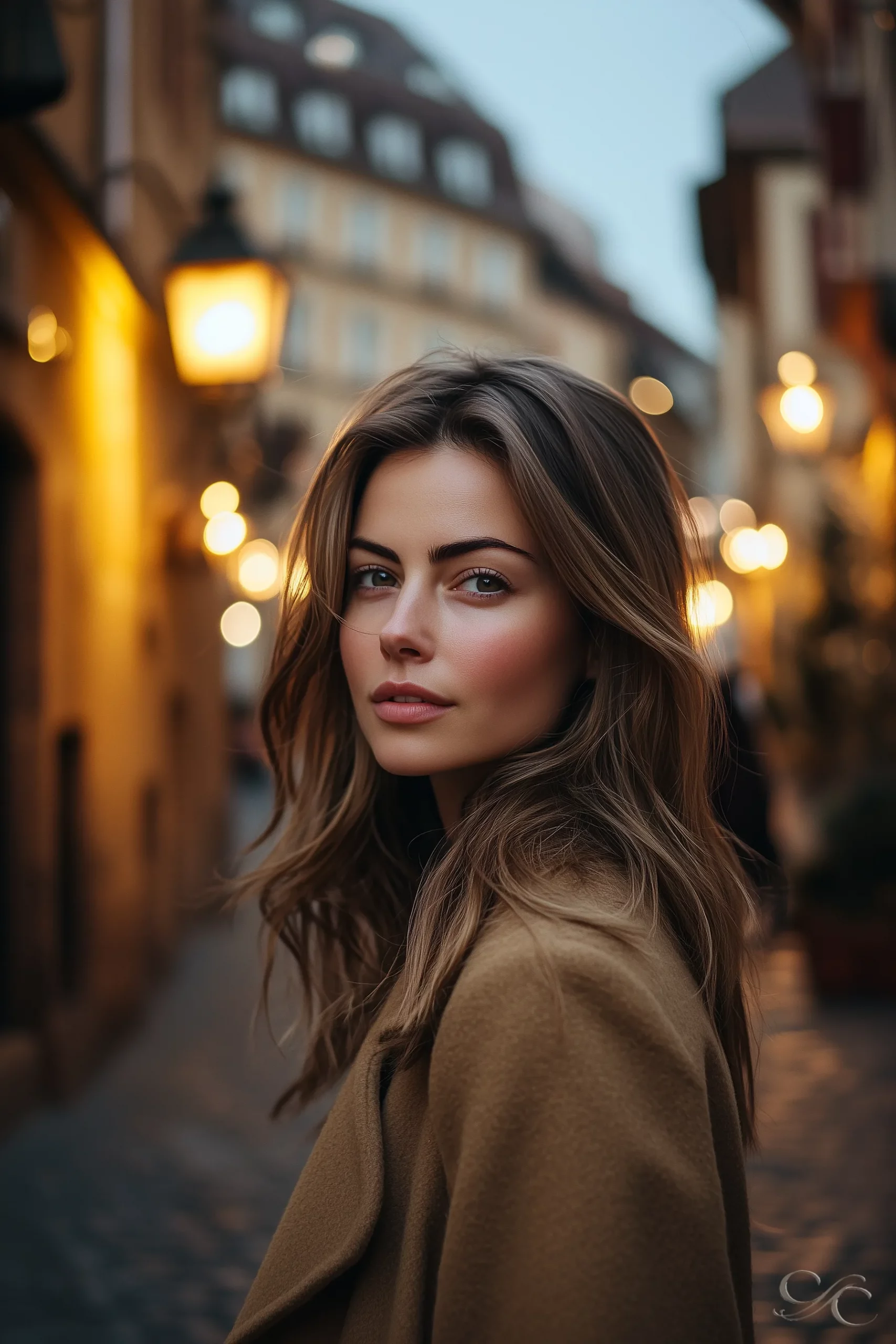
The old town streets around Rue du Maroquin and Place du Marché-aux-Cochons-de-Lait have barely changed in layout since the Middle Ages. Walking here at dusk gives you a glimpse of Strasbourg’s past as a bustling merchant quarter tied to the Rhine trade routes.
Along the way, you’ll pass timber-framed houses from the 15th–17th centuries, small winstubs (Alsatian taverns), and lantern-lit alleyways leading toward the cathedral. It’s one of the best areas to explore on foot if you want to understand how the city evolved from a fortified crossroads to the cultural capital of Alsace.
Along the Ill River — Petite France and its mill heritage
The canals of Petite France once powered tanneries, water mills, and workshops that operated here for centuries. Today, the same riverside paths offer peaceful views of half-timbered houses reflected in the Ill River, especially in autumn when the leaves turn gold.
Walking along the river from the Covered Bridges area to the narrow pedestrian lanes of Petite France gives a sense of Strasbourg’s industrial past and its modern charm. This route is also close to some of the city’s best photography spots, particularly at the lock houses and the medieval Ponts Couverts towers.
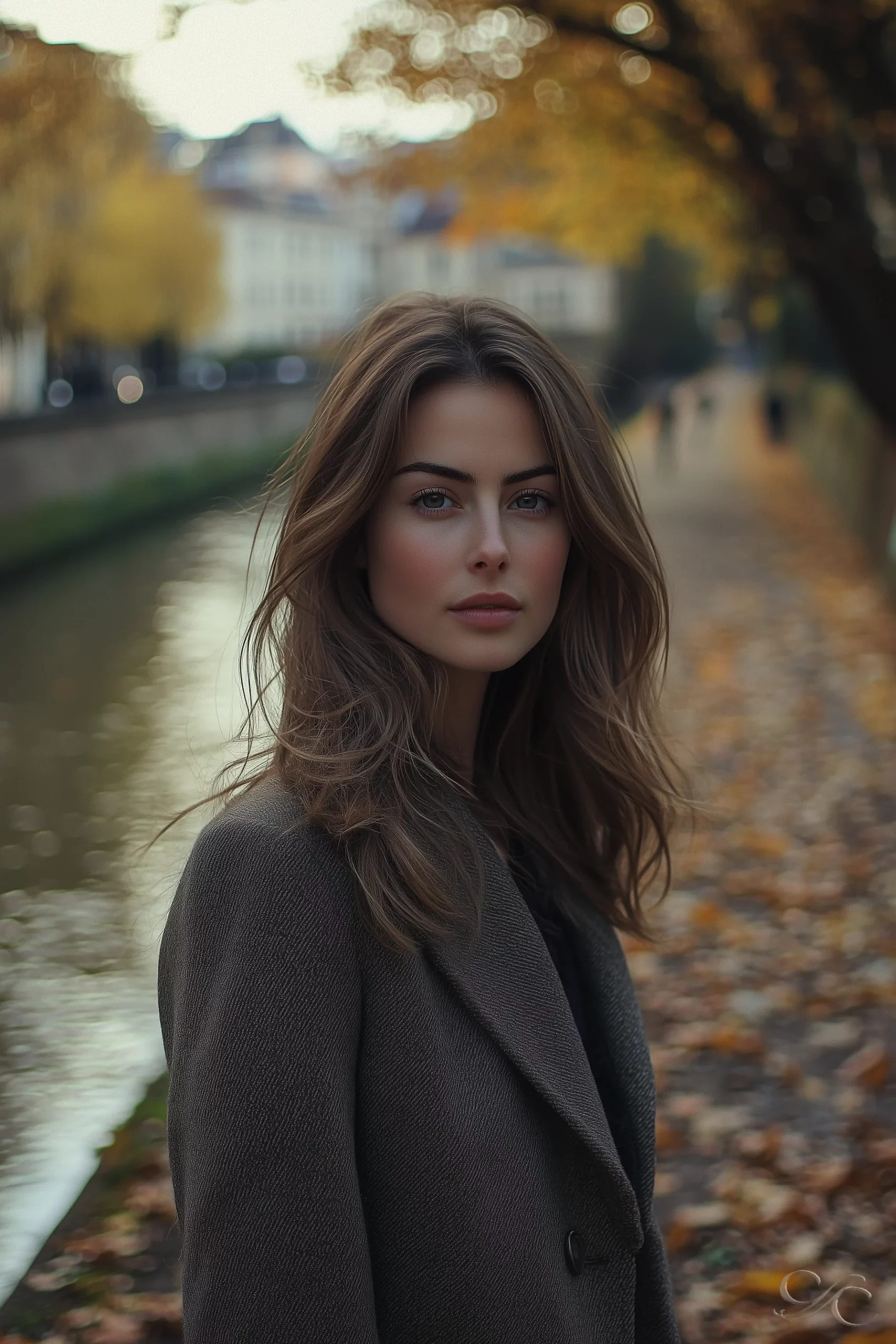
Departure Morning at Gare Centrale — a gateway since the 19th century
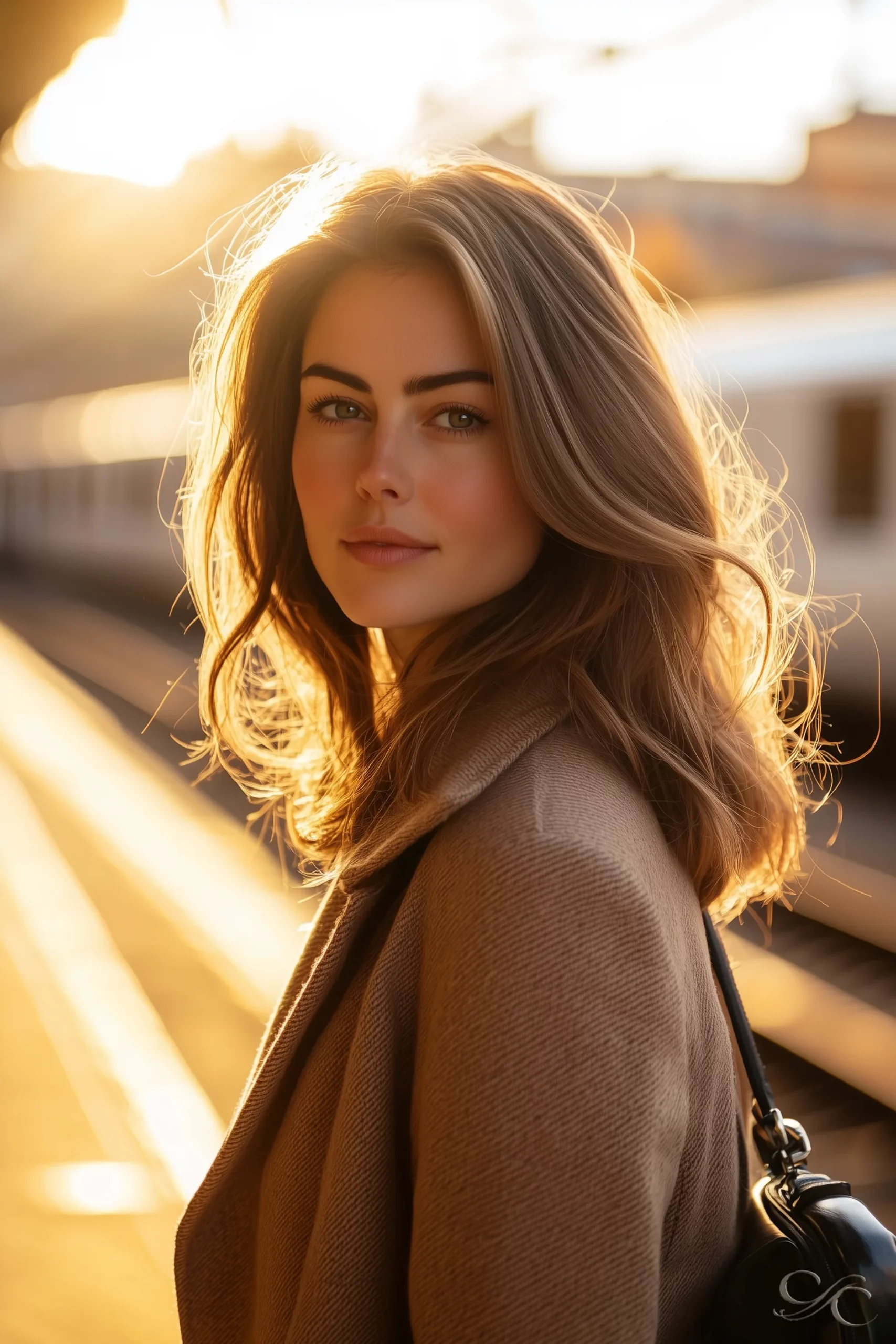
Strasbourg’s Gare Centrale, opened in 1883 and updated with a striking glass dome in 2007, is one of France’s major rail hubs. From here, trains connect the city to Paris, Germany, Switzerland, and the rest of the Alsace region.
The station area is also a good place to grab last-minute coffee or a snack—there are quick cafés inside the station and several bakeries just outside on Place de la Gare. This is the point where most visitors reflect on their time in Strasbourg before heading toward new destinations along the TGV and regional lines.
📘 The Journey Continues
After a few days in Strasbourg’s cathedral squares and canal-lined streets, it felt natural to continue south into the villages that define Alsace wine country. The landscapes shift quickly once you leave the city: half-timbered towns, hillside vineyards, and quiet roads that wind through some of France’s most celebrated white-wine regions. Next, I’ll share my days along the Alsace Wine Route—where to stop, what to taste, and how to plan an easy, scenic itinerary through Obernai, Ribeauvillé, Riquewihr, and beyond.
Inside you’ll find:
- Simple, chic outfit formulas for autumn trips
- Small, scenic walks in the regions
- Wine discoveries for the regions visited
- Café & terrace picks with the best morning light
- 2-day and 3-day style-forward itineraries
👉 Join my mailing list to be the first to receive it — plus my bonus Autumn Capsule Packing List.
💬 Need suggestions sooner?
I’m always happy to help.
💬 Chat with Camille for quick tips on wineries, driving routes, or where to book tastings. I’ll tailor suggestions to your dates, pace, and style.
À bientôt,
Camille 🍇✨