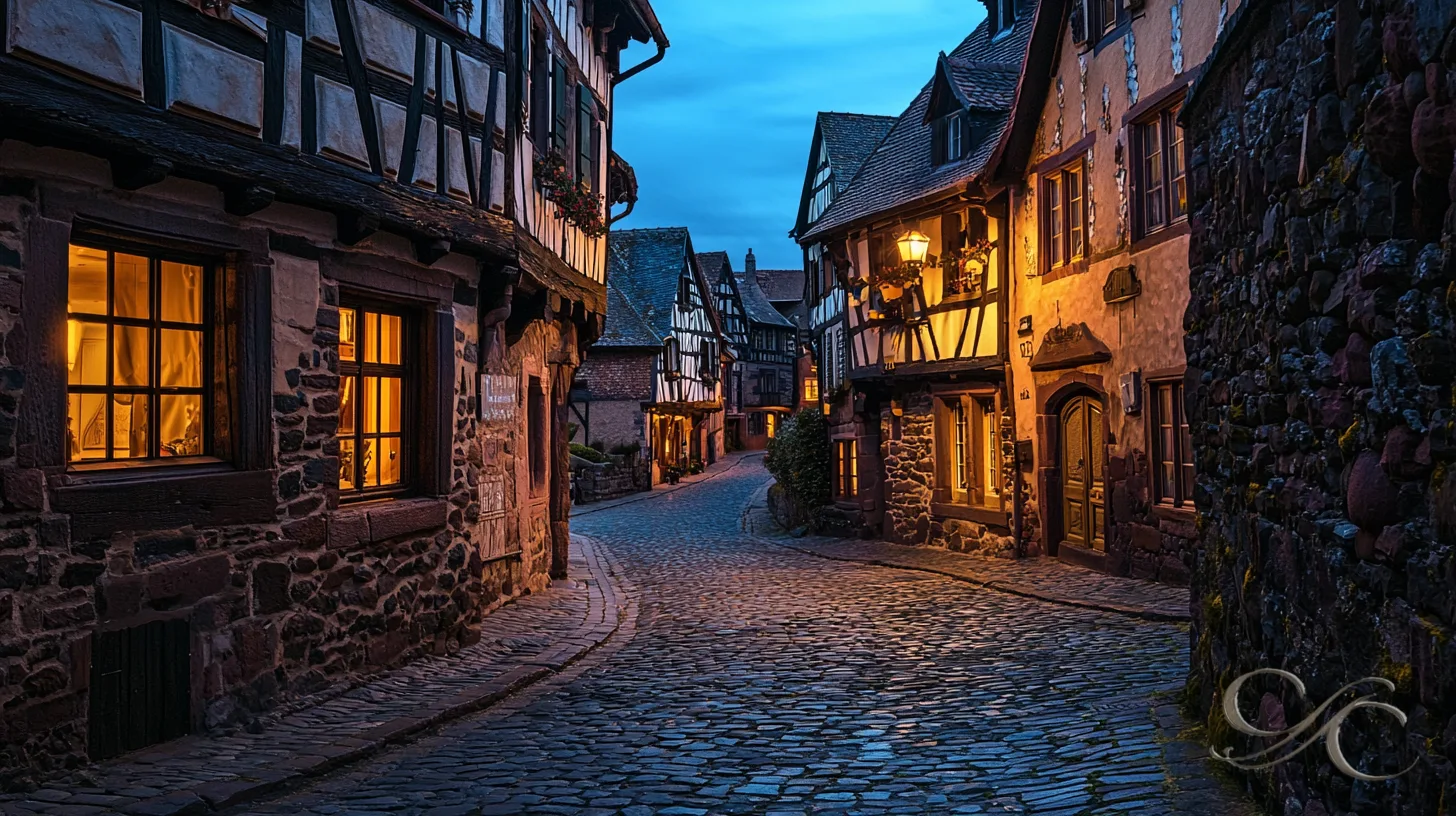
🥂South Along the Alsace Wine Route: Ribeauvillé, Hunawihr & Riquewihr
The Alsace Wine Route shifts again as you move into the heart of the “postcard” villages—where the streets feel narrower, the façades brighter, and the sense of history is sometimes hidden behind how effortlessly charming everything looks. This chapter takes me through Ribeauvillé, Hunawihr, and Riquewihr—three stops that sit close together, yet each tells a slightly different story about how Alsace grew: wine commerce in the valley towns, monastic and village life on the hillsides, and a carefully preserved medieval core that became one of the region’s most recognizable images.
Together, these villages represent a classic Alsace rhythm: a walkable historic center, vineyards climbing just beyond the roofs, and the feeling that wine has always been part of daily life—not something staged for visitors. The best way to experience this stretch is to keep the pace unhurried: one short stroll, one thoughtful tasting, and enough time to notice the details.
Ribeauvillé — a wine town shaped by trade, towers, and the valley
Ribeauvillé feels like a proper wine town—bigger than the tiny villages, more animated, and historically tied to commerce as much as viticulture. It sits in the valley with vineyards rising behind it, and that geography mattered: towns like this prospered because they were easy to reach, easy to trade with, and well positioned between the Rhine plain and the foothills of the Vosges.
Above the town, the three castle ruins (often called the Ribeauvillé castles) are a constant reminder that wine regions weren’t only agricultural—they were contested, taxed, and protected. Alsace’s long history of shifting borders and competing authorities shows up here in stone: fortified heights guarding a town whose wealth was tied to the vine.
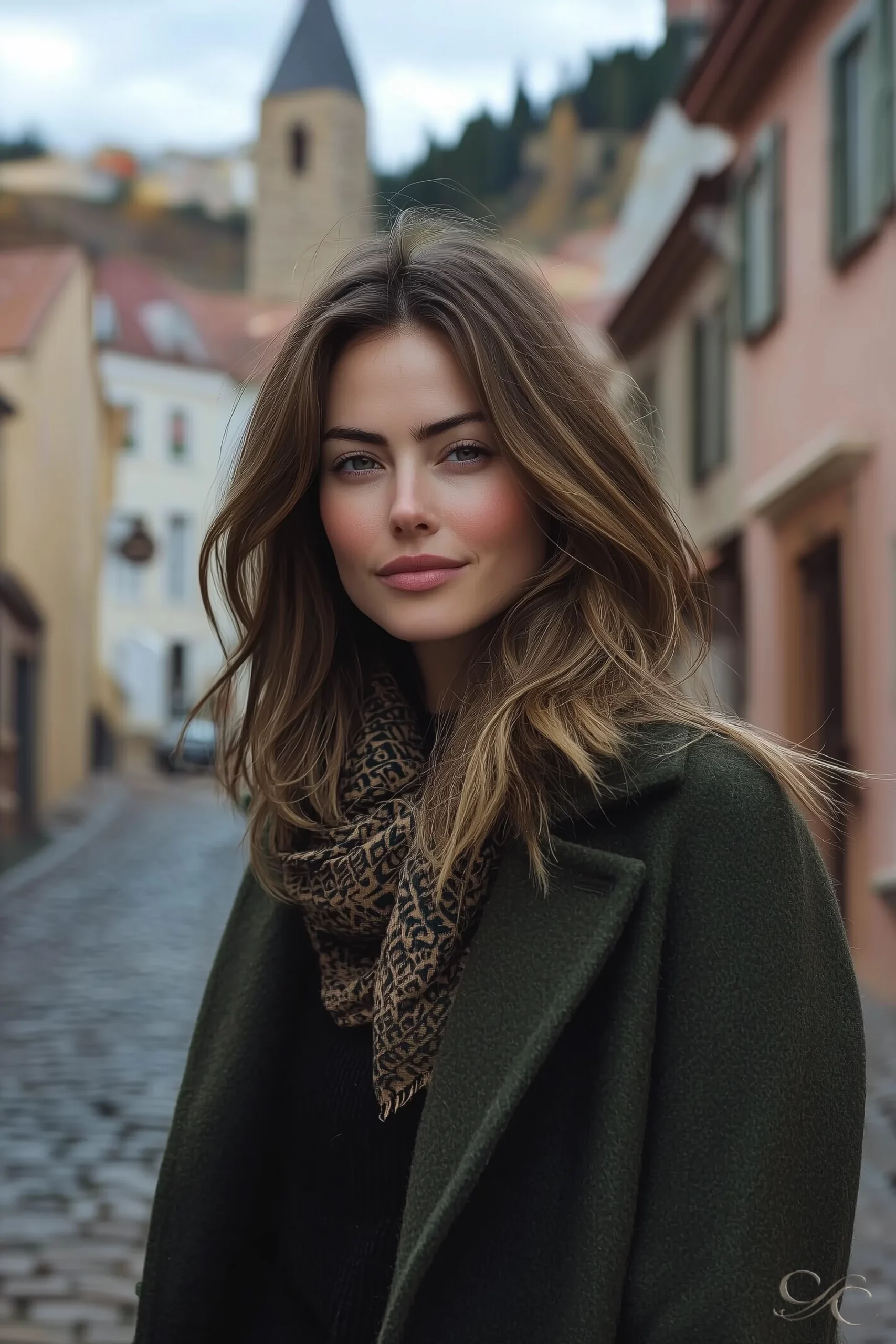
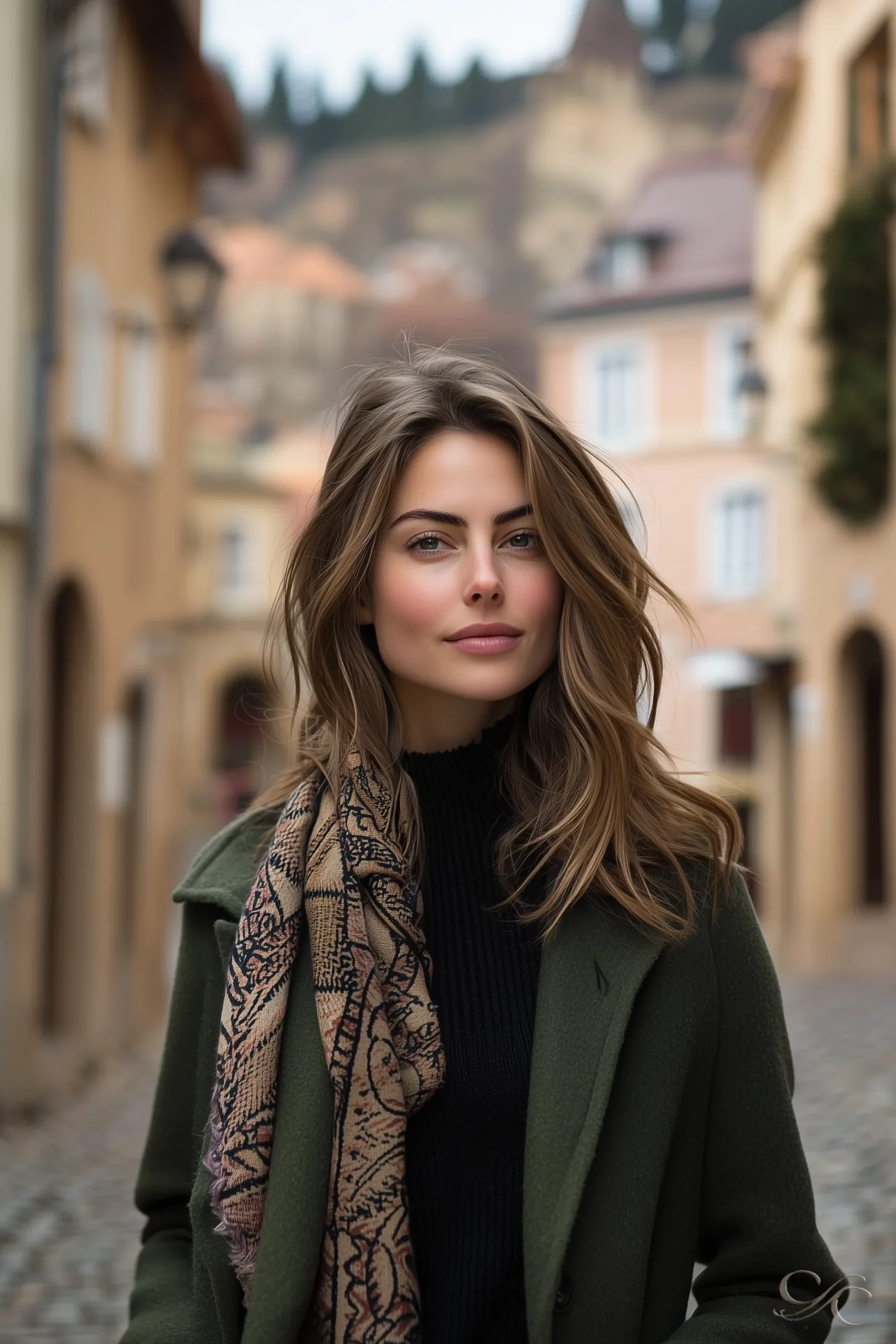
It’s a natural place to taste because the town has long been tied to wine commerce and quality estates in the surrounding slopes. The mood here is lively but still unmistakably Alsatian—timber-framed houses, warm storefront light, and that sense of moving through a place that’s been visited for centuries, not just decades.
For a tasting in Ribeauvillé, I like to stay in the “Alsace-classic” lane: Riesling for clarity and structure, Pinot Gris for something rounder, and Gewürztraminer only if you want aromatics with real presence.
Wines to know in Ribeauvillé
Because Ribeauvillé sits in a valley with excellent vineyard access, the wines here often feel structured and confidently made—built for the table, not just the tasting counter.
A simple plan in Ribeauvillé
Hunawihr — vineyards, a hillside church, and the quieter side of Alsace
Hunawihr feels different immediately—smaller, more vineyard-wrapped, and more defined by its hillside setting. It’s one of those places where the village and the surrounding slopes seem inseparable, and the atmosphere is shaped less by shops and crowds and more by landscape and light.
The church above the vineyards gives the village its iconic profile, but it also hints at how long settlement patterns here have been tied to faith, agriculture, and local protection. In Alsace, village churches weren’t just religious buildings—they were visual anchors, built to last in a region that repeatedly changed hands.
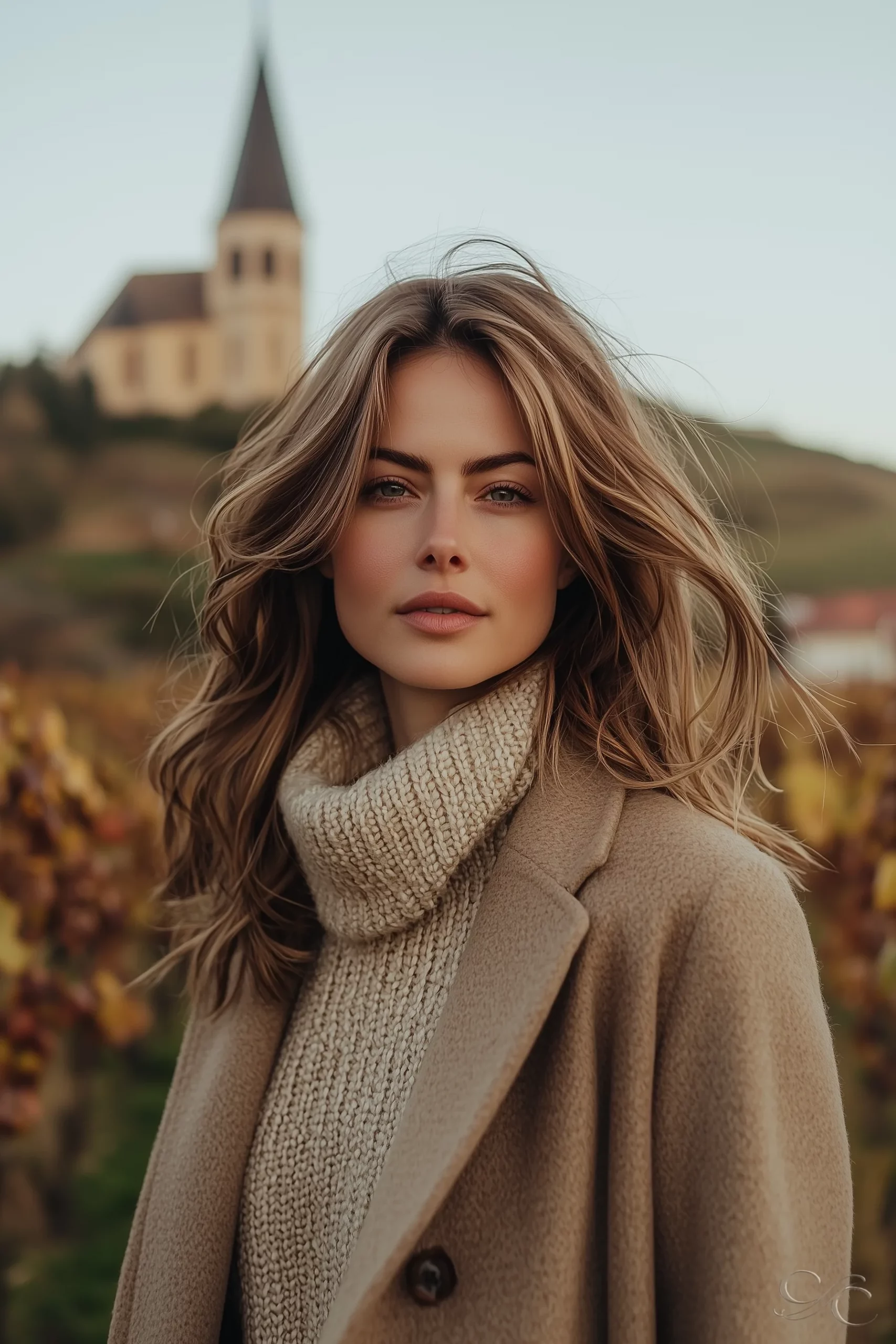
This is a beautiful place to keep the tasting light and precise: Riesling if you want structure, Muscat if you want something fragrant but dry, and Pinot Blanc if you want something clean and simple. Hunawihr is less about “doing a lot” and more about letting the scenery slow you down.
Wines to know in and around Hunawihr
Riquewihr — the storybook village, carefully preserved
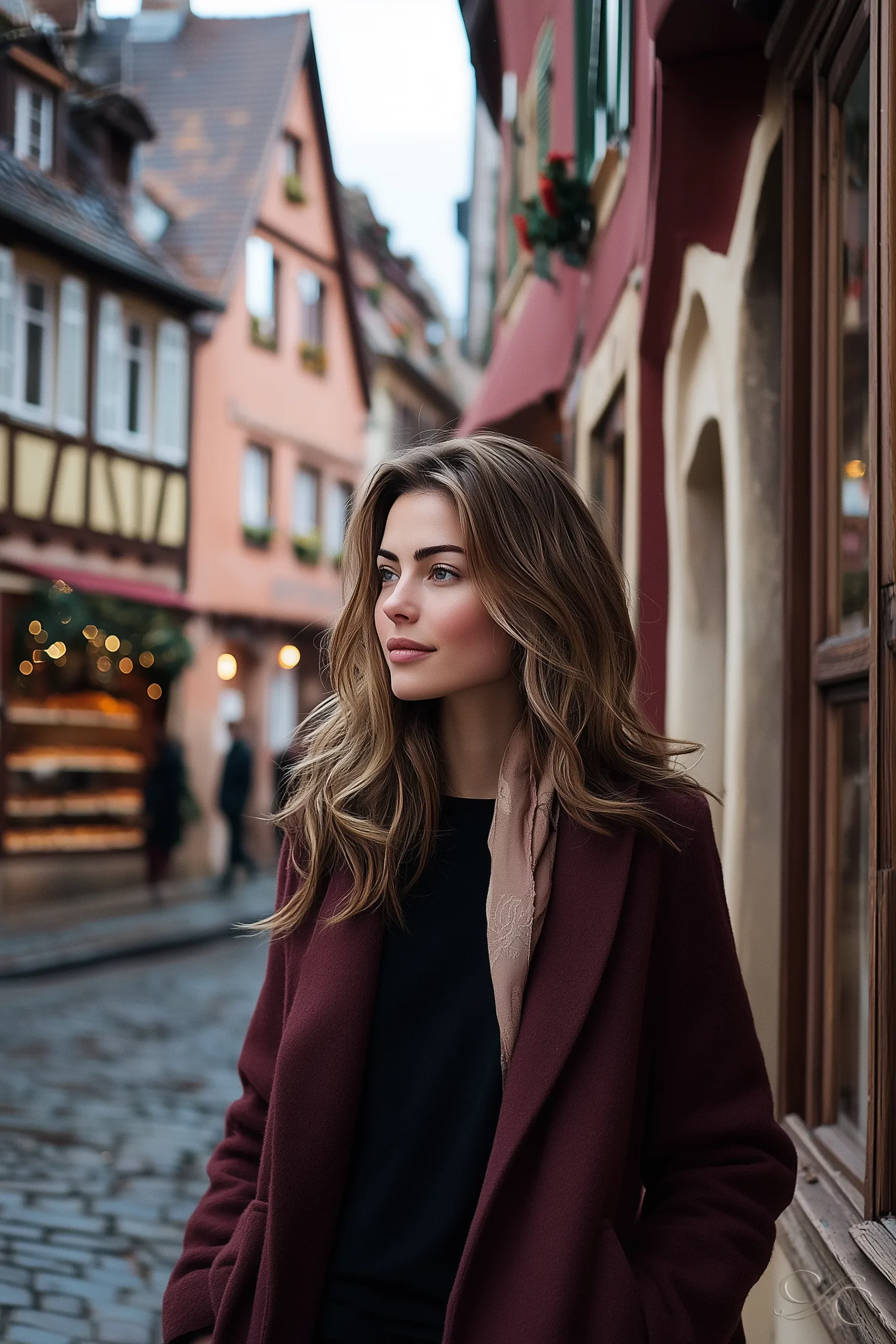
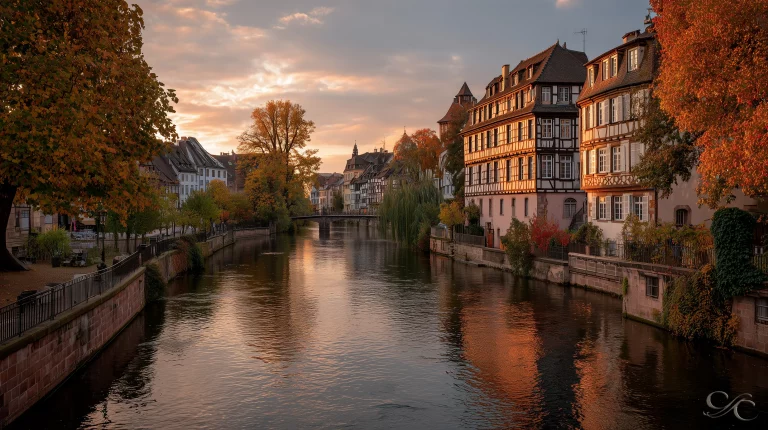
Riquewihr is the village many people picture when they imagine Alsace: colorful façades, compact lanes, and a medieval core that feels almost untouched. It is undeniably photogenic—but it’s also historically important as a fortified wine town that benefited from both viticulture and strategic position.
Places like Riquewihr survived because their walls and gates mattered, and because the surrounding vineyards supported real local wealth. Today it’s carefully preserved, which gives it that “storybook” clarity—but if you look closely, you can still read the older layers: defensive architecture, merchant wealth, and the steady imprint of wine culture.
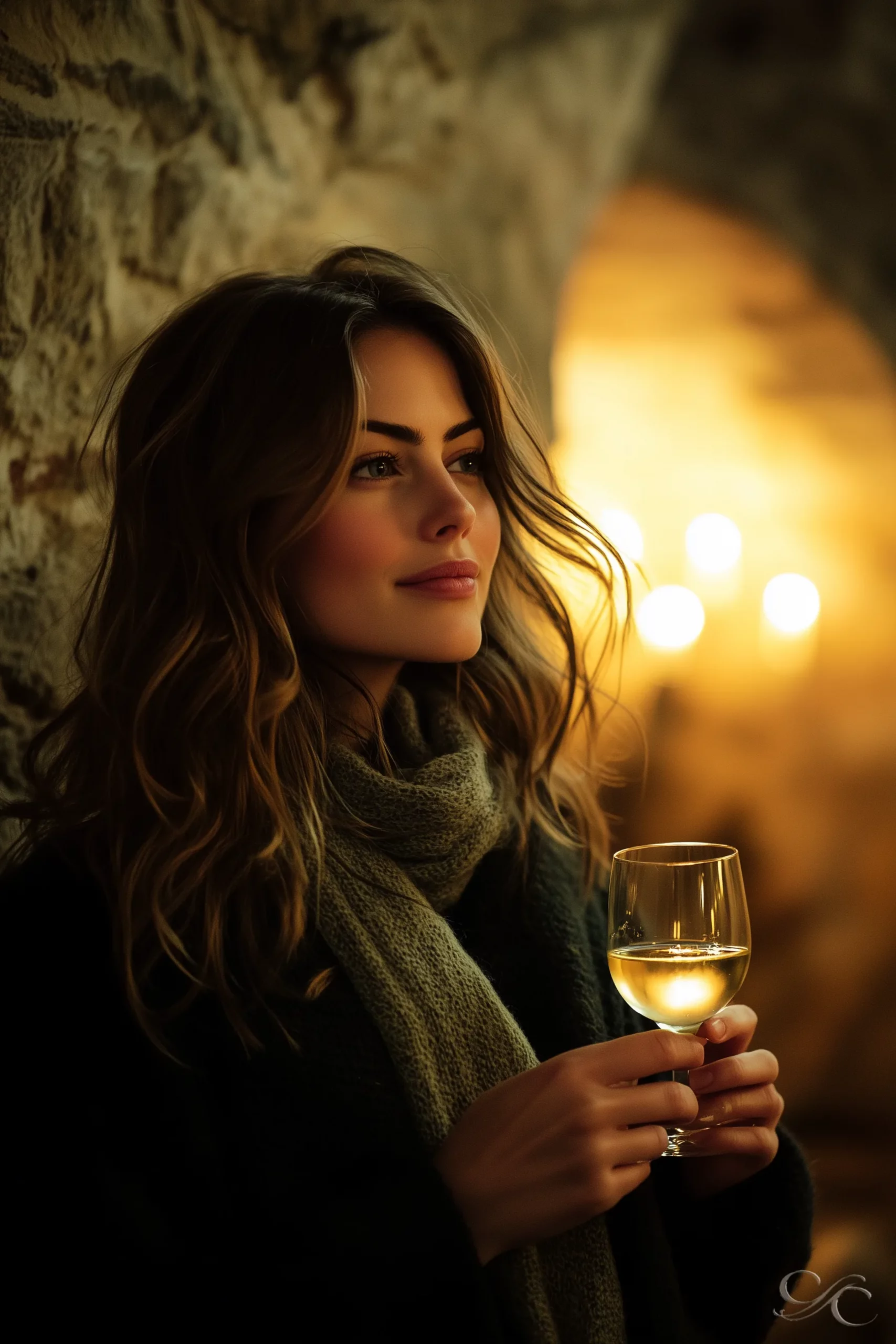
Riquewihr is also an easy place to end a day: warm interior light, stone walls, and the sense that you’ve stepped out of the weather into something timeless. It’s where Alsace feels at its most intimate—especially when the streets quiet down and the tasting rooms soften into candlelit corners.
Wine-wise, this is a great place to lean into Pinot Gris (rounder, richer) or a well-made Gewürztraminer if you want something expressive. If you prefer the clean line of dry whites, Riesling still leads—especially paired with food.
Wines to know in Riquewihr
📘 The Journey Continues
This stretch of the Alsace Wine Route is a perfect example of how close distances can still produce distinct experiences. Ribeauvillé carries the energy of a true wine town—commerce, history, and movement. Hunawihr slows the pace, wrapping you in vineyard scenery and a quieter village rhythm. And Riquewihr, beautifully preserved, turns the region into something almost cinematic—yet still rooted in the practical truth that wine built these towns.
It’s the kind of day where you don’t need many stops—just the right ones, spaced well, with enough time to linger.
Tomorrow, the route continues south again—more small villages, more shifting slopes, and a new set of wine nuances that quietly change what ends up in your glass.
This coming spring, we’ll be releasing a wine and travel guide—starting with Alsace Wine Route, ready for you to use next fall. It’s designed to be practical, beautiful, and easy to follow on the road.
Inside you’ll find:
- Simple, chic outfit formulas for autumn trips
- Small, scenic walks in the regions
- Wine discoveries for the regions visited
- Café & terrace picks with the best morning light
- 2-day and 3-day style-forward itineraries
👉 Join my mailing list to be the first to receive it — plus my bonus Autumn Capsule Packing List.
💬 Need suggestions sooner?
I’m always happy to help.
💬 Chat with Camille for quick tips on wineries, driving routes, or where to book tastings. I’ll tailor suggestions to your dates, pace, and style.
À bientôt,
Camille 🍇✨