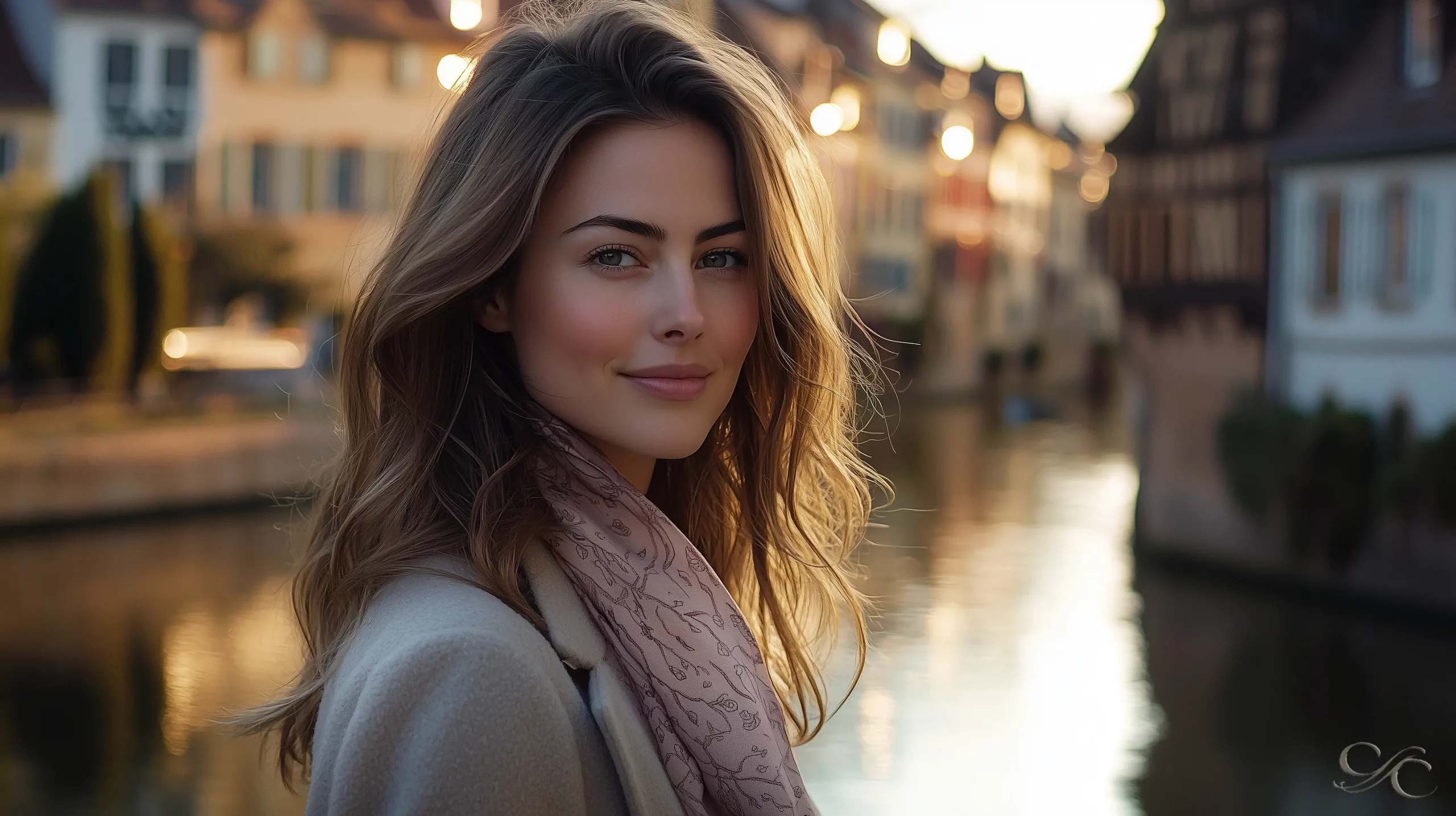
🥂 Alsace Wine Route villages Kaysersberg to Colmar
After leaving Riquewihr, the Alsace Wine Route tightens and refines as it moves south—villages draw closer together, the architecture becomes more ornamental, and the balance between daily life and careful preservation becomes more visible. This stretch carries me through Kaysersberg, Turckheim, Eguisheim, and into Colmar—a sequence that feels less rural and more composed, shaped as much by history and trade as by the modern gaze.
These towns sit only minutes apart, yet each reflects a different answer to the same question: how does a wine region protect its identity once it becomes beloved? Some lean into continuity, others into calm restraint, and a few—like Colmar—embrace their role as cultural centers without losing their sense of place.
Kaysersberg — imperial roots and the wine trade
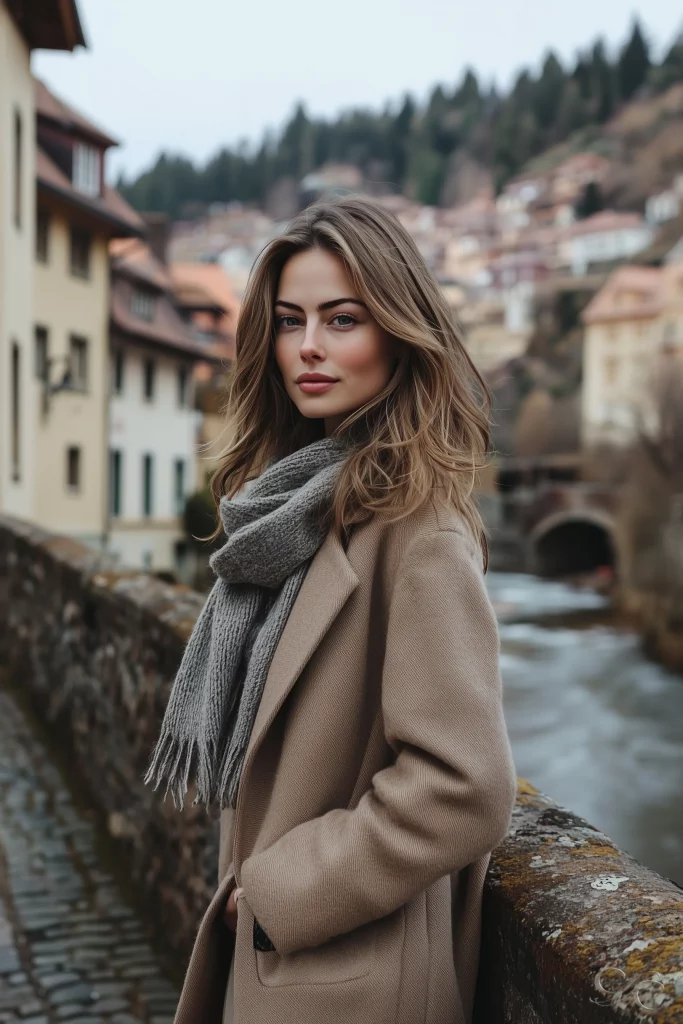
Kaysersberg has long been shaped by movement. In the Middle Ages, it was designated an Imperial Free City, answering directly to the Holy Roman Emperor rather than a local lord. That status gave the town both protection and privilege, allowing it to control trade moving through the valley. Wine played a central role—barrels traveled from hillside vineyards down toward the Rhine, passing over the stone bridge that still anchors the town today.
This position along what would later become the Alsace Wine Route brought steady prosperity and a practical mindset. Kaysersberg was never ornamental by accident; its solid stonework, compact streets, and layered fortifications reflect a place built to endure commerce, weather, and time.
— human stories behind the stone
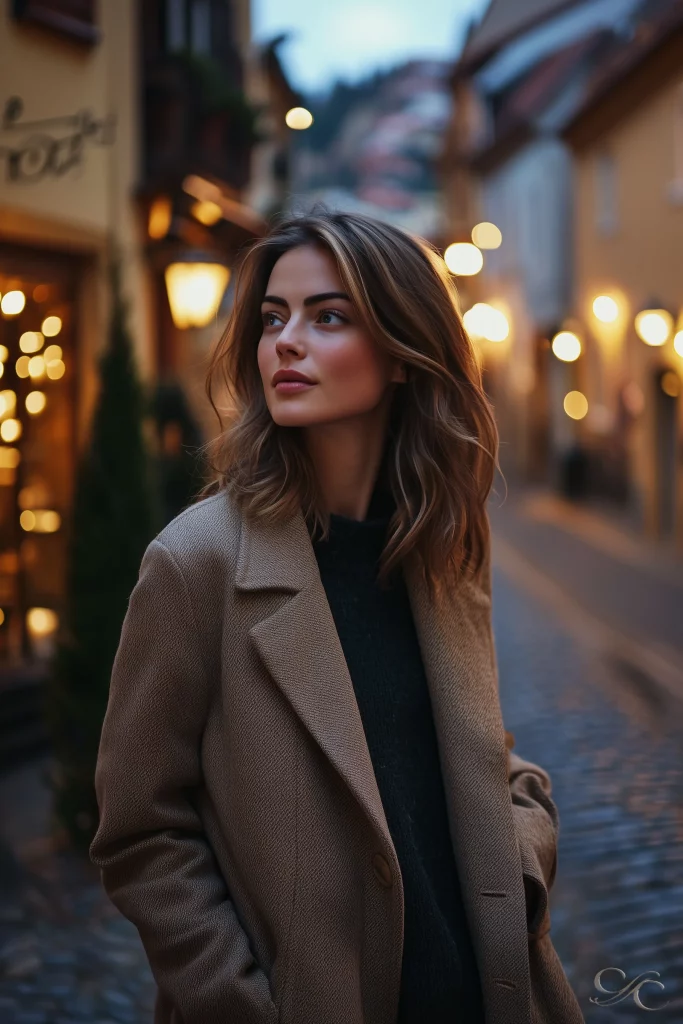
Kaysersberg is best known today for its charm, but one of its most notable figures was born here in 1875: Albert Schweitzer, later a Nobel Peace Prize laureate. His birthplace still stands near the river, a reminder that this small town has quietly shaped ideas far beyond Alsace.
Historically, Kaysersberg’s narrow streets and inward-facing houses were designed for protection as much as beauty. During winter months, residents once moved much of daily life indoors, storing supplies below ground and gathering around hearths as the valley cooled. That sense of enclosure still defines the town today. Even in the evening, Kaysersberg feels inward-looking—lantern-lit, hushed, and deeply rooted in continuity rather than display.
Wines to know in Kaysersberg
Because Kaysersberg sits directly along the valley floor of the Alsace Wine Route, with vineyards climbing steeply into the surrounding hills, the wines here often feel structured, clear, and quietly confident. Historically, this was a trading town—wine moved through Kaysersberg as much as it was grown here, and that practical, table-driven sensibility still shows in the glass.
A simple plan in Kaysersberg
Turckheim — the night watchman tradition
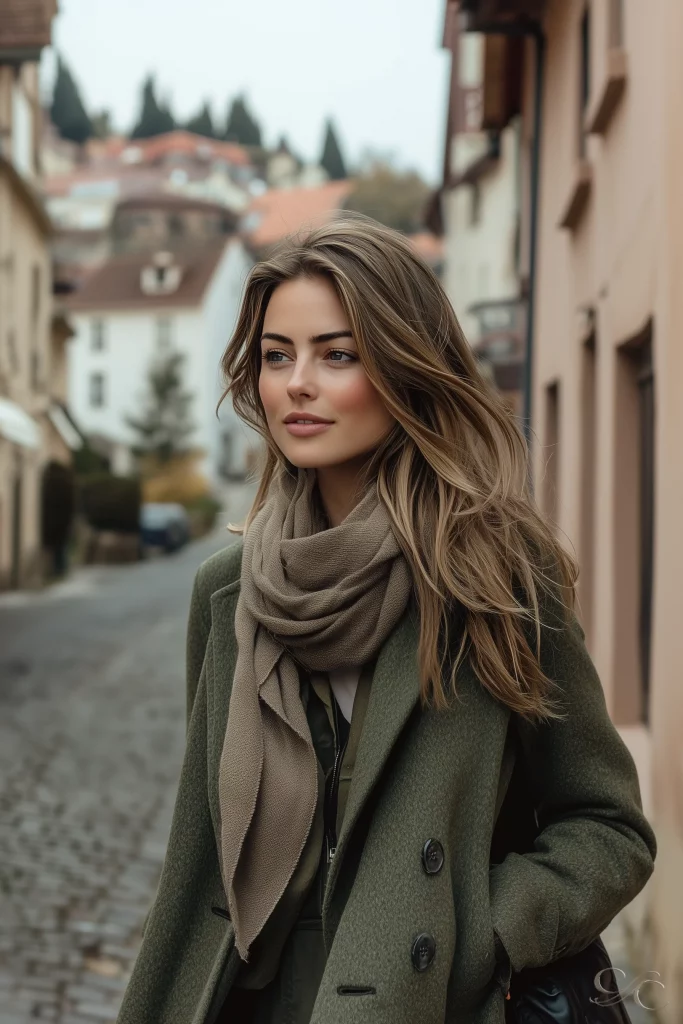
Turckheim is quietly famous for preserving one of Alsace’s oldest living traditions. From May through October, the town still appoints a night watchman, who walks the streets each evening dressed in historical attire, calling out the hours as was done centuries ago. Originally, this ritual served both practical and symbolic purposes—warning of fires, enforcing curfews, and reminding residents that the town was protected.
Even outside the watchman’s season, Turckheim retains that sense of order and continuity. The streets feel residential rather than theatrical, shaped by routine rather than display. It’s a place where daily life has always taken precedence over spectacle, and where traditions endure not because they attract attention, but because they remain meaningful to those who live here.
Wines to know in Turckheim
Turckheim reflects a quieter side of the Alsace Wine Route—a place where wine has long been part of daily life rather than presentation. Historically, Turckheim was known for its guild traditions and working vineyards, and its wines still favor clarity and usefulness over showmanship.
A simple plan in Turckheim
Eguisheim — a village designed in a circle
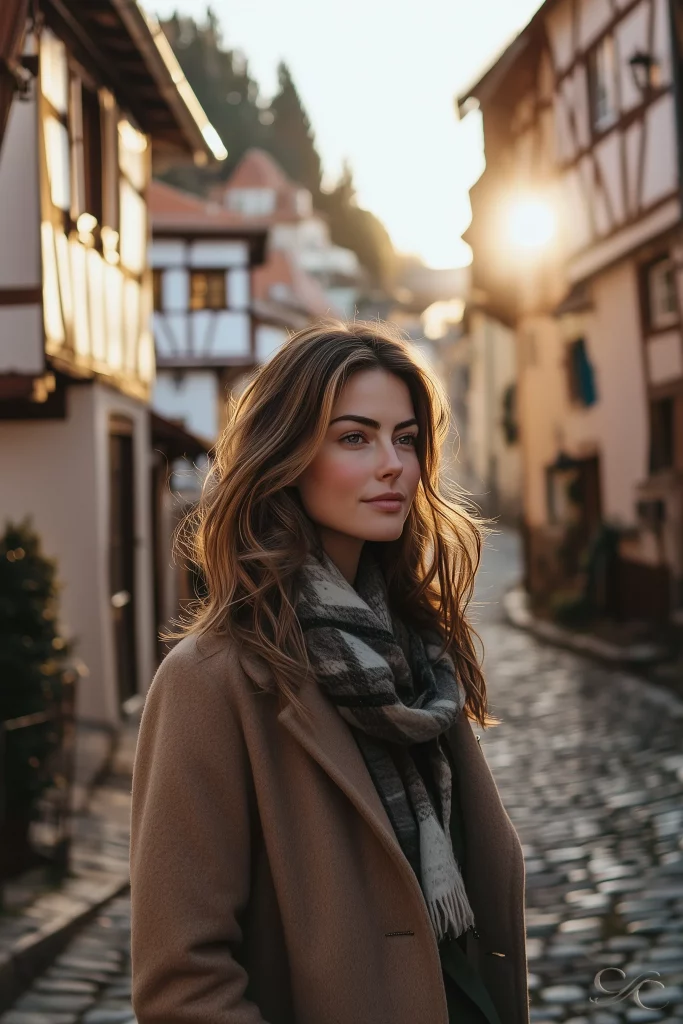
Eguisheim’s distinctive layout is no accident. Unlike most Alsatian villages, its streets form concentric circles, a design that dates back to the Middle Ages when defense and community were inseparable. Homes were built in rings around a central core, allowing residents to protect one another while keeping daily life close and efficient. The structure encouraged cooperation, visibility, and shared responsibility—values that shaped village life for centuries.
Even today, the circular plan influences how Eguisheim feels. Movement slows naturally, paths curve rather than rush forward, and the village reveals itself gradually instead of all at once. What might seem picturesque now was once deeply practical, and that balance between beauty and purpose remains one of Eguisheim’s quiet strengths.
— recognition without display
Eguisheim is internationally recognized, yet it resists spectacle. It is the birthplace of Pope Leo IX, one of the few popes to come from this region, and has long held symbolic importance within Alsace. Still, the village has never reorganized itself around fame. Life continues inward, oriented toward courtyards, doorways, and familiar routes rather than grand gestures.
As evening settles, this restraint becomes especially clear. Light softens against timbered façades, footsteps fade, and the outer ring grows quiet. Step just beyond the main circuit and the atmosphere shifts—less observed, more lived-in. Eguisheim feels most authentic in these moments, when recognition recedes and the village returns to itself.
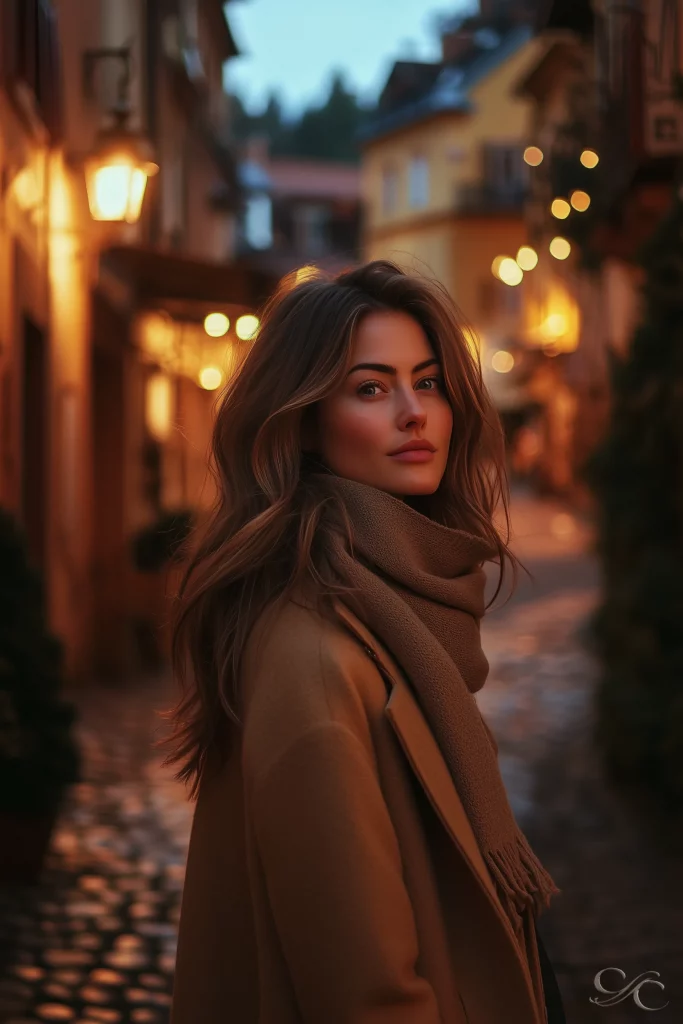
Wines to know in Eguisheim
Eguisheim sits just off the main flow of the Alsace Wine Route, yet it holds some of the region’s most historically prized vineyard sites. Its circular village plan dates back to the Middle Ages, and many of the surrounding slopes have been cultivated for centuries—often producing wines that lean aromatic but remain balanced.
A simple plan in Eguisheim
Colmar — canals, commerce, and a city shaped by trade
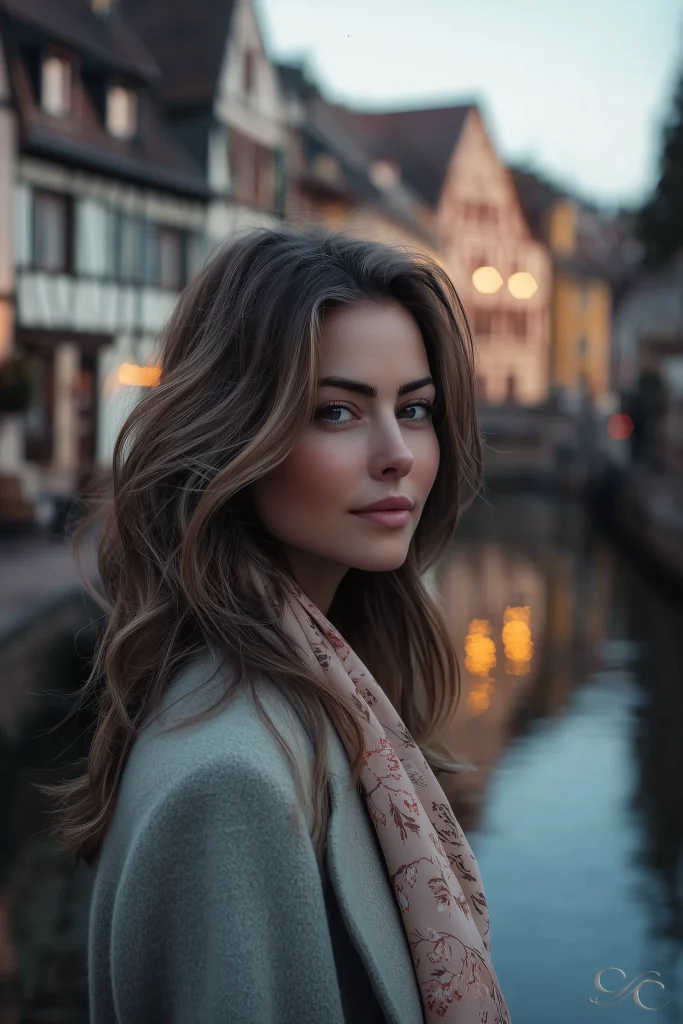
Colmar has long functioned as a crossroads rather than a village. From the Middle Ages onward, it served as a commercial hub where wine, grain, textiles, and timber moved through canals linking the Lauch River to wider trade networks. Those waterways weren’t decorative—they were working infrastructure, shaping both the city’s prosperity and its architecture. Half-timbered houses line the canals not for romance, but because merchants once lived directly above their goods.
This role as a trading center gave Colmar a broader outlook than many Alsatian towns. It learned early how to welcome outsiders while maintaining local identity, a balance that still defines the city today. Colmar feels practiced at hospitality—not performative, just comfortable with visitors passing through.
— winter light and the art of gathering
Colmar’s relationship with visitors becomes most visible in winter. The city is home to one of Alsace’s most celebrated Christmas markets, distinguished by its intimate scale rather than spectacle. Instead of a single grand square, several smaller markets unfold across the old town, tucked between canals, churches, and medieval courtyards.
As evening settles, that tradition of gathering takes over. Lights soften façades, candles glow along the water, and movement slows into conversation. Even outside the holiday season, Colmar carries that same instinct—bringing people together gently, without excess. It’s why the city feels like a natural conclusion along the Alsace Wine Route: not an ending, but a pause meant to be shared.
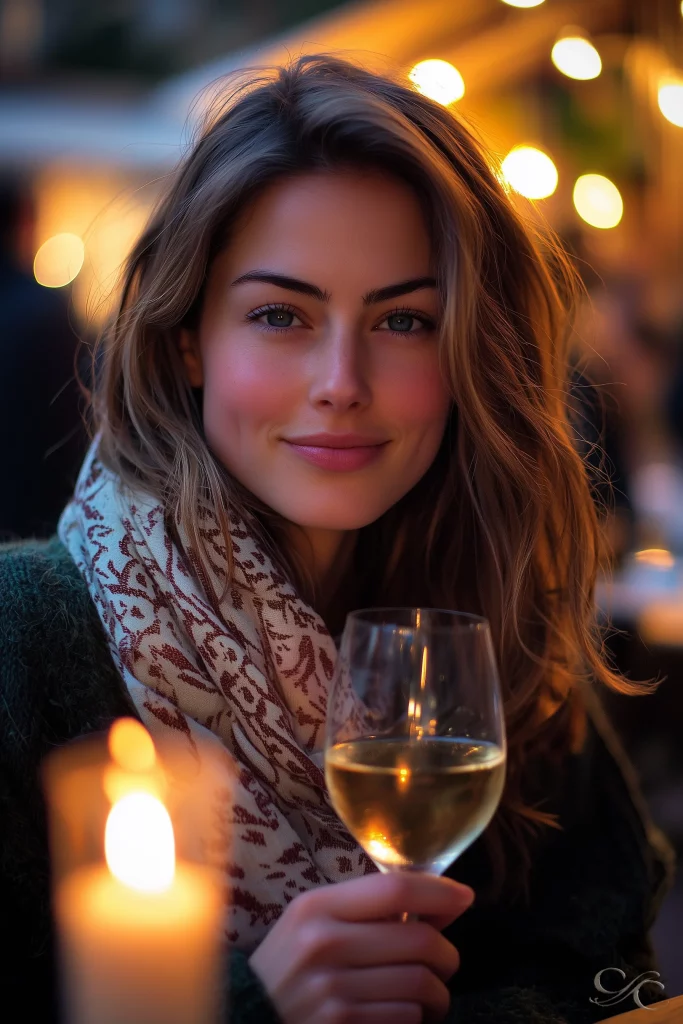
Wines to know in Colmar
Colmar acts as a natural gathering point along the Alsace Wine Route, bringing together wines from surrounding villages rather than asserting a single style of its own. Historically a center of commerce and culture, Colmar is best approached as a place to revisit favorites and slow the pace rather than seek novelty.
A simple plan in Colmar
📘 The Journey Continues
This stretch of the Alsace Wine Route felt quietly complete—villages shaped by trade, preservation, and an unspoken rhythm that rewards slowing down. Each town offered something distinct, yet together they formed a seamless progression, moving gently from motion toward stillness.
With winter settling in, it’s time to return to Paris, where the year draws to a close in a very different way. New light, new rituals, and the familiar anticipation of New Year’s Eve.
Inspired to go yourself? You can 💬 Chat with Camille on the site for travel and style ideas — hotels, dining, and what to pack.
À bientôt,
Camille 🍇✨