Verona — Light, Stone, and Slow Conversation
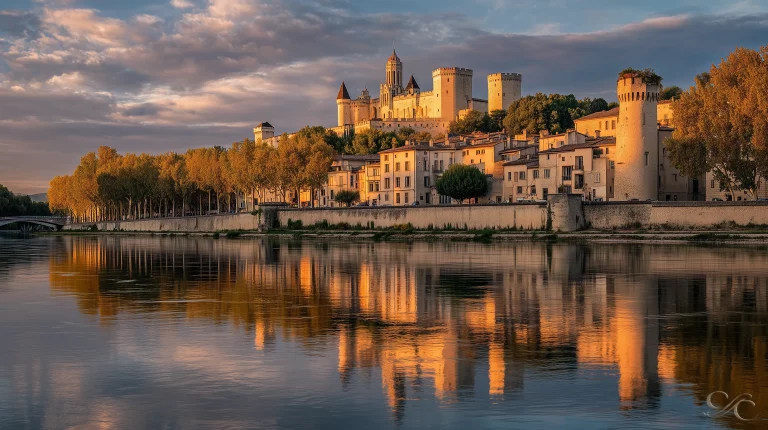
Verona is a city you don’t rush. You arrive, you lift your eyes, and the space around you feels open and deliberate. Built on Roman foundations and shaped over centuries of trade and civic life, it moves with a steadier rhythm than Venice. There are broad piazzas instead of canals, open sky instead of narrow corridors, and a warmth that makes lingering feel natural.
The landmarks are unmistakable — the Arena rising from Piazza Bra, the sweep of pale stone catching late morning light, Juliet’s balcony tucked within medieval walls. But what stays with you are the smaller moments: an espresso taken at a café table near the square, conversation drifting between tables, the sense that daily life continues whether you are watching or not. Verona does not stage itself. It simply unfolds.
For this stay, I chose to experience the city as it is lived each day — walking across the piazza without urgency, sitting long enough for a second cup of coffee, letting conversation extend without checking the time. Verona rewards that kind of attention. It always has.
Verona — Arrival Day
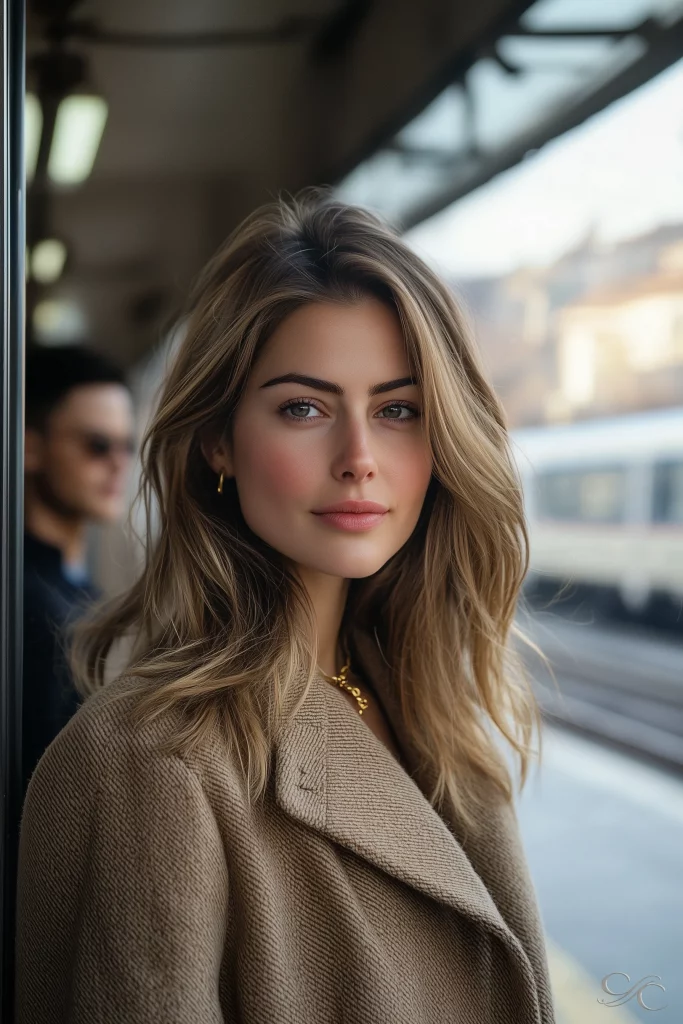
Arrival in Verona is direct. The train pulls into Verona Porta Nuova, doors open, and within minutes you are moving toward the center. There is no gradual reveal. The city begins in motion.
Arrival in Verona is direct. The train pulls into Verona Porta Nuova, doors open, and within minutes you are moving toward the center. There is no gradual reveal. The city begins in motion.
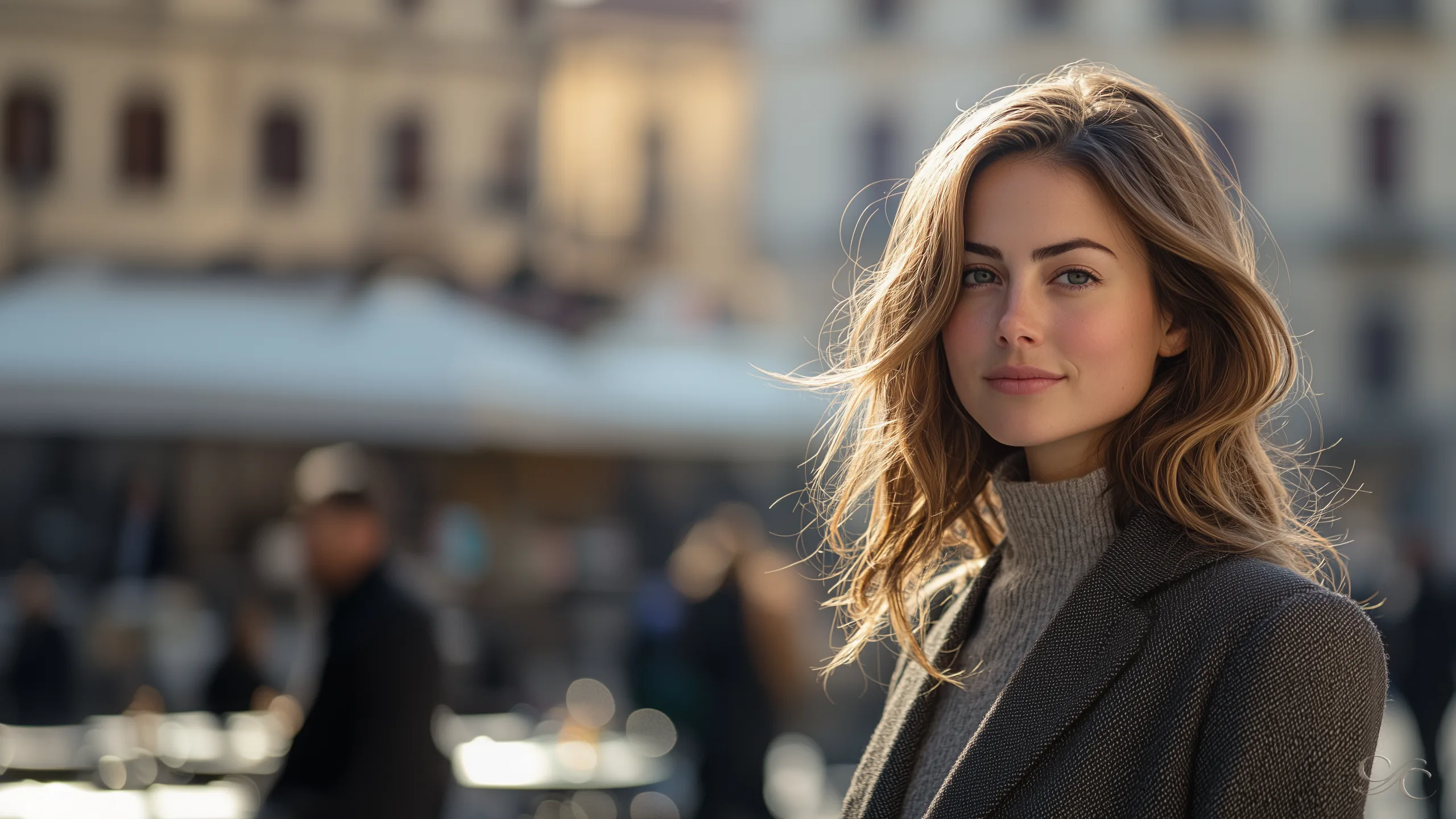
At the station, there is the quiet choreography most people never see — camera straps adjusted, a sleeve smoothed, a quick check of light before stepping forward. Travel looks effortless in photographs, but it is always structured just outside the frame. Verona, practical and efficient, feels like the right place to begin.

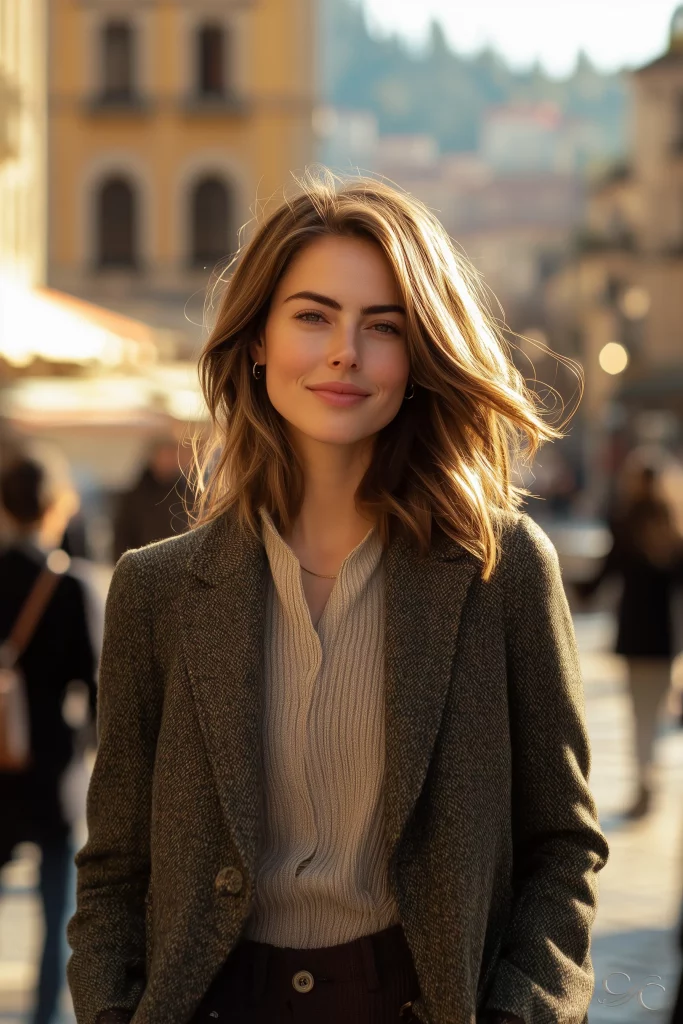
From there, we walk toward Piazza Bra. The scale shifts almost immediately. The space opens, and the Arena rises without warning — not behind gates or distance, but fully present in the square. Built in the first century, it still anchors daily life. Children cross the piazza. Café tables fill. The amphitheater stands as part of the present rather than apart from it.
— special note: The Arena in daylight
The Verona Arena is often associated with evening opera performances, but in daylight it feels different — less theatrical, more structural. You see the stone clearly. You notice its proportion. It reads less as spectacle and more as continuity.
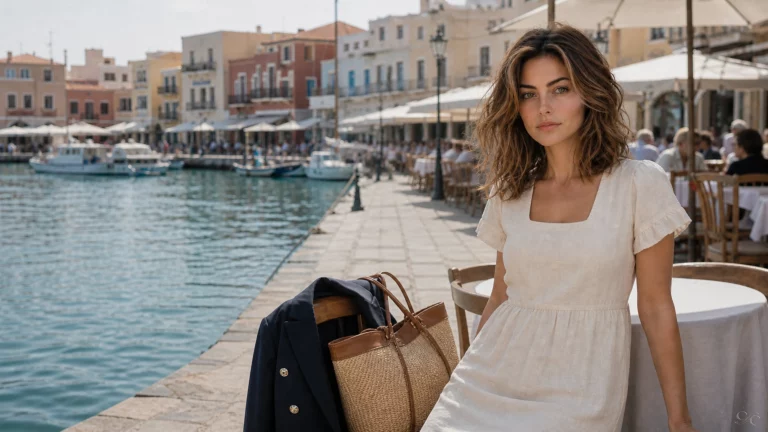
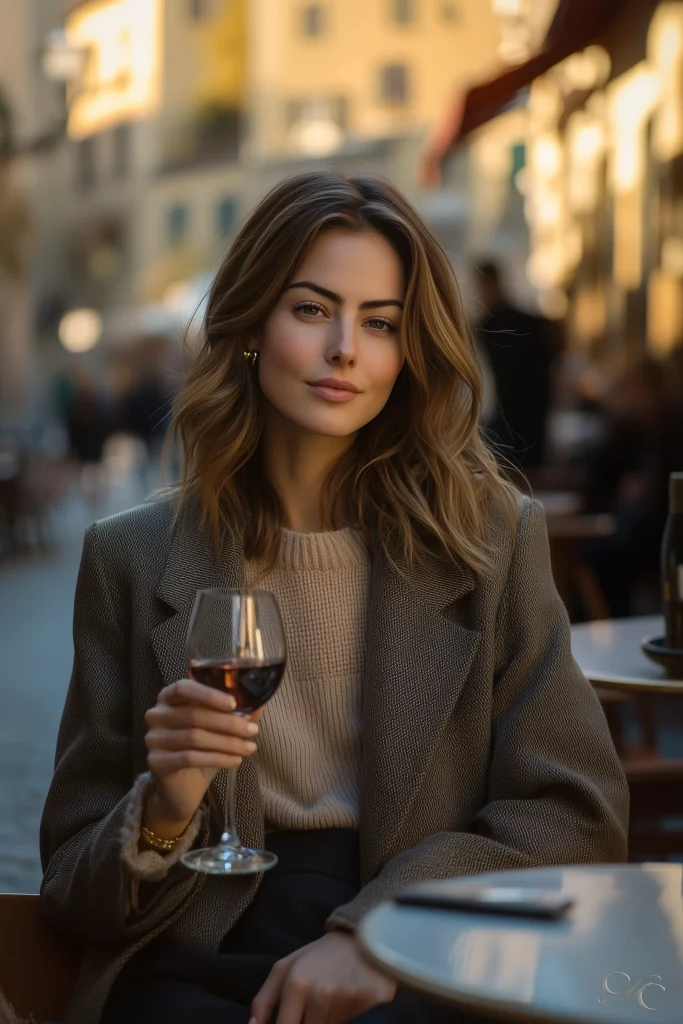
By late afternoon, we settle at an outdoor wine café near the square. A glass of Valpolicella arrives — bright, balanced, uncomplicated. Around us, conversation moves easily between tables. No one rushes. No one signals that it’s time to leave.
Around us, conversations overlapped gently between tables. There was no rush to order again, no subtle signal that the seat was needed for someone else. Verona rewards those who remain seated a little longer than planned. It invites pause without demanding it.
Verona — Coffee and Continuation
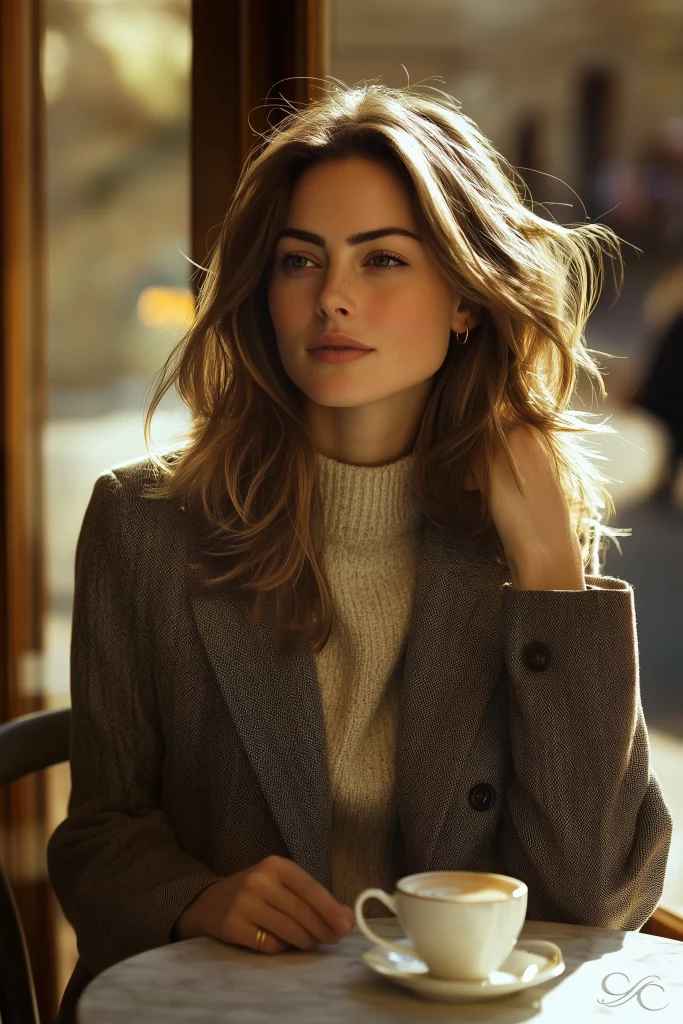
Morning in Verona begins simply. The light reaches the café tables early, moving across marble and stone before the square fully fills. Espresso arrives quickly. A plate of biscuits rests beside it. The rhythm feels established rather than performed.
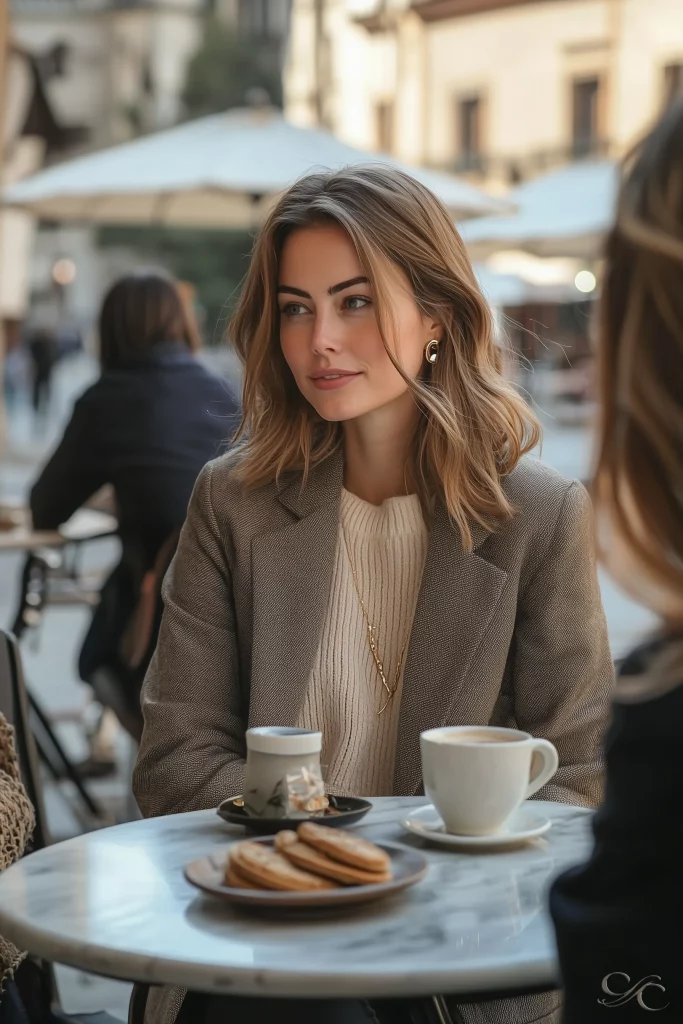
Sitting at the table, you notice how close daily life is to everything here. The Arena stands only steps away, but it doesn’t dominate the morning. Locals greet one another. Chairs shift. The square fills gradually, not all at once.
— special note: Verona’s scale
Verona was built with proportion in mind. Roman planning, medieval reinforcement, Renaissance façades — each layer respected the one before it. The result is balance. Even the largest monument fits the square without overwhelming it.
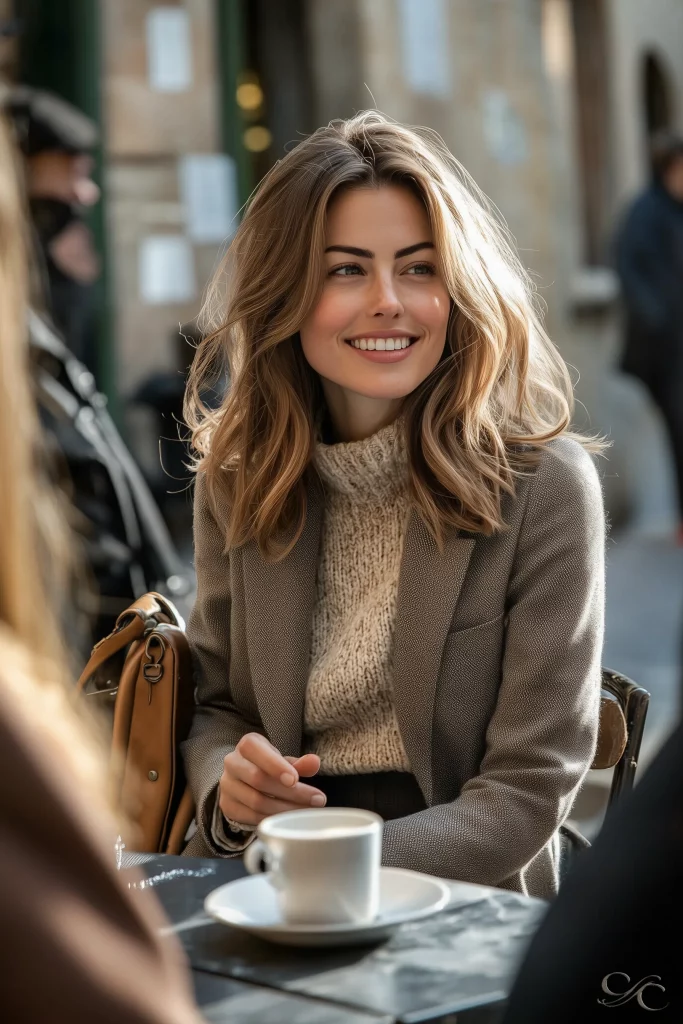
By afternoon, the pace softens further. Coffee becomes conversation. You begin to recognize faces from the morning. The light warms, and the square feels less like a landmark and more like a neighborhood.
— special note: Coffee arrives inland
Verona does not require a schedule. It rewards repetition — Coffee reached Venice in the early 1600s through maritime trade with the Ottoman Empire. From there, it moved inland across the Veneto during the late 17th and early 18th centuries. Verona adopted the ritual later than Venice, but it embraced it fully. By the 18th century, coffeehouses were established gathering places across northern Italy.
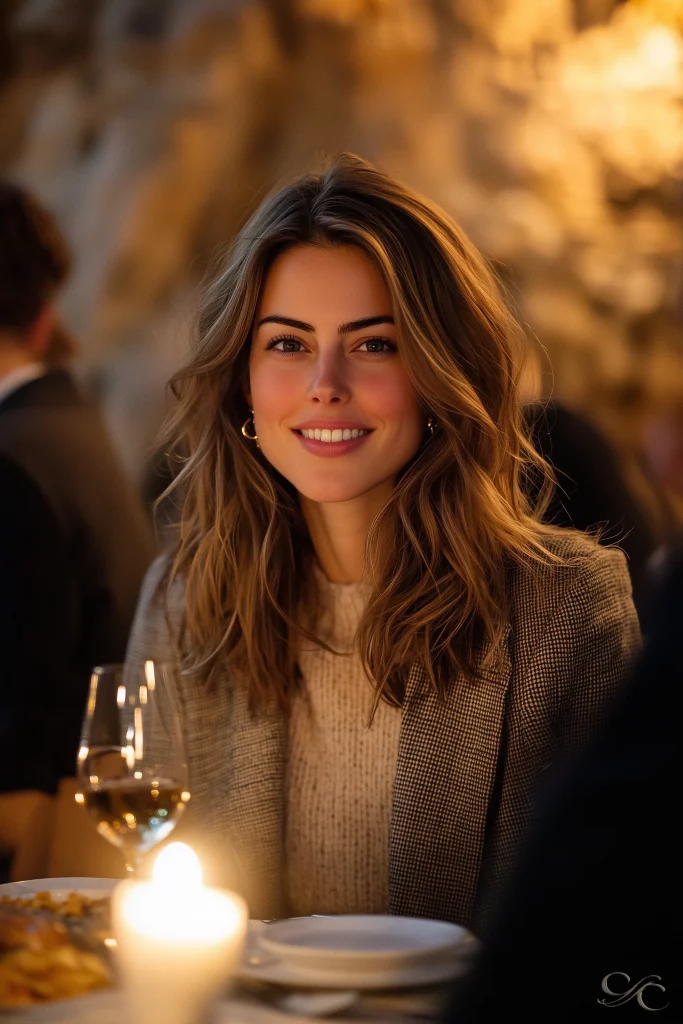
In the evening, we move to a small trattoria near the historic center. Candlelight replaces sun. Glassware reflects against stone walls. A bottle from the Valpolicella hills appears on the table.
The menu focuses on local dishes. Bigoli with duck ragù is common in Verona — thick pasta with a slow-cooked meat sauce. You’ll often see risotto all’Amarone, made with the region’s well-known red wine. In colder months, pastissada de caval, a traditional braised meat stew, appears on many menus. Polenta is served soft or grilled alongside most mains.
The food is regional, straightforward, and tied closely to the surrounding hills.
Departure North
The final morning in Verona begins the same way as the others — coffee, light across the table, the square gradually filling. The difference is not in the setting, but in the awareness that the stay is ending.
The marble café table feels familiar now. The routine requires no explanation. Verona’s rhythm has already been learned — not through landmarks, but through repetition.
— special note: A city accustomed to departures
For centuries, Verona has served as a passage between the Veneto plain and the Alpine passes. Roman roads once carried trade north. Today, trains follow a similar path. The direction remains consistent even as the purpose changes.
Boarding the train does not feel abrupt. Verona releases you the way it welcomed you — without ceremony.
The journey north to Cortina d’Ampezzo takes a little over three hours, with at least one connection. At first the countryside is flat and familiar: fields, small towns, and irrigation channels passing by the window. As you travel, the terrain slowly rises and green gives way to stone and forest. The further you go, the more the scale of the landscape changes, until the valleys narrow and the mountains become the dominant feature
Gradually, the terrain begins to rise. Vineyards appear along gentle slopes. Church towers stand closer to the foothills. After Treviso and Belluno, the mountains become unmistakable. The train curves through narrower valleys, following rivers that cut between rock and forest.
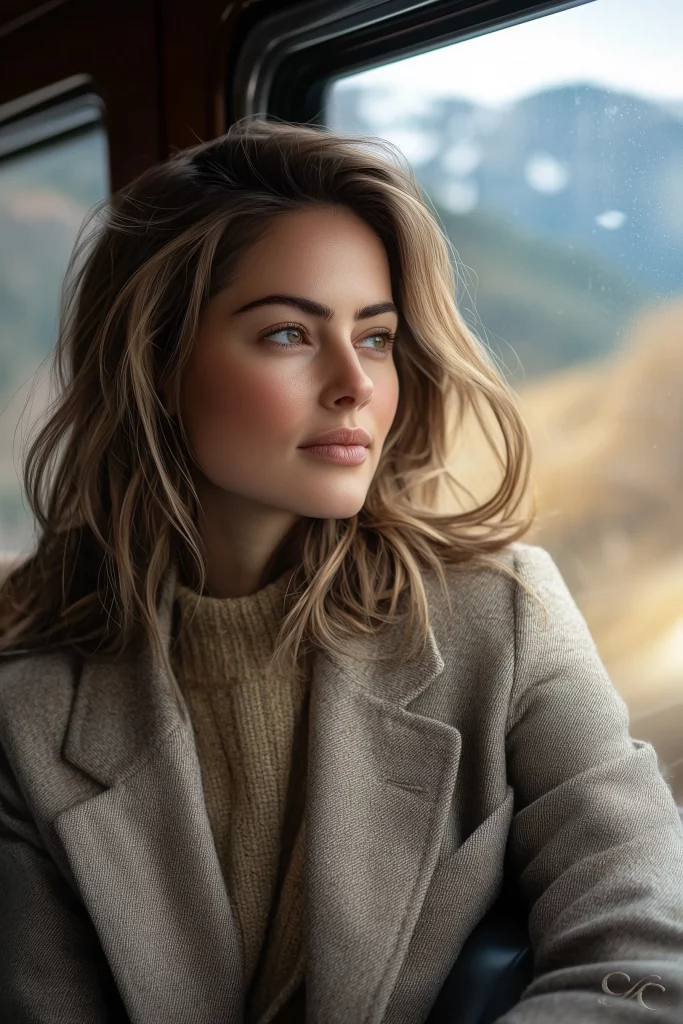
Inside the car, the light changes. It reflects differently off the window glass. Snow begins to appear at higher elevations in colder months. Peaks move from distant outline to dominant presence.
By the final stretch, the landscape feels entirely alpine — steeper, quieter, more vertical. The plains are behind you. The Dolomites are ahead.
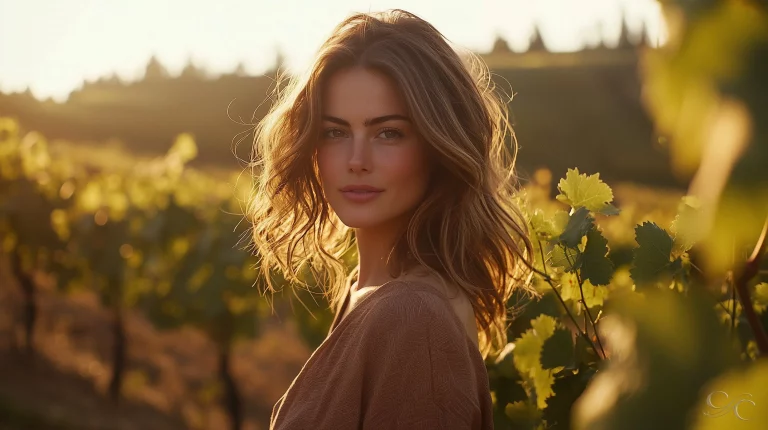
Wines to know in Verona
📘 The Journey Continues — Cortina d’Ampezzo
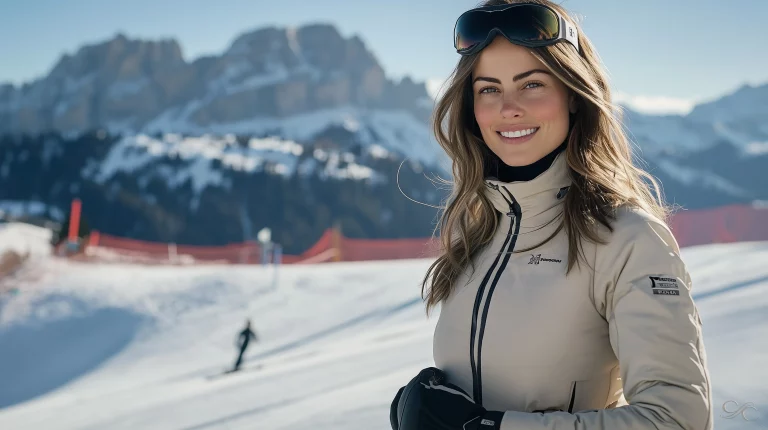
Cortina d’Ampezzo is one of Italy’s most iconic alpine towns — known locally as the “Queen of the Dolomites” for its dramatic peaks and wide range of winter sports activities. It first hosted the Winter Olympics in 1956, marking Italy’s debut on the world stage of winter competition, and many of its ski trails and venues still reflect that legacy today. Cortina is again part of Olympic history as co-host of the 2026 Winter Games alongside Milan, where sledding events and women’s alpine skiing will take place.
Inspired to go yourself? You can 💬 Chat with Camille on the site for travel and style ideas — hotels, dining, and what to pack.
À bientôt,
Camille ☕✨