Algarve, Portugal — Light, Salt Air, and the Shape of the Coast
The rhythm shifts here. In Portugal’s Algarve, after the stillness of the mountains, the Algarve feels softer, carried by light and the steady presence of the sea — a contrast to my time in Cortina.
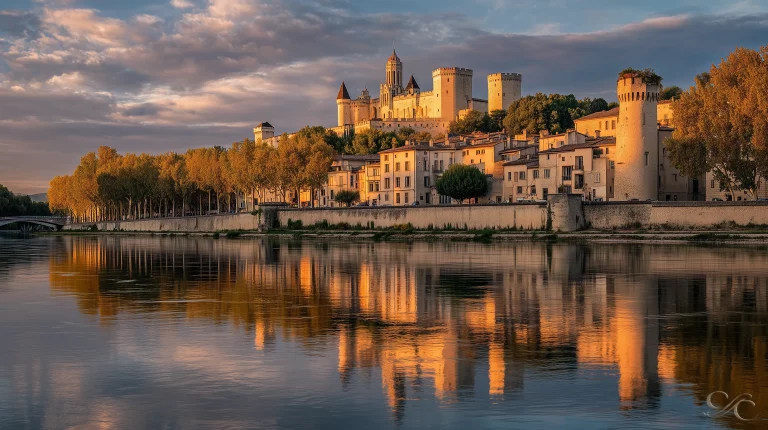
The light changes quickly in the Algarve. It arrives softly over whitewashed walls in Faro, brightens along the coast in Lagos, and settles into something quieter again in the eastern towns like Tavira.
This stretch of southern Portugal is less about a single destination and more about movement—following the coastline, pausing where the cliffs fall away into the Atlantic, and letting the day unfold somewhere between sea air and stone streets.
✈️ Arrival — Faro
Most journeys into the Algarve begin in Faro, a small coastal city that serves as the region’s gateway. Faro Airport is compact and easy to navigate, and within minutes of arrival, the landscape shifts—palm-lined streets, low white buildings, and a softer, warmer light than most of Europe.
The historic center, known as Cidade Velha, sits behind old stone walls and opens into quiet squares, tiled façades, and shaded walkways. It’s a place that invites a slower first afternoon—coffee, a short walk, and the feeling of having arrived somewhere distinct.

From Faro, the Algarve stretches both east and west. Most travelers continue toward Lagos and the dramatic coastline, while Tavira offers a quieter, more traditional rhythm further along.
🏨 Where to Stay — Coastal Calm and Quiet Interiors

Accommodation in the Algarve reflects the landscape itself—clean, understated, and designed around light.
In Lagos and along the western coast, boutique hotels and small resorts often sit just above the water, offering easy access to beaches and coastal paths. Interiors tend toward natural materials—linen, stone, pale woods—creating spaces that feel open and relaxed rather than overly styled.
Further east, in places like Tavira, smaller guesthouses and restored townhomes offer a more intimate experience. Here, mornings begin with open windows and quiet streets rather
than the sound of the ocean.
Choosing where to stay often comes down to pace:
the west for movement and coastline, the east for stillness and town life.
If I had to choose, I would return to Casa Mãe— a beautifully restored boutique hotel in the old town with chic rooms, a lush courtyard, and an excellent farm-to-table restaurant; it feels intimate and effortlessly stylish. If you prefer to wake up to the sea, Porto Mós Hotel (near Praia do Porto de Mós) is my quick alternative for a breezy beachfront stay. Even a little spring rain only makes the courtyard feel cozier — très chic.
🌊 Along the Coast— Ponta da Piedade
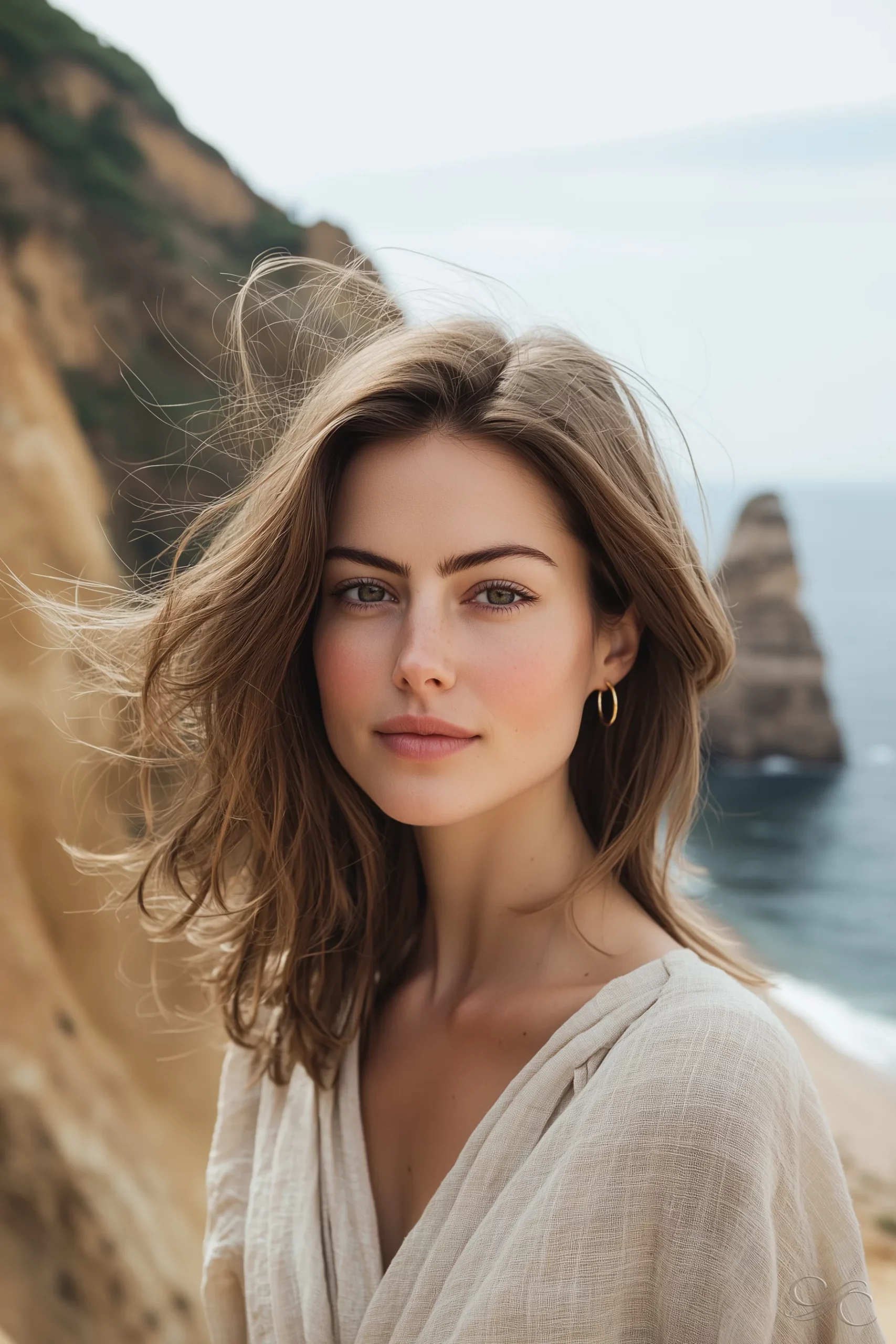
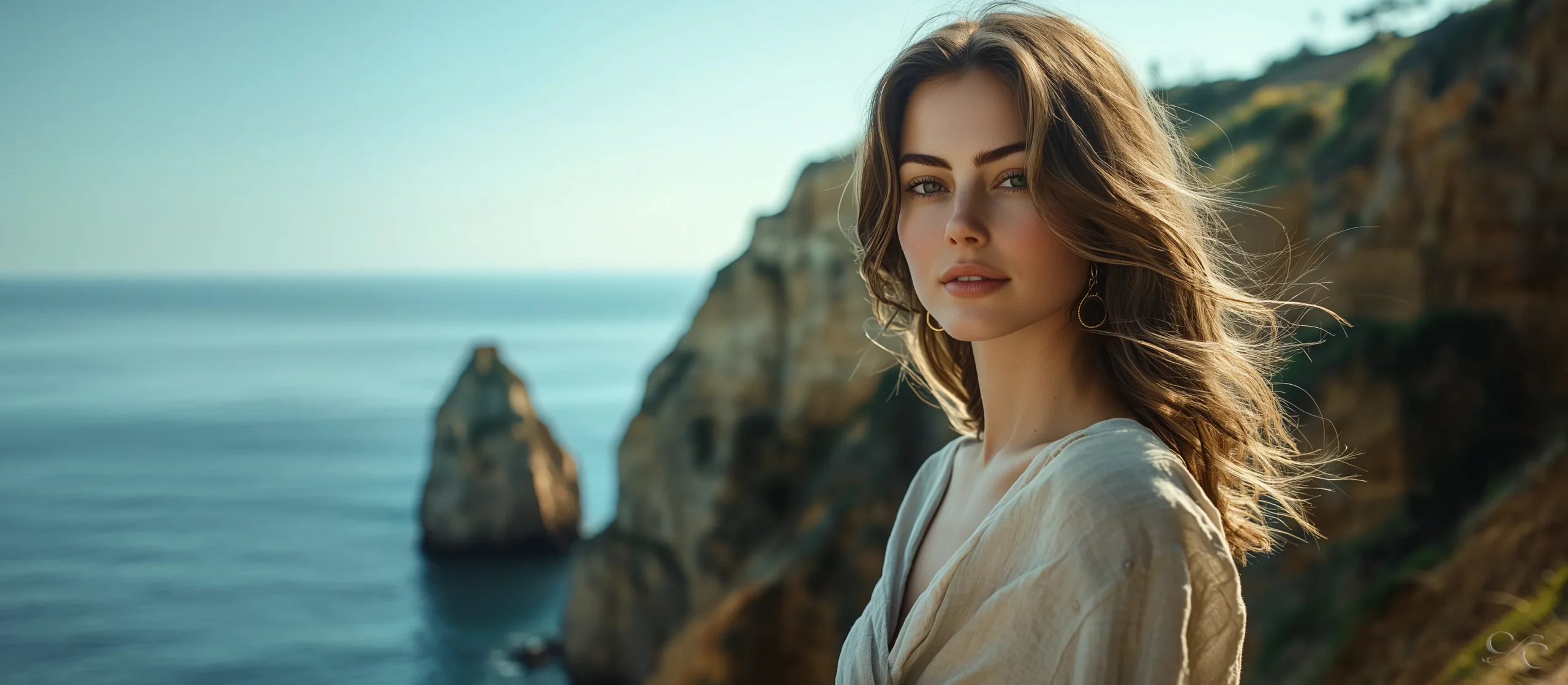
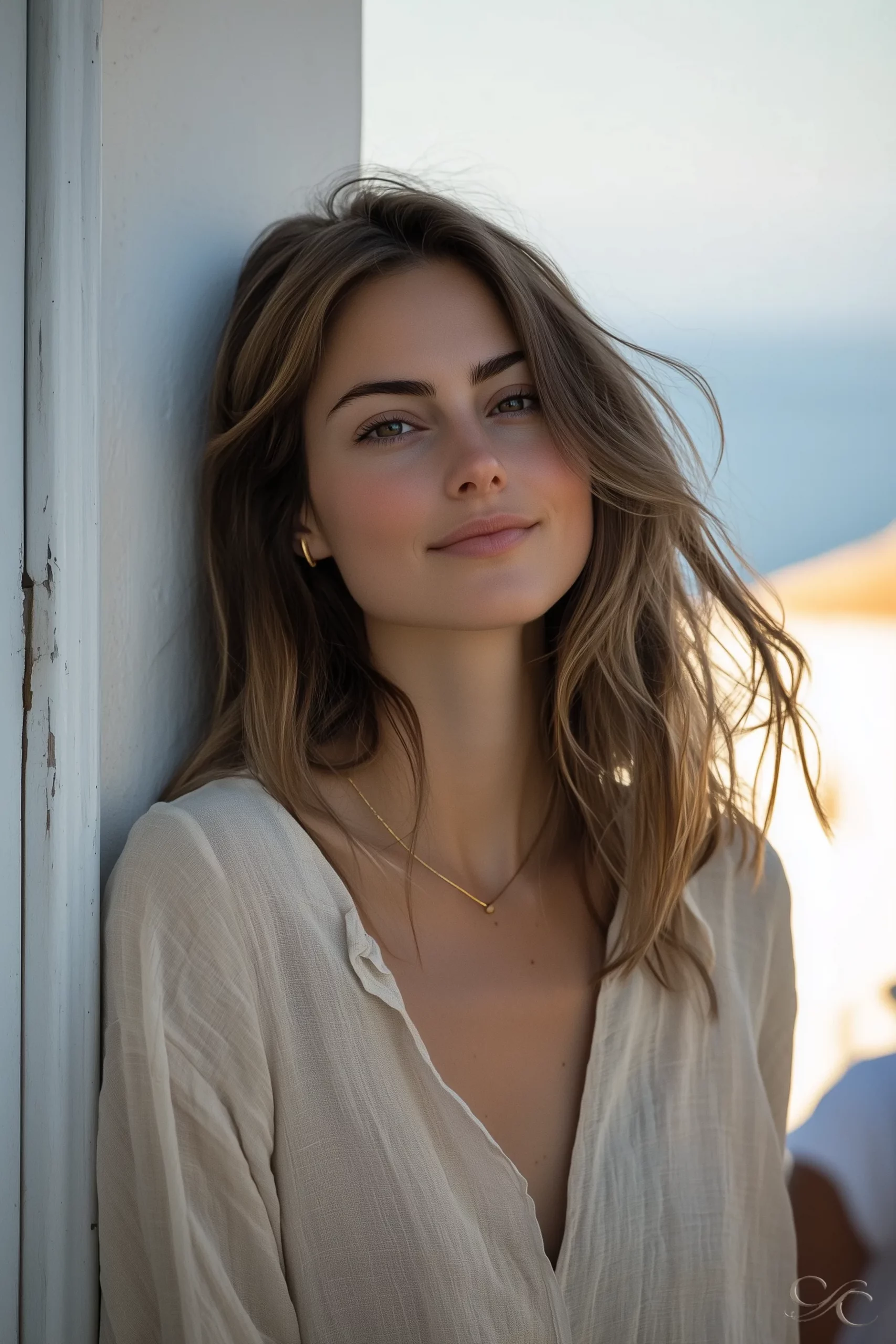
Near Lagos, the coastline becomes more dramatic. Ponta da Piedade is one of the most recognizable stretches, where golden limestone cliffs rise above the Atlantic and narrow paths trace the edge of the sea.
The formations here have been shaped by wind and water over centuries—arches, pillars, and hidden coves that shift in color throughout the day. Early morning and late afternoon bring the best light, when the cliffs take on warmer tones and the water softens to a deeper blue.
There are stairways leading down to smaller beaches, but. even from above, the views are enough to hold you for a while.
It’s less about activity and more about perspective—standing still and watching how the coastline changes with the light and the breeze from the salt air.
A light linen dress moves easily in the breeze, something I’ve been reaching for often lately—pieces like this from Sandro feel effortless along the coast.
🍷 Afternoons by the Water — Lagos
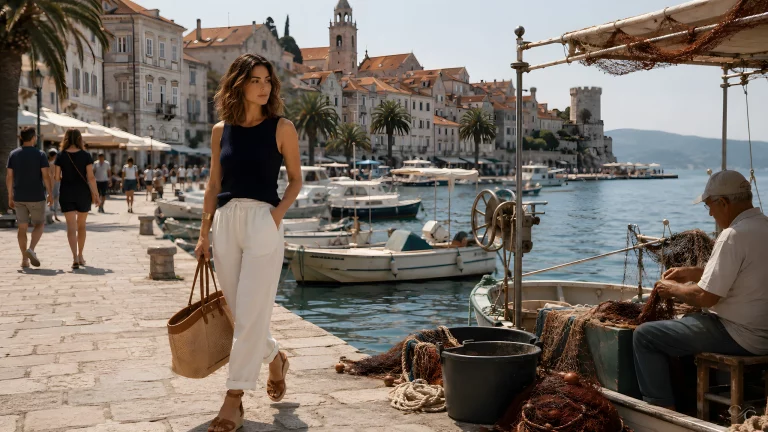
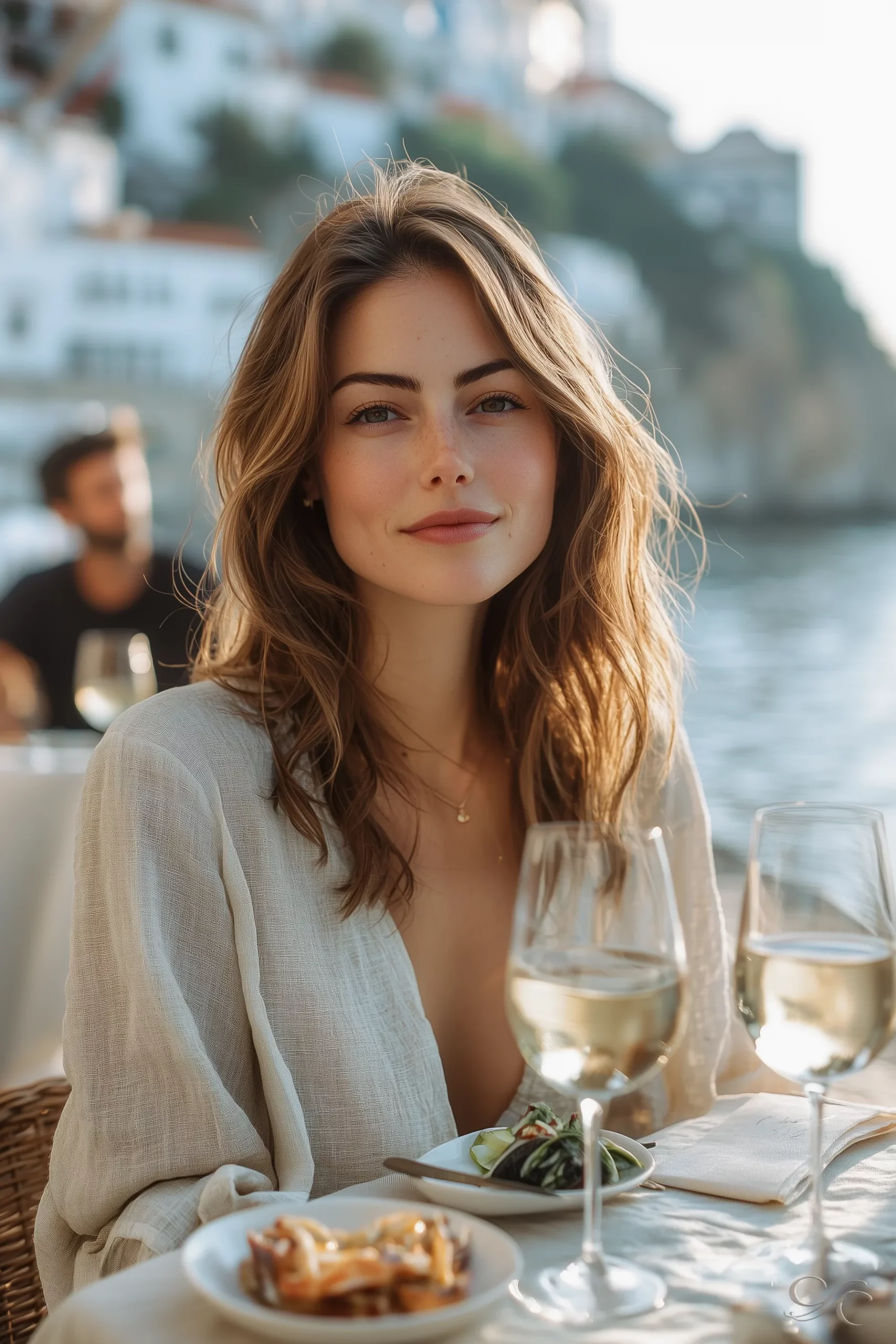
Back in Lagos, the pace shifts again. The town’s waterfront is lined with cafés and restaurants that open outward toward the marina, reminding me of Menton, where long lunches tend to stretch easily into the afternoon.
Seafood defines most menus—grilled fish, octopus, clams with garlic and white wine—paired with crisp Portuguese whites or a chilled vinho verde. Meals are rarely rushed, and the atmosphere is relaxed without feeling informal.
It’s here that the Algarve feels most social—sunlight reflecting off the water, conversations carrying between tables, and the sense that the day doesn’t need to be structured too tightly.
🌿 Tavira — A Slower Ending
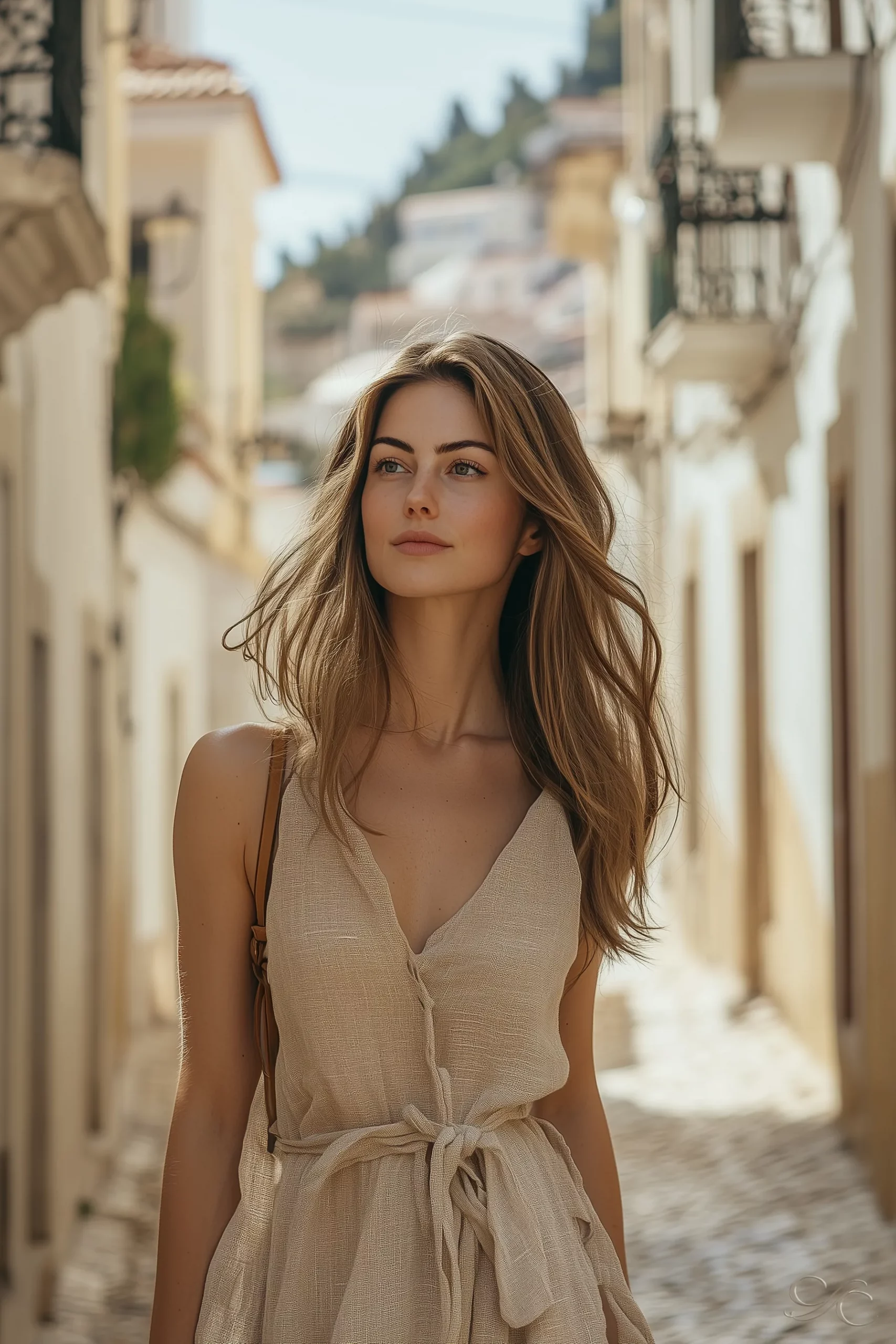
Tavira offers a different view of the Algarve. Set along the Gilão River, it feels quieter and more rooted in tradition than the coastal towns to the west.
The streets are narrow and softly worn, lined with white buildings and occasional bursts of color from tiled details or small gardens. Roman bridges, old churches, and shaded plazas create a rhythm that encourages wandering without direction.
There are beaches here as well—reached by a short ferry ride—but the town itself is often enough. It’s a place to end the journey, where the coastline gives way to something calmer and more reflective..
🍷 Wines to Try in the Algarve
The Algarve isn’t as internationally known for wine as regions like the Douro or Alentejo, but that’s part of its charm. The wines here are local, approachable, and designed for long afternoons by the sea.
Whites tend to shine, especially in warmer weather—fresh, mineral, and slightly saline from the coastal influence.
For something a bit more expressive:
Reds are lighter than you might expect, which suits the climate:
And of course, for a simple, effortless choice:
If you’re looking for something local and easy to find, producers like Quinta dos Vales (Lagoa DOC) offer excellent expressions of Algarve whites—often built around Arinto and Roupeiro, with a bright, lightly saline character that pairs beautifully with seafood.
For reds, keep it regional and relaxed: a Castelão or Negra Mole blend is typically lighter, softly spiced, and well suited to simple dishes or shared plates at the end of the day.
My Notes
📘 The Journey Continues
From the Algarve, the rhythm shifts again—sometimes back toward cities, sometimes deeper into quieter landscapes. Each place carries its own pace, but the feeling remains the same: light, movement, and the sense of discovering something just beyond the next turn.
Next, the journey moves east—toward Crete, where stone meets sea, and long afternoons unfold between olive groves and quiet harbors.
Inspired to go yourself? You can 💬 Chat with Camille for travel and style ideas — hotels, dining, and what to pack.
If you’re thinking about the Algarve—when to go, where to stay, or how to shape the route—I’m always here to help you plan it in your own way.
À bientôt,
Camille 🍇✨