
🏛 Venice in Winter: A Slow Arrival by Water
Venice is a city you don’t rush. You arrive, you adjust your pace, and slowly it begins to unfold. Built on water and shaped by centuries of trade, diplomacy, and quiet ambition, it moves differently from anywhere else in Italy. There are no roads guiding you forward—only canals, bridges, and narrow streets that invite you to wander.
The landmarks are magnificent—St. Mark’s Basilica, the sweep of the Grand Canal, the palaces rising directly from the water. But what lingers are the quieter moments: an espresso taken under a café awning, the hush of footsteps along a misty canal, a soft exchange at a neighborhood market. Venice reveals itself in layers, and each one feels earned.
For this stay, I chose to experience the city the way it prefers to be known—arriving by water, moving deliberately, and leaving space between plans. Venice rewards that kind of attention. It always has.
Venice Begins on the Water
Venice always feels like it’s receiving you rather than being entered. The city wasn’t built around roads—it was built around water, and arriving by boat makes that fact immediate. Even on a rainy day, the first impression is unmistakable: pale stone, muted façades, and the soft movement of canals doing what streets do elsewhere—guiding you forward.
For luggage days, I choose the simplest elegance: a private water taxi from Marco Polo Airport straight to the hotel dock. It’s quick, calm, and it keeps the mood intact—no dragging suitcases across bridges, no negotiating wet pavement. If you prefer a cheaper route, the public water bus works well too, but the private taxi is the most “Venice” way to arrive: a floating entrance, rain on the surface, and the city opening up like a set.
— special note: Venice arrives like a ceremony
The Grand Canal has always been more than a waterway. For centuries it functioned as Venice’s main artery of trade and prestige—palaces facing the canal weren’t simply beautiful, they were strategic. Merchants and diplomats once arrived

Merchants and diplomats once arrived by water the way travelers do today, so the experience still carries a faint echo of its original purpose: a city designed to be approached with intention.

I slip into Caffè Florian for a long espresso and a pastry, watching Piazza San Marco under its umbrellas. It’s the kind of scene that doesn’t need staging—just patience. A café table becomes a front-row seat to Venice’s daily theatre: waiters moving with practiced rhythm, visitors pausing for photos, locals crossing the square as if rain is merely part of the décor.
— special note: a café older than the modern world
Florian has been serving coffee since 1720, which makes it one of the oldest continuously operating cafés in the world. That longevity matters in Venice—this city has always been international, always in conversation with outsiders.
A place like Florian wasn’t simply a café; it was a social institution, a meeting point, and a quiet witness to centuries of Venetian life moving through the same square.
After coffee, I keep the cultural visit short and close. This is not a day for rushing from landmark to landmark. It’s a day for one focused visit, a slower walk, and an early dinner while the city’s lights begin to glow.
Approaching St. Mark’s Basilica in winter rain is surprisingly intimate. The square feels less crowded, the soundscape softens, and the Basilica’s details stand out—arches, mosaics, and carved stone catching what little light the sky gives. Even if you don’t stay long, the mood is unmistakable: Venice at its most historic, but also strangely calm.
— special note: Venice’s maritime identity, written in stone
St. Mark’s is not just a church—it’s a statement. Venice’s power was built on the sea, on trade routes, and on diplomacy that reached deep into the Mediterranean. The Basilica’s style reflects that outward-looking identity, blending influences that

feel more Byzantine than Western European. Standing nearby, you feel why Venice has always seemed like its own world: part Italy, part sea empire, and entirely itself.
Venice in the Morning Fog: Canals, Alleys, and Quiet Histories
Morning in Venice often arrives wrapped in fog. The canals soften, façades blur, and sound carries differently across the water. It is not theatrical—just atmospheric, and somehow more intimate. Without the sharpness of sun, the city feels closer.

Venice was once the center of a powerful maritime republic, and its narrow alleys were designed with purpose. They shielded trade routes, connected merchant homes to hidden courtyards, and guided movement between canal and campo. Wandering through them today, you still sense that logic—bridges leading to smaller bridges, streets narrowing and then opening unexpectedly into quiet squares.
Each sestiere carries its own rhythm. In Cannaregio, the pace is residential and unhurried. In Castello, workshops and neighborhood cafés anchor daily life. The fog makes these distinctions clearer, not obscured. You notice doorways, stone details, weathered brick, and the subtle elevation differences
designed to manage rising water.
It’s the kind of morning that rewards curiosity. You don’t search for landmarks—you allow the city to show you how it functions. Venice has always been practical beneath its beauty. In softer light, that practicality becomes visible.
Evening Without Spectacle
The alleys—calli—are where Venice becomes most itself. Narrow by design, they protect against wind, create privacy, and slow movement. There are no grand vistas here—only stone walls, muted color, and the occasional open doorway revealing daily life unfolding quietly inside.
— special note: confusion as protection
Venice’s irregular layout was never accidental. A city built on trade and diplomacy learned early that obscurity could be an advantage. Outsiders were welcomed—but never fully oriented. The maze protected residents, softened invasion, and preserved intimacy in a city that was always globally connected.

In fog, those design choices become tangible. Sound carries farther than sight. Footsteps echo. Water laps gently against stone. Without the distraction of spectacle, you begin to understand how the city functions.

This is not yet the day for cafés or markets—that comes later. It’s a day for orientation without instruction, for learning how Venice moves before engaging with it. By afternoon, the fog thins slightly, but the quiet remains.
By evening, the city begins to reawaken. Lights glow softly behind windows, and the alleys feel less enclosed. Venice becomes social again—but the earlier stillness lingers. It reminds you that this is a city built to be approached gradually, not mastered all at once.
Coffee, Markets, and the Rhythm of Exchange
By the third morning, Venice feels less mysterious and more conversational. The fog has lifted just enough to reveal detail—faces, shop signs, gestures. The city no longer needs interpretation; it simply invites participation.
Morning begins with espresso taken slowly, outdoors despite the chill. Venetian cafés are not designed for haste. They are stages for observation—where locals stand confidently at the bar and visitors linger a little longer than planned. Conversation here is understated but precise.
— special note: the culture of the bar
In Italy, coffee is rarely a solitary ritual. It is transactional in the most elegant sense—an exchange of pleasantries, of familiarity, of acknowledgment. Even brief eye contact becomes part of the rhythm. Venice may be ancient, but its daily choreography is modern and alive.
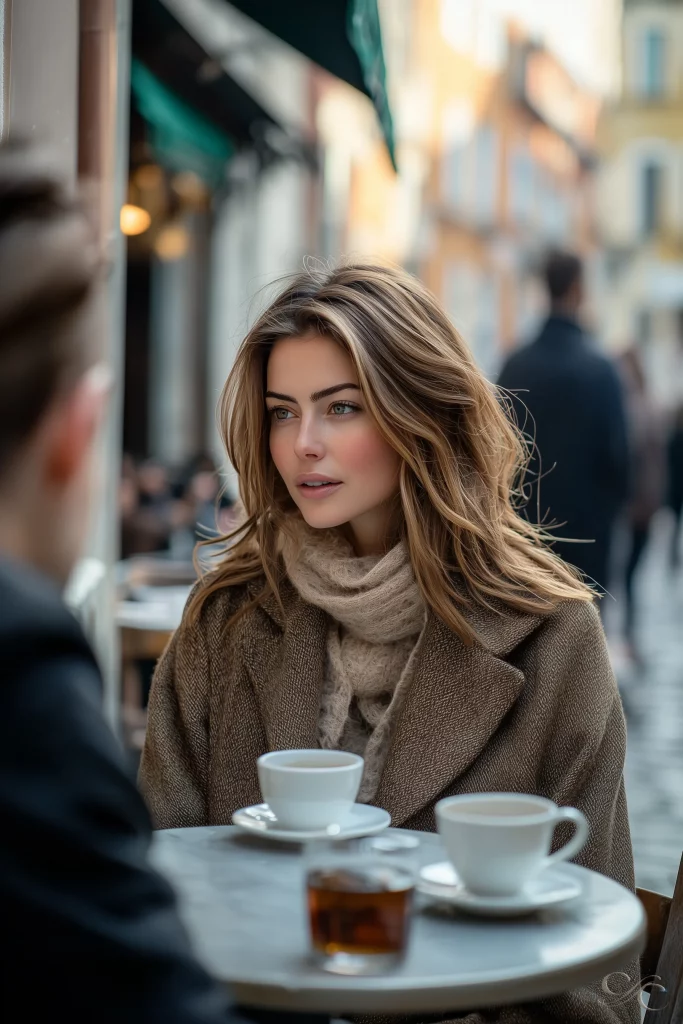
From café tables, the city flows outward. Streets feel narrower but more animated now—footsteps quicker, greetings more frequent. Venice moves at its own pace, but it is no longer quiet.

Markets reveal a different Venice—one rooted not in grandeur but in routine. Stalls of winter vegetables, fresh herbs, and citrus punctuate the narrow squares. Vendors speak with authority, hands moving as much as their voices. The pride here is quiet and confident.
— special note: commerce as culture
Venice was built on trade, and that legacy remains visible in even the smallest transactions. Bargaining is gentle, selection is deliberate, and relationships matter. Buying produce is never just practical—it is relational
By late afternoon, the energy softens again. The crowds thin, shop lights warm, and conversation shifts from practical to leisurely. Venice does not transition abruptly—it glides.
Evening arrives gently. A glass of white wine in hand, the chill feels less sharp and the city less guarded. Venice no longer needs decoding—it can simply be enjoyed.
In Venice, wine is rarely just a drink. It marks a pause between movement and conversation, between commerce and companionship. Whether standing at a small bacaro or lingering near a market stall as lights begin to warm, the ritual is the same: a brief gathering, a shared glass, a moment of recognition before the evening continues.
This day s about participation. Not sightseeing, not wandering

without aim—but engaging, listening, exchanging. The city responds differently when you do.
Wines to know in Venice
Venice does not produce its own wines, but it has always known how to serve them well. As a maritime republic built on trade, its tables reflect the wider Veneto region—fresh whites from volcanic hills, structured reds from inland valleys, and sparkling wines that anchor the ritual of aperitivo. Rather than seeking rarity, choose wines that pair naturally with seafood, conversation, and an unhurried evening.
Farewell coffee and the road to Verona
The final morning in Venice feels different. Not hurried, not nostalgic—simply aware. The city no longer needs to impress. It exists quietly around you, familiar now in its sounds and proportions. Day 4 is not about discovery. It is about departure.

One last espresso at a familiar table. The gesture is the same as yesterday, but the meaning shifts. There is no need to linger. Venice has already given what it intended to give.
The cup feels warmer now, the street sounds more familiar—footsteps, quiet greetings, morning deliveries. What was atmosphere has become memory in real time.
— special note: leaving well
In Italy, departures are rarely dramatic. A simple grazie, an arrivederci, a nod of recognition. The ritual matters more than the duration. A final coffee becomes a quiet closing ceremony.
Walking once more through the narrow streets, there is no urgency—only appreciation. Corners feel softer now. Shopkeepers more recognizable. There is warmth in brief exchanges. A shared smile. A casual remark. The small recognition that says: you were here, and you noticed. These details anchor a place more firmly than monuments ever could.
— special note: Venice as transition
For centuries, Venice was a city of passage—merchants arriving, diplomats departing, goods moving between East and West. Leaving is not disruption here; it is part of the rhythm.


At the station, the atmosphere changes. Stone gives way to steel and schedule. The rhythm shifts from water to rail.
The train to Verona waits quietly. Departure here does not feel like ending—it feels like continuation. Venice remains behind, composed and self-contained, while the landscape ahead promises a different cadence.
Four days are enough to glimpse a city’s rhythm, never to exhaust it. Venice does not ask to be conquered. It asks to be revisited.
📘 The Journey Continues — Verona
From water to stone.
Verona waits with Roman arches, quiet piazzas, and a different kind of intimacy. If Venice moves like water, Verona stands with structure—history visible in its walls. Three days there before the mountains rise and Cortina begins to shimmer with Olympic anticipation.
Inspired to go yourself? You can 💬 Chat with Camille on the site for travel and style ideas — hotels, dining, and what to pack.
À bientôt,
Camille ☕✨