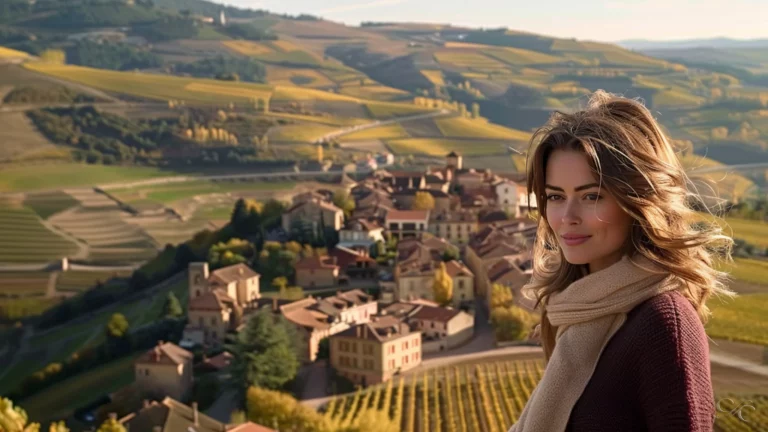
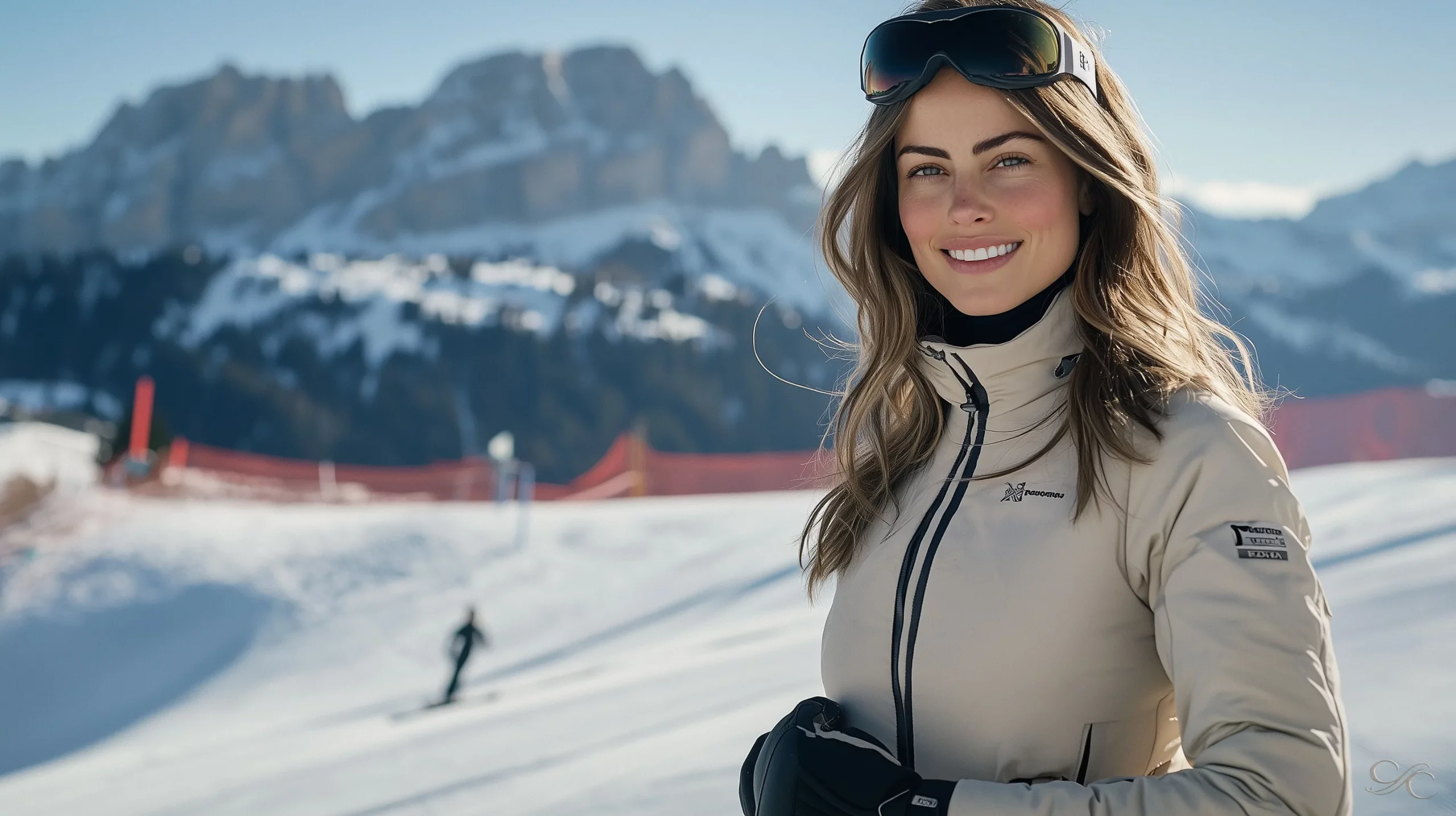
Cortina d’Ampezzo — Snowlight, Silence, and the Shape of a Day
After leaving Verona, the approach into Cortina d’Ampezzo is quieter than you expect.
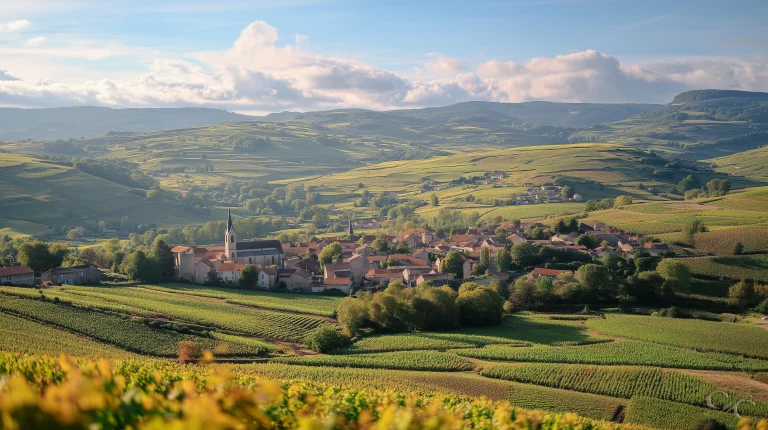
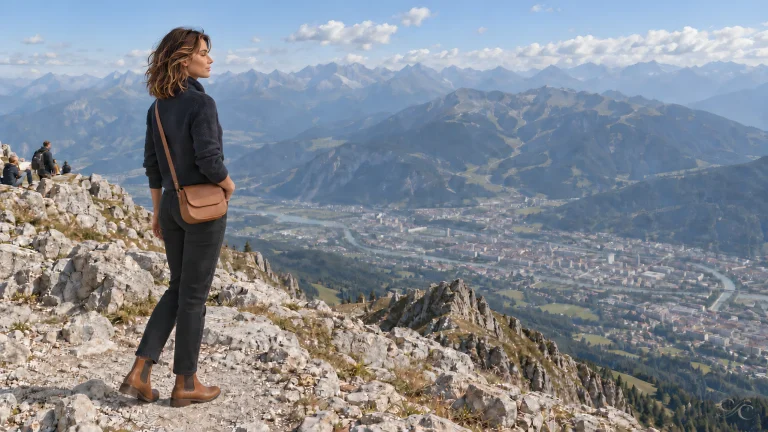
Set in the heart of the Dolomites—a UNESCO World Heritage Site—Cortina sits in a wide alpine basin, surrounded by dramatic limestone peaks that catch and reflect light throughout the day.
It’s this light, more than anything, that defines the experience here.
Train Arrival
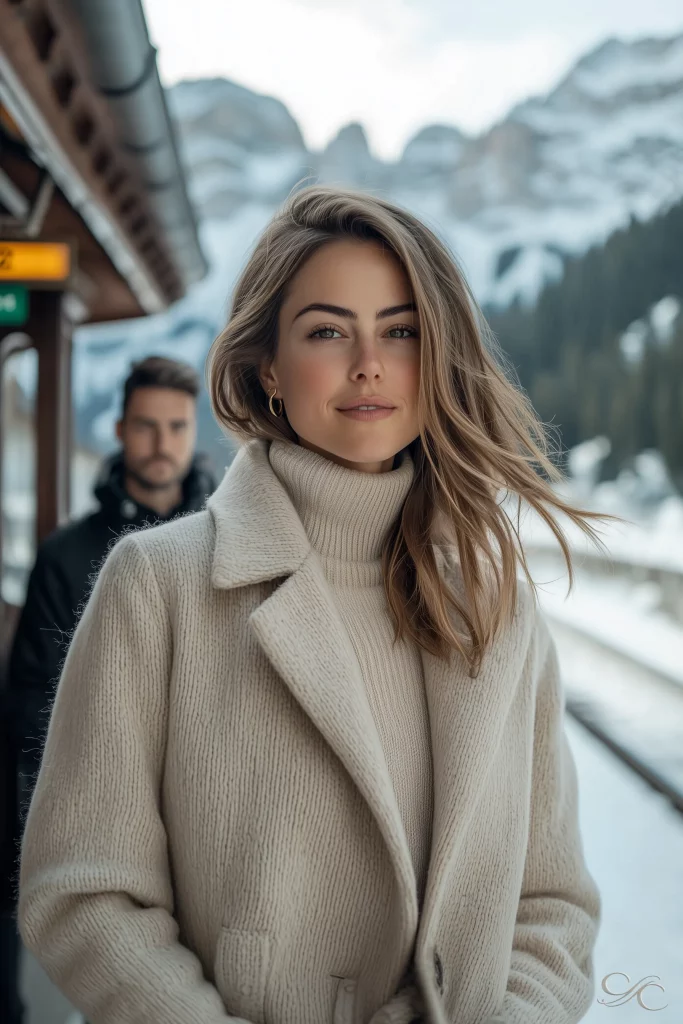
Arriving by train offers a slower introduction to the region.
While Cortina no longer has a direct railway station, routes through northern Italy—often via Verona or Venice—connect to the town by road. The final stretch winds through forest and valley, gradually revealing the scale of the mountains.
Historically, Cortina developed as part of the old Tyrolean trade routes, linking northern and southern Europe. That influence is still visible today—in the architecture, the food, and even the pace of life.
Transfer to Town & Hotel Arrival

The drive into town is understated.
Wooden chalets, alpine hotels, and small cafés sit against the backdrop of peaks like Tofane and Monte Cristallo—names that are well known to skiers, but equally striking even if you never step onto the slopes.
Cortina has long been considered one of Italy’s most elegant mountain destinations, attracting visitors since the late 19th century. Its reputation was cemented when it hosted the 1956 and 2026 Winter Olympics, bringing international attention to the region.
First morning in Cortina
Mornings in Cortina are defined by clarity.
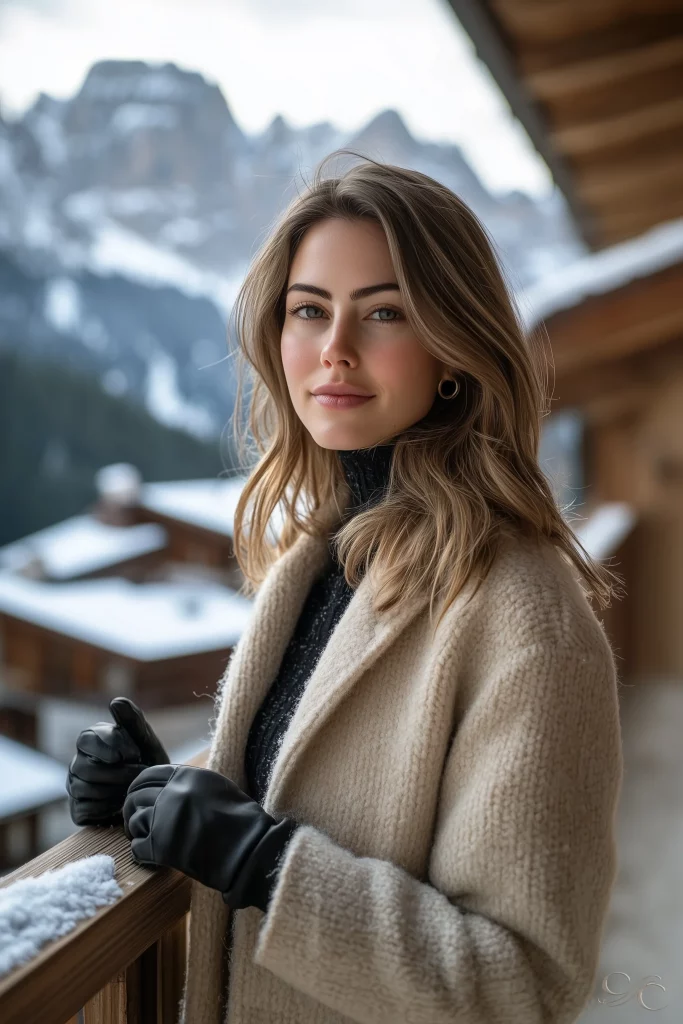
The Dolomites are known for a phenomenon called enrosadira—when the pale limestone peaks take on shades of pink and gold at sunrise and sunset. Even in winter, this shifting light gives the mountains a sense of movement.
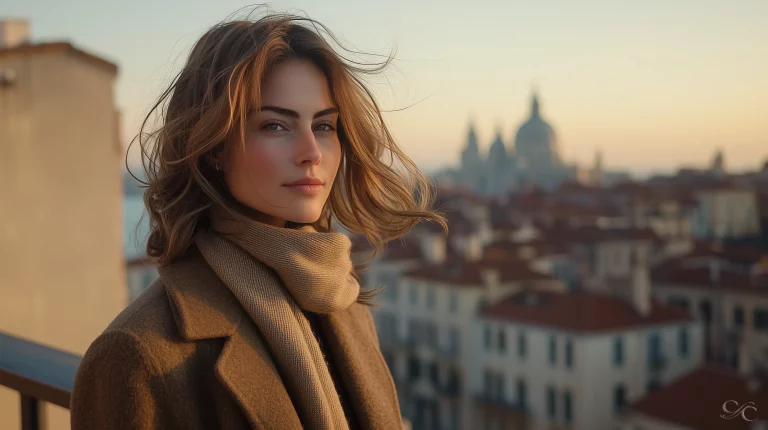
From the balcony, you begin to understand why people return here year after year.
On the Slopes
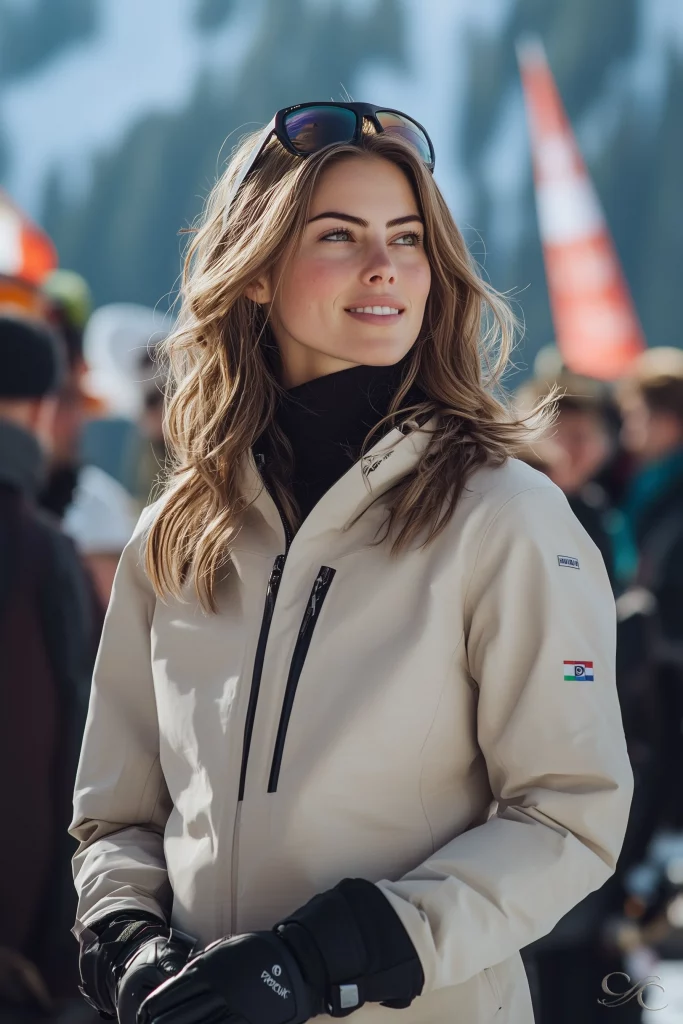
Cortina is part of the Dolomiti Superski area, one of the largest interconnected ski regions in the world, with over 1,200 kilometers of runs.
What makes it distinctive is not just the scale, but the setting.
Runs are wide and well-groomed, with views that extend far beyond the immediate piste. Even at a moderate pace, the experience feels expansive rather than technical—ideal for skiers who value scenery as much as performance.
There’s also a noticeable rhythm to the day.
Mornings are quieter, with locals and early risers taking advantage of fresh snow. By midday, the atmosphere shifts—more movement, more energy, more visibility across the slopes.
And yet, it never feels crowded in the way some larger resorts can.
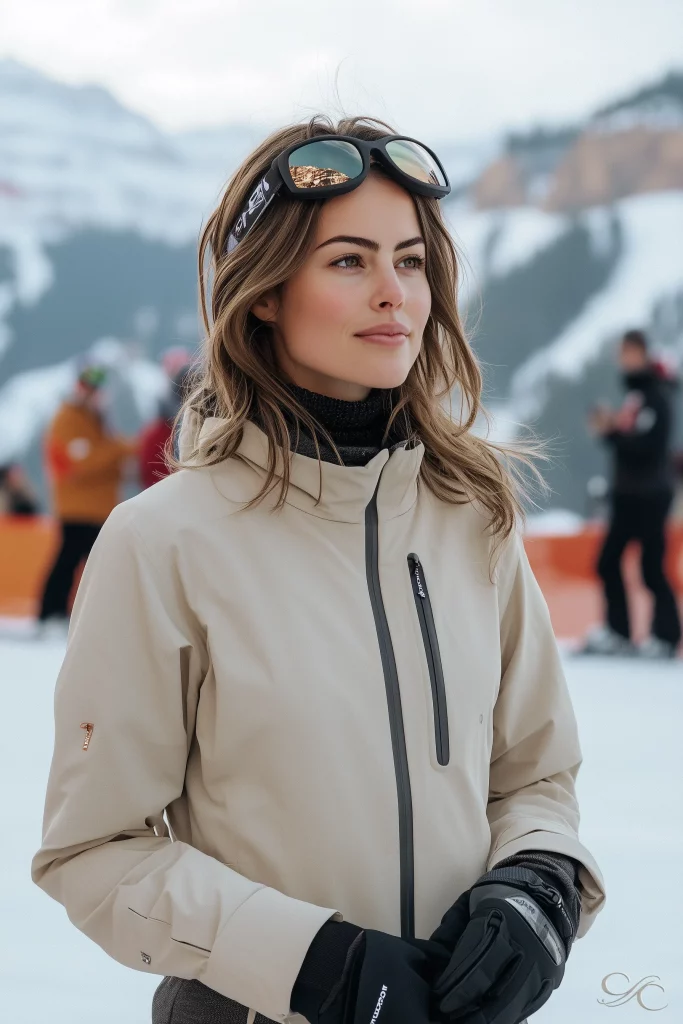
Apres Ski
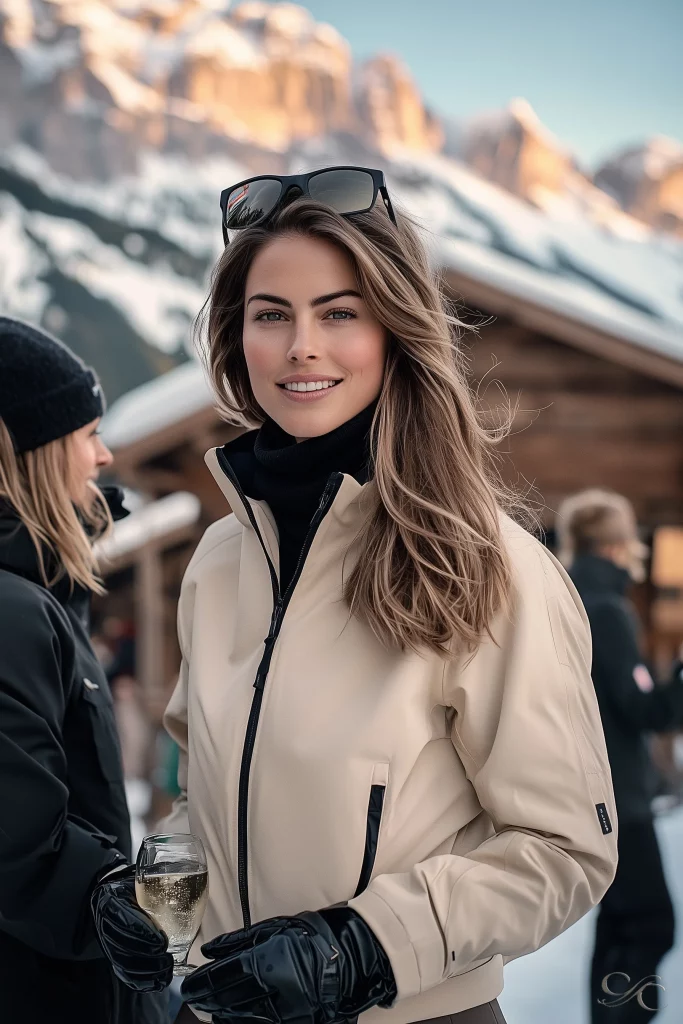
By late afternoon, the focus changes.
Cortina’s après-ski culture is less about volume and more about atmosphere. Terraces fill gradually, glasses appear, and conversations stretch into the early evening.
Places like Rifugio Scoiattoli or Rifugio Averau are known as much for their setting as their menus—offering views that extend across the Dolomites as the light begins to fade.
It’s here that Cortina distinguishes itself. The experience isn’t rushed. There’s no pressure to move on to the next thing.
The day simply transitions—from movement to stillness, from mountain to table.
Cortina’s rhythm continues into the evening in a way that feels distinctly Italian. Dinner comes later than you might expect, often beginning with something simple—local speck, warm bread, a glass of wine—before moving into heartier alpine dishes shaped by both Italian and Austrian influence. It’s a cuisine designed for winter: rich without being heavy, comforting without losing refinement.
The town itself gathers along Corso Italia, where boutiques, cafés, and small wine bars remain active well into the evening.

Even in peak season, there is a sense of composure here—less urgency, more intention. You move slowly, you notice more, and the experience begins to feel less like a resort and more like a place with its own quiet identity.
Wines to try in Cortina
Unlike regions with a single dominant wine identity, Cortina draws from across northern Italy. The surrounding Veneto and Alto Adige regions offer a mix of alpine freshness and structured reds—well suited to both the altitude and the cuisine. The focus here is less on discovery and more on choosing well within a strong, established tradition.
Camille’s Notes
FAQ
When is the best time to visit Cortina d’Ampezzo?
Late December through March offers the most reliable snow conditions, while early March brings softer light and fewer crowds.
Is Cortina good for beginner skiers?
Yes—Cortina offers a mix of gentle slopes and more advanced terrain, with excellent infrastructure and access to the wider Dolomiti Superski network.
📘 The Journey Continues
With winter beginning to soften, the next journey turns south—toward the Algarve, where the landscape shifts from alpine precision to coastal openness. The pace will change, the light will change, but the intention remains the same: to follow places that reveal themselves slowly, and to understand them through how they are lived, not just how they are seen.arve region.
Inspired to go yourself? You can 💬 Chat with Camille on the site for travel and style ideas — hotels, dining, and what to pack.
À bientôt,
Camille 🍇✨