
An Introduction to Slovenia’s Wine Country
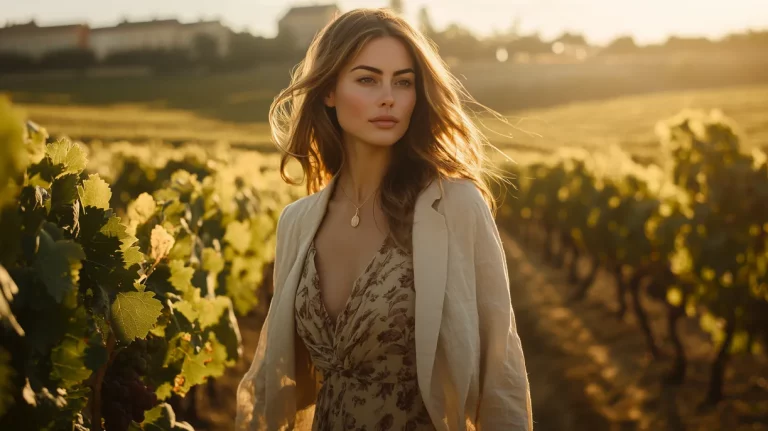
I started in western Slovenia, inland from the Adriatic and Dalmation Coast where we had previously been. The road moved away from sea views and into vineyards, orchards, and small hill villages. Goriška Brda came first, with family vineyards spread across rounded hillsides and medieval villages set above the roads. Wine stayed close to households, cellars, and village cafés rather than formal estates.
The Vipava Valley of Slovenia had a different shape. The hills opened into limestone landscapes, with quieter roads running between vineyards, farmhouses, and places where local food and wine stayed close to the season. Compared with the coast, both regions were built around short distances: a village, a cellar, an orchard slope, a café table, and another road bending toward the next stop.
Settling into Goriška Brda
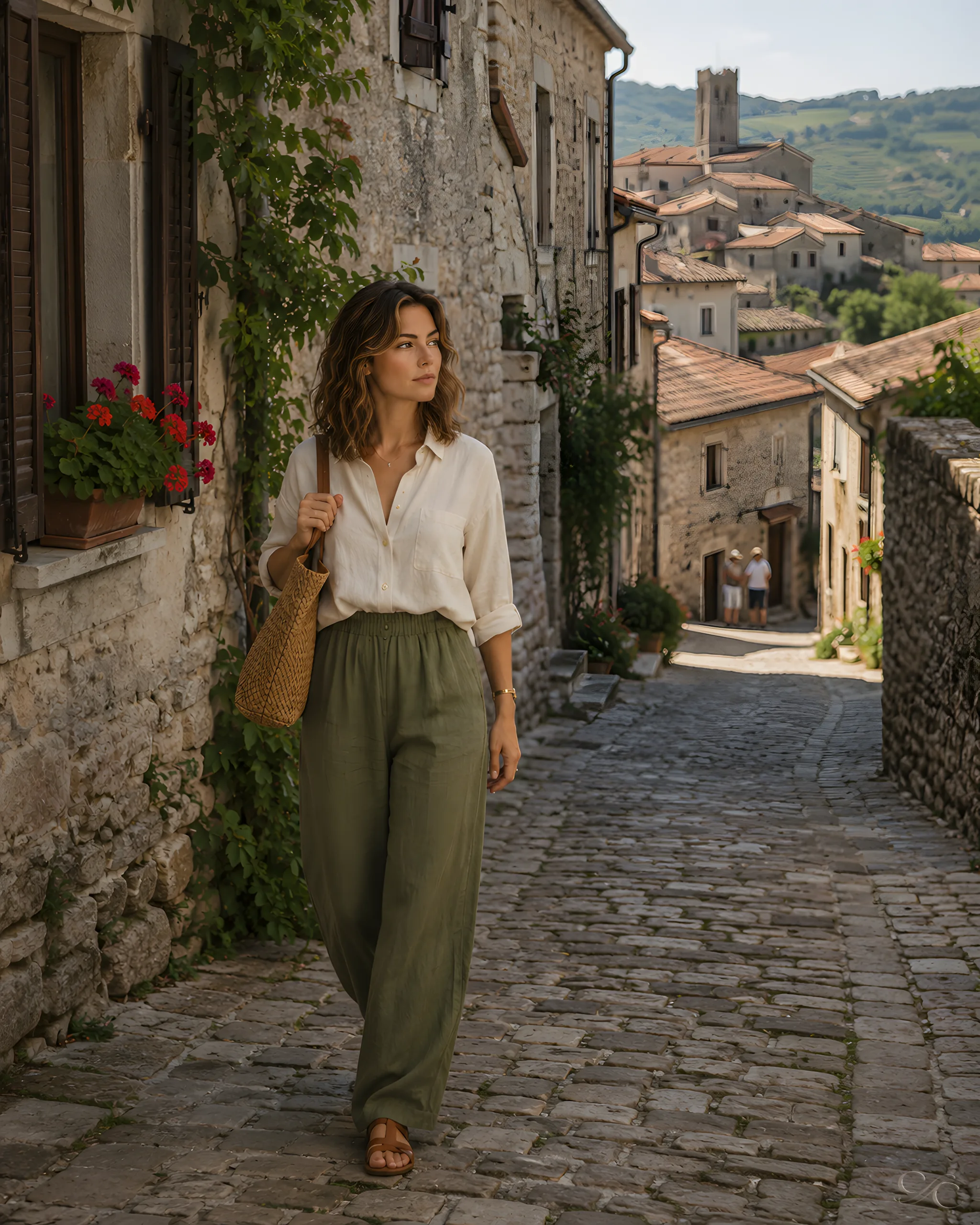
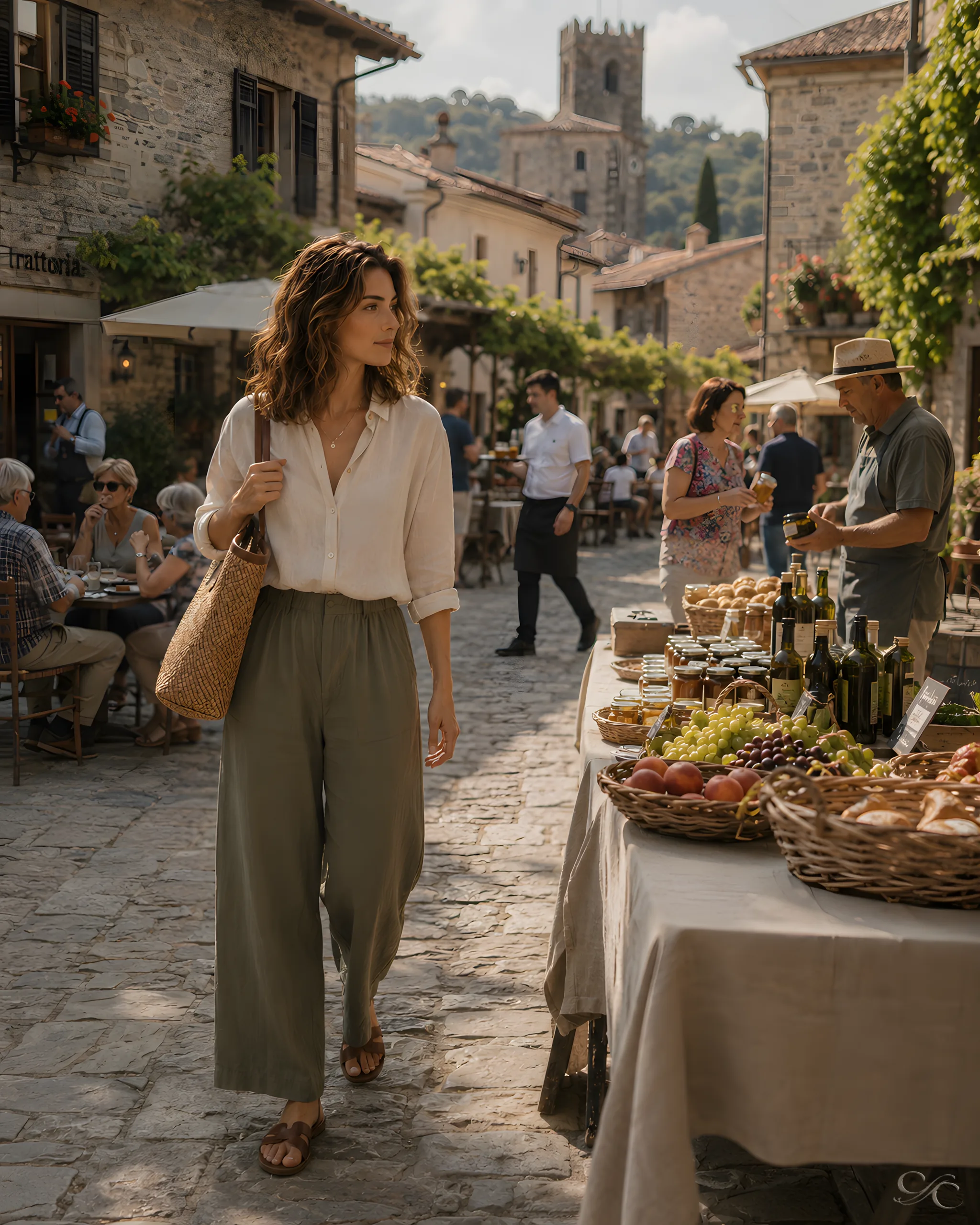
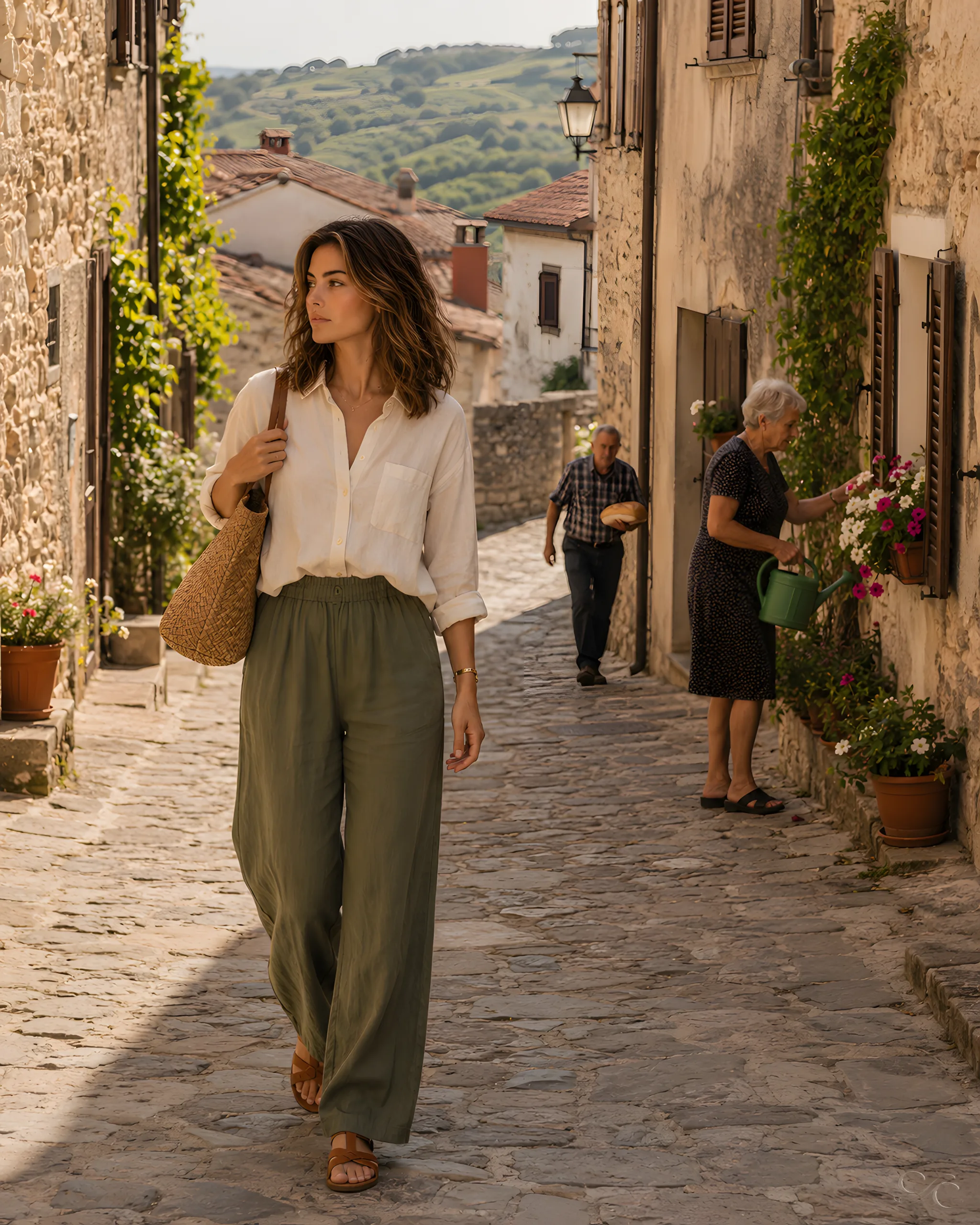
After arriving at the family-run vineyard guesthouse, I walked toward Šmartno before dinner. The village sat on a hill above the Brda vineyards, compact and enclosed, with houses gathered inside old medieval fortifications. From below, it looked less like a display of history than a place still in use.
Inside the village, lanes narrowed between stone houses with wooden shutters, small courtyards, and vines climbing against the walls. At certain corners, the buildings opened briefly to the surrounding hills, where vineyard rows followed the slopes below. From there, the defensive position was easy to understand, with views reaching across the countryside.
In the square, neighbors talked in the warm afternoon light, a few visitors sat over coffee, and local producers had seasonal goods laid out nearby. Winegrowing was not presented as a separate attraction. It was in the guesthouse, the surrounding fields, and the conversations moving through the village before evening.
Evening Above the Vineyards
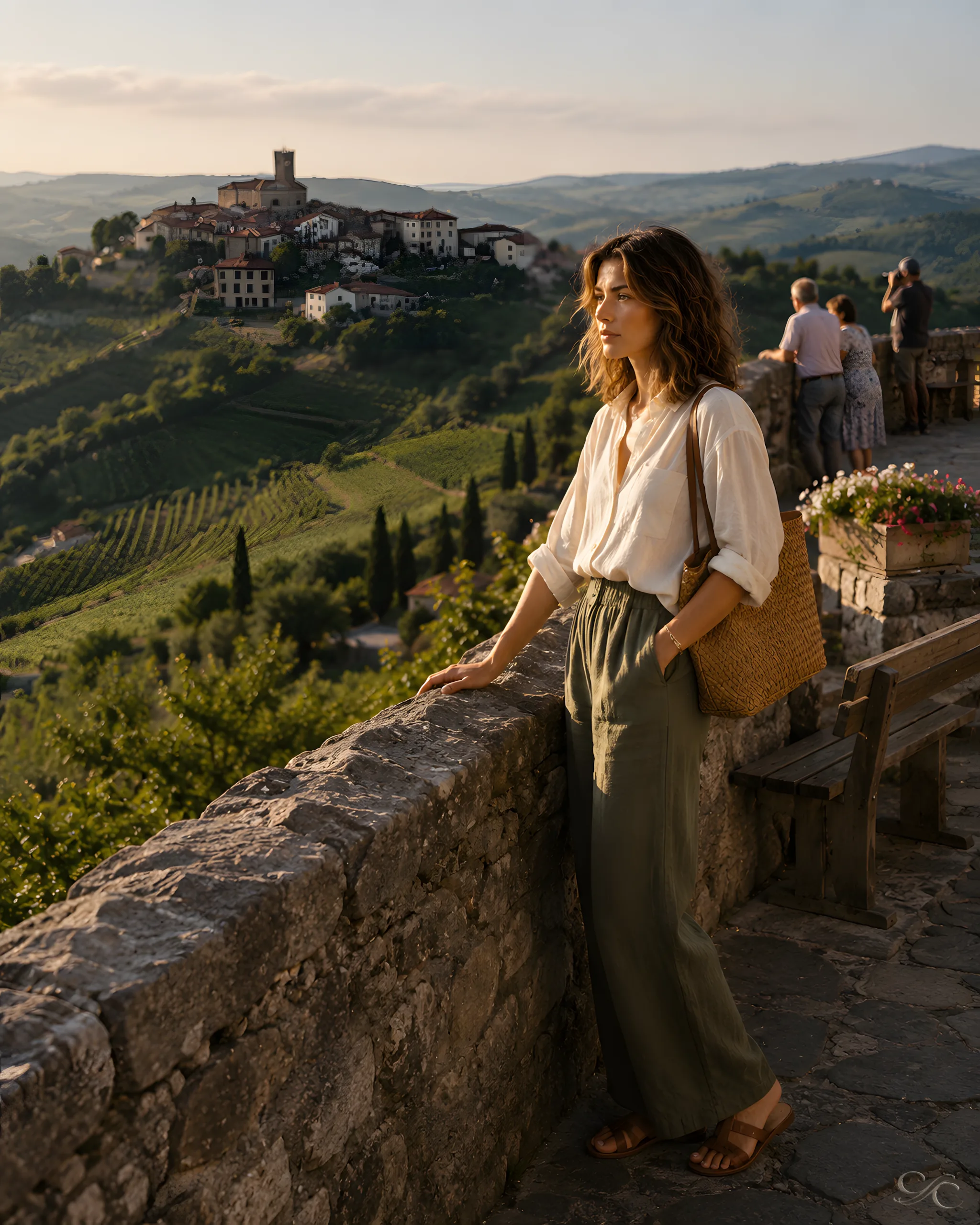
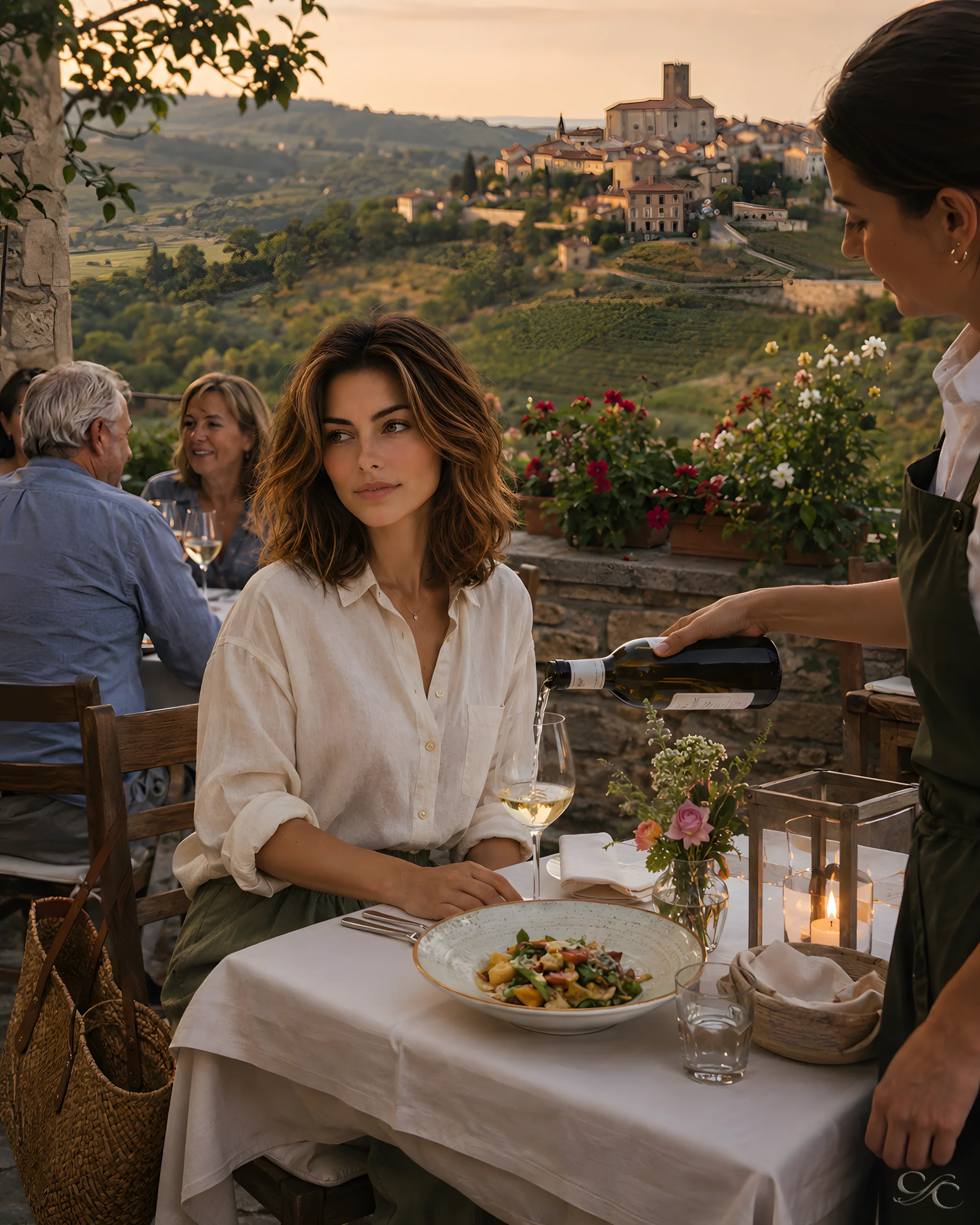
From the village lanes, I followed the old stone walls toward one of Šmartno’s overlooks. The voices from the square softened behind me, and the view opened to rounded hills, vineyard rows, and patches of countryside catching the last warm light.
I stayed there without adding another stop to the afternoon. The slopes changed color as the sun dropped lower, and the lines of vines became sharper against the fields around them.
By the time I returned to the guesthouse, dinner had been set on the terrace. Glasses clinked, conversations moved quietly between tables, and the remaining light spread across the vineyards below. We ate local food and drank wine from the surrounding hills while evening settled over Goriška Brda.
Walking the Vineyards with the Winemaker
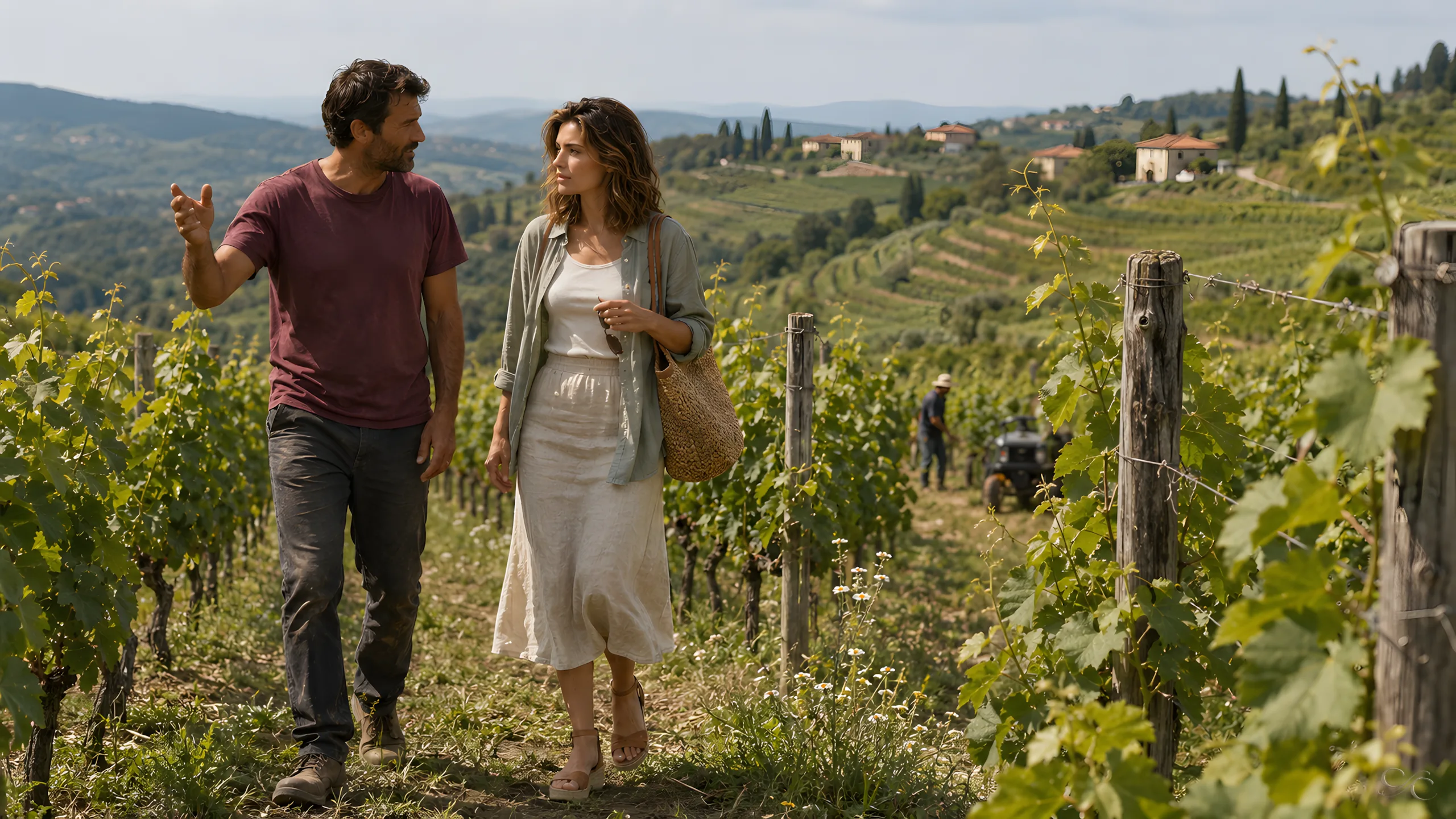
In the morning, before the tasting rooms became busy, I walked the vineyard terraces with a local winemaker. The rows followed the slopes of Goriška Brda, shaped over generations by families who farmed these hills rather than by large estates.
He spoke first about Rebula, Brda’s best-known white grape. Across the nearby Italian border, it was known as Ribolla Gialla, a reminder of how close this landscape was to Friuli. In Brda, Rebula had a long history and grew in the region’s marl-and-sandstone opoka soils.
The grape appeared in more than one form. Some producers made it fresh and bright; others worked with skin contact or aged it in wood. Standing among the vines, those choices sat beside the visible facts of the place: terraced slopes, family parcels, and a grape shared across this border country.
Inside the Cellar
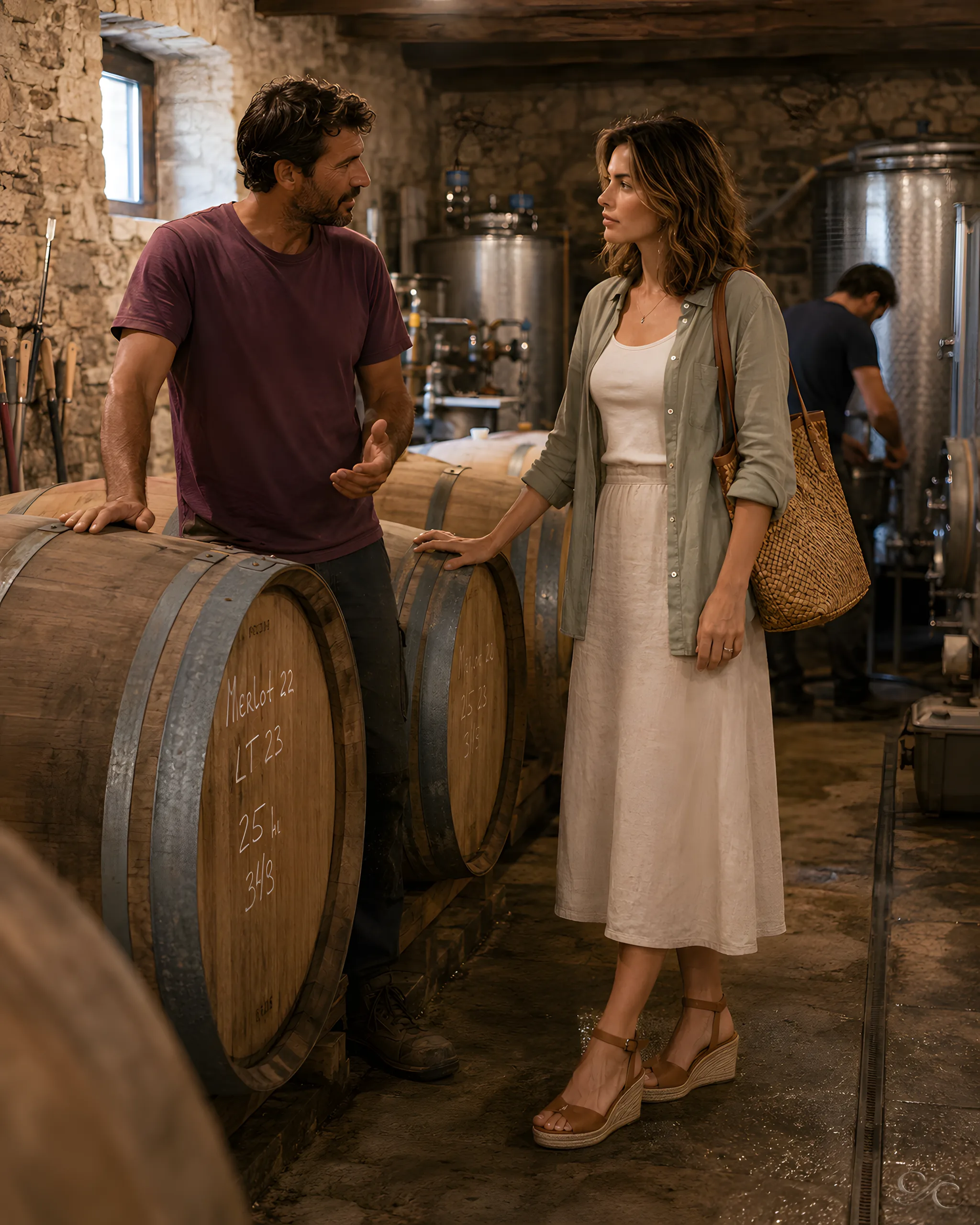

From the vineyard, we followed the winemaker into the stone cellar, where the air turned cool and the conversation became more precise. The rows outside had explained the first choices: which parcels to farm, how to work the slopes, when the grapes were ready. In the cellar, those choices continued in quieter ways.
He spoke about fermentation, describing the moment when grape juice began to change into wine. Some wines stayed in stainless steel, where aging kept a cleaner, fresher expression. Others moved into oak barrels, where time gave the wine more texture and structure. The contrast was not presented as better or worse, only as a decision made for each vintage and each grape.
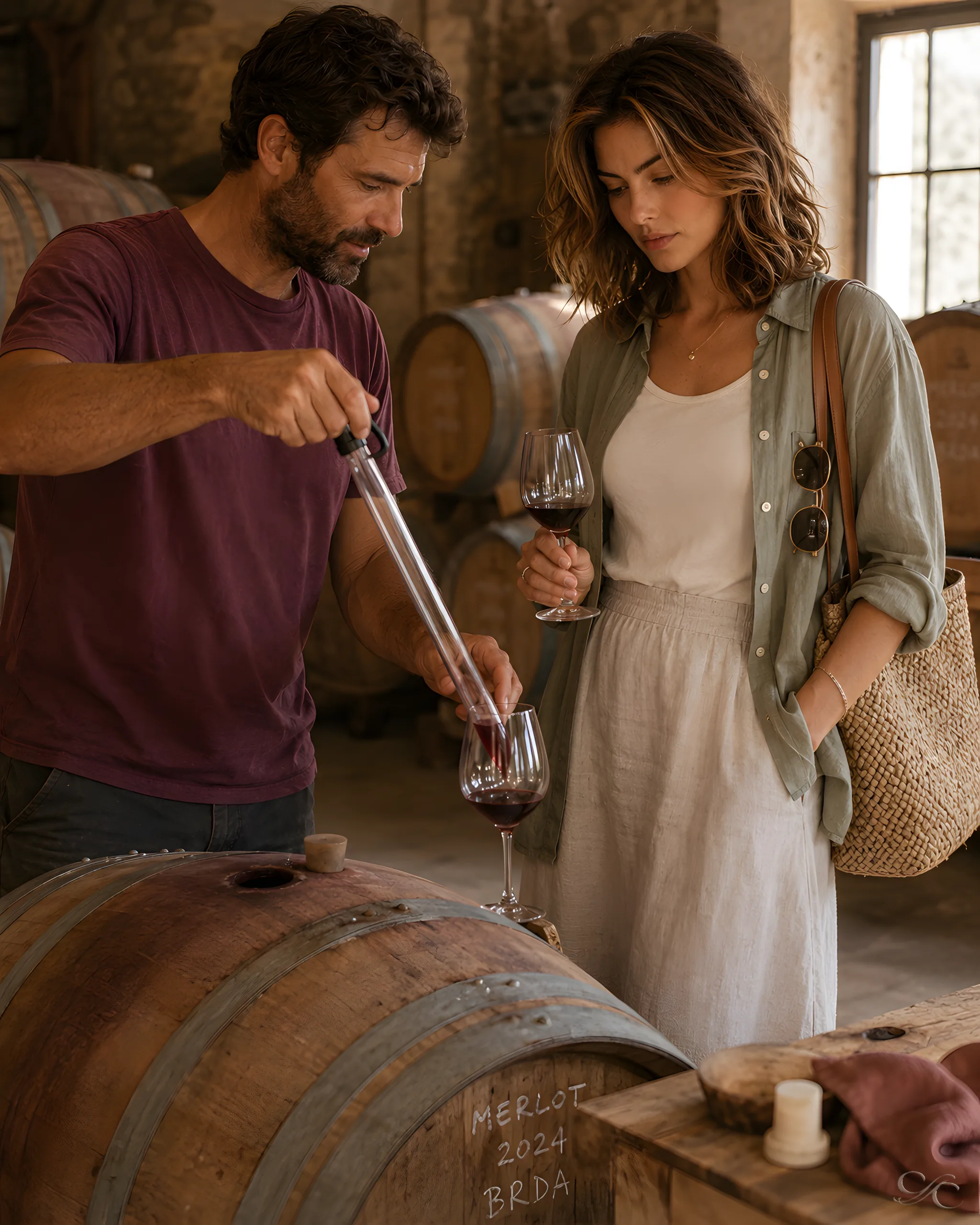
Beside one oak barrel, he stopped and picked up a traditional wine thief. He drew a small sample and poured it into a glass, still unfinished and not ready for bottling. The wine had a different edge from the finished bottles we tasted later outside under the pergola. Its aroma and texture were still developing.
That small pour made the cellar work visible: fermentation, vessel, time, and tasting all shaping what would eventually leave the family winery.
Lunch Among the Vines
After the cellar, I sat on the shaded terrace for lunch, with the Brda hills dropping away beyond the vines. The meal did not arrive like restaurant service built around choices and courses. It came as part of the winery visit: regional food served with the wines we had just discussed, at a table close to the place that made them.
The ingredients followed the season and the surrounding hills. The morning’s explanations—Rebula, cellar vessels, time in barrel—stayed in the background while I ate and
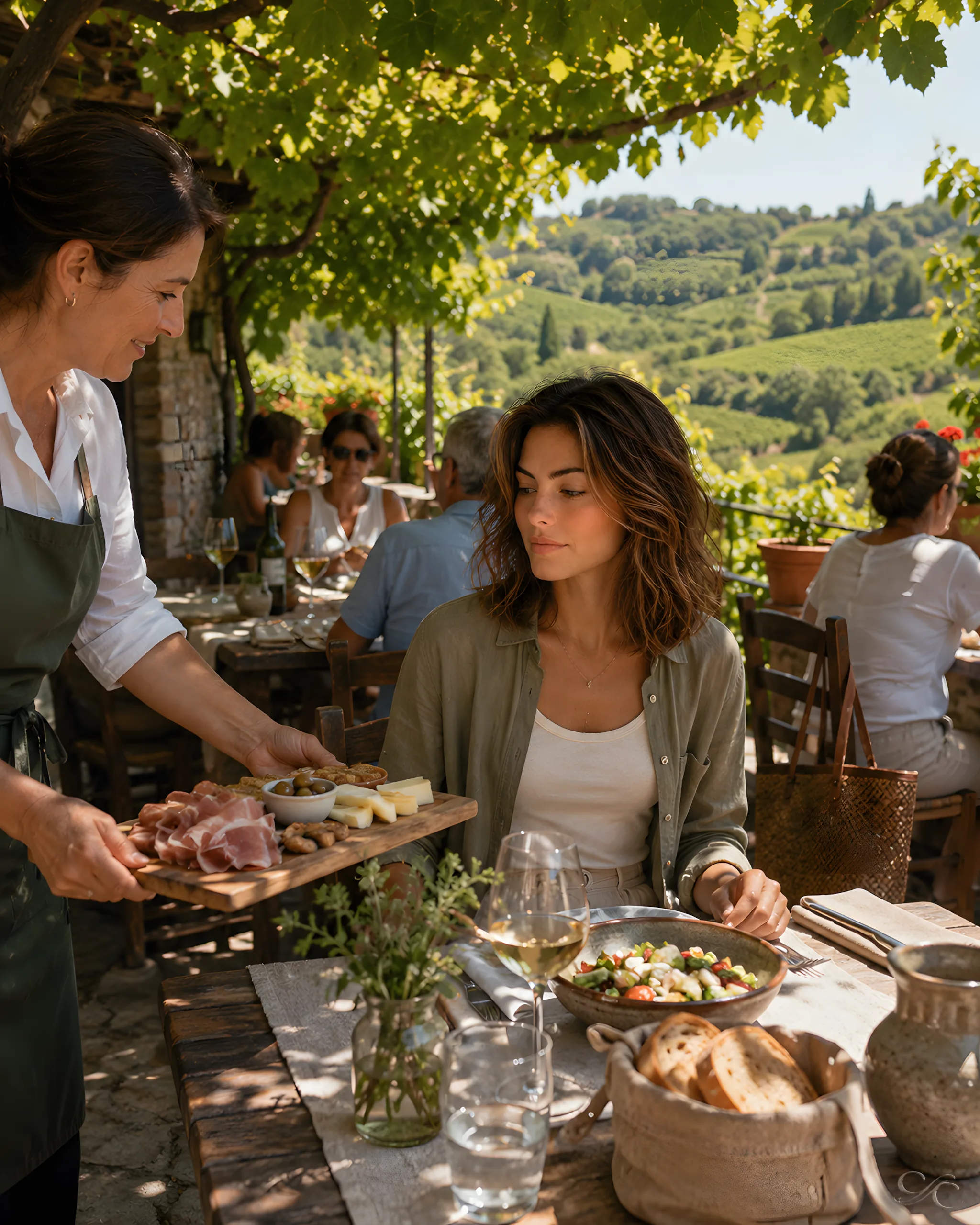
looked across the vineyard rows. At a family winery, hospitality stayed close to the work. Lunch was not an add-on; it was another way of receiving guests.
A Different Landscape: Vipava Valley
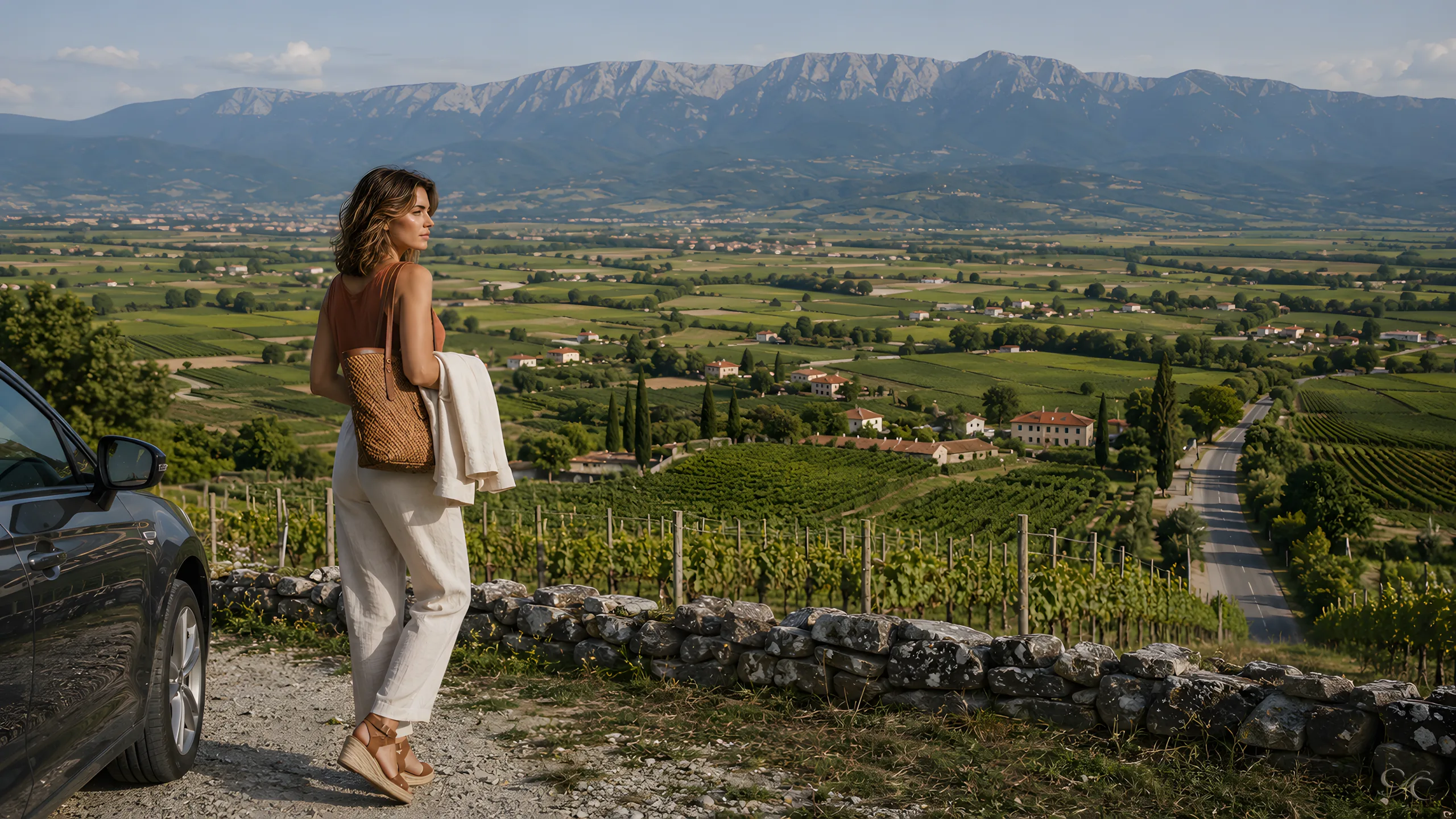
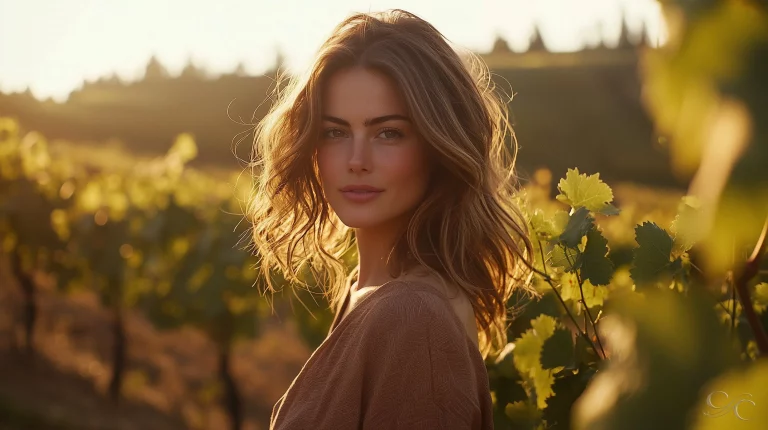
The road out of Goriška Brda left the rounded vineyard hills behind and dropped into broader country. In Slovenia’s Vipava Valley, the vines no longer climbed in tight terraces around hill villages. They stretched across the valley floor, with farmhouses set apart from one another and mountains holding the far edge of the view.
I stopped at an overlook before the first winery. The change was immediate: wider roads, more open fields, fewer village walls around the vines. The valley was known for the burja, or Bora wind, a force strong enough to shape the landscape over time. From that viewpoint, it was not an abstract fact. The mountains showed the exposure of the place, and the vineyards sat in its path.
Wine here appeared less tied to compact medieval villages than to working farms and broad parcels of valley land. After a few minutes, I left the car and walked between the rows.
Modern Winemaking in Vipava
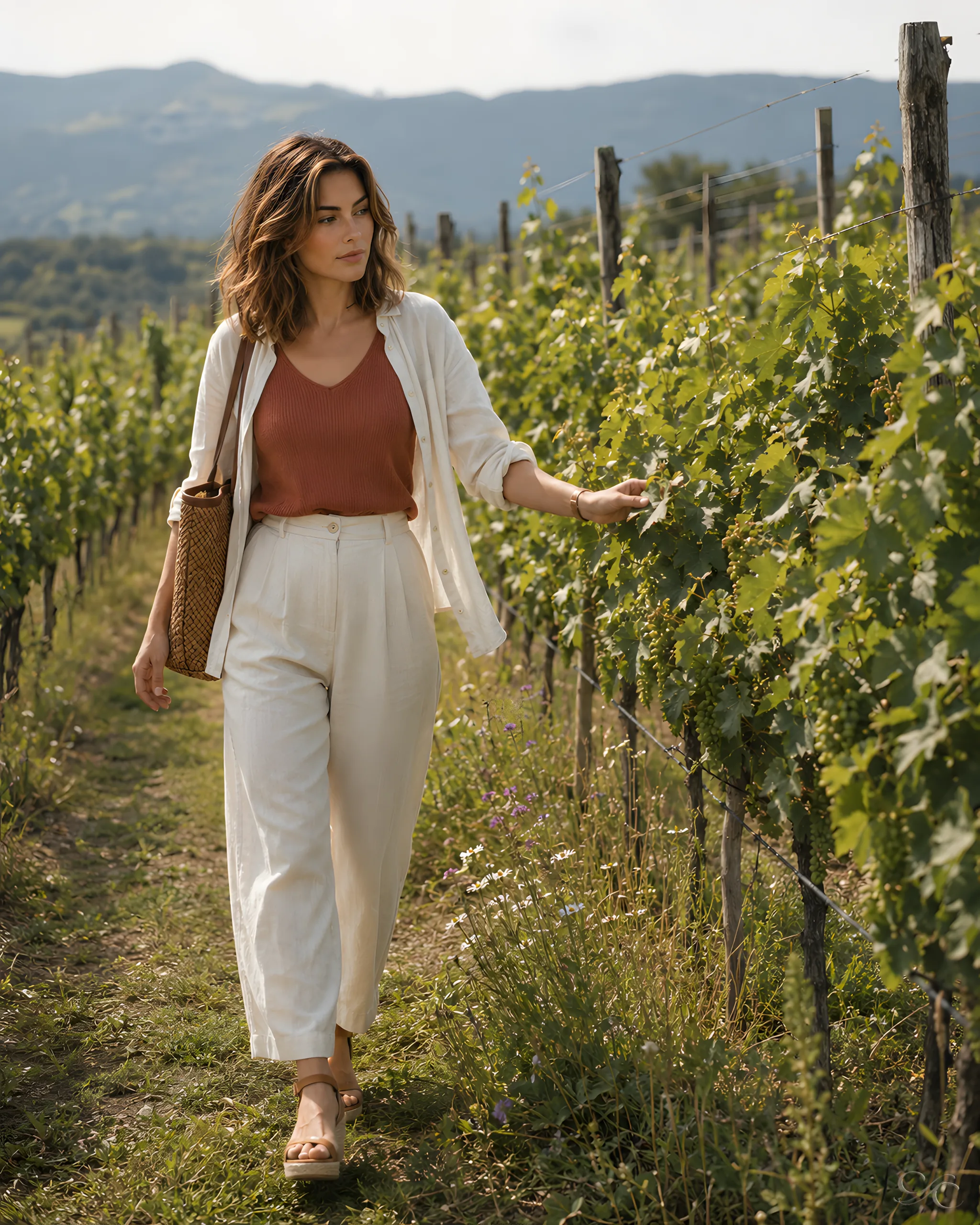

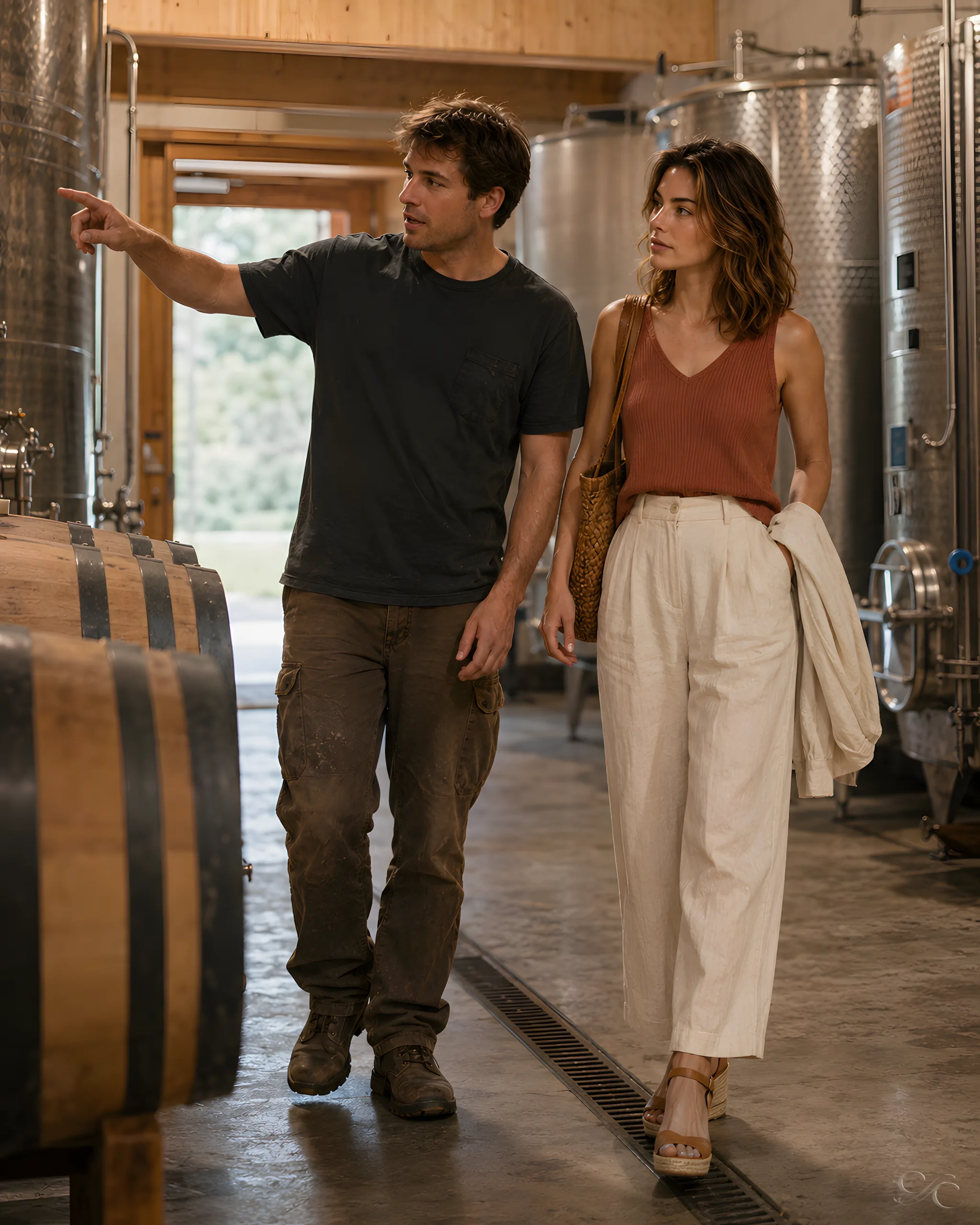
In Vipava, I met the winemaker between the vine rows. We were already talking as we walked, with the open valley around us. After Brda’s tighter hillsides and village cellars, this setting was broader and more agricultural: wider parcels, farm buildings, mountain edges, and the knowledge that the burja wind was part of each growing season.
He spoke from the position of someone working a family winery, not an estate separated from daily labor. The scale remained small, but the tools were not old-fashioned for appearance. Inside, stainless-steel tanks stood near wooden barrels, and the conversation shifted from weather and rows to fermentation, aging, and decisions made after harvest.
The contrast with Brda was practical rather than dramatic. In Brda, I had noticed older stone cellars and the close relationship between village life and vineyards. Here, the cellar looked more contemporary. The wooden barrels still had their place, but so did the clean lines of modern tanks.
At the tasting, that combination carried through: family production, modern control in the cellar, and wines still tied to the valley outside the door.
Lunch on the Terrace
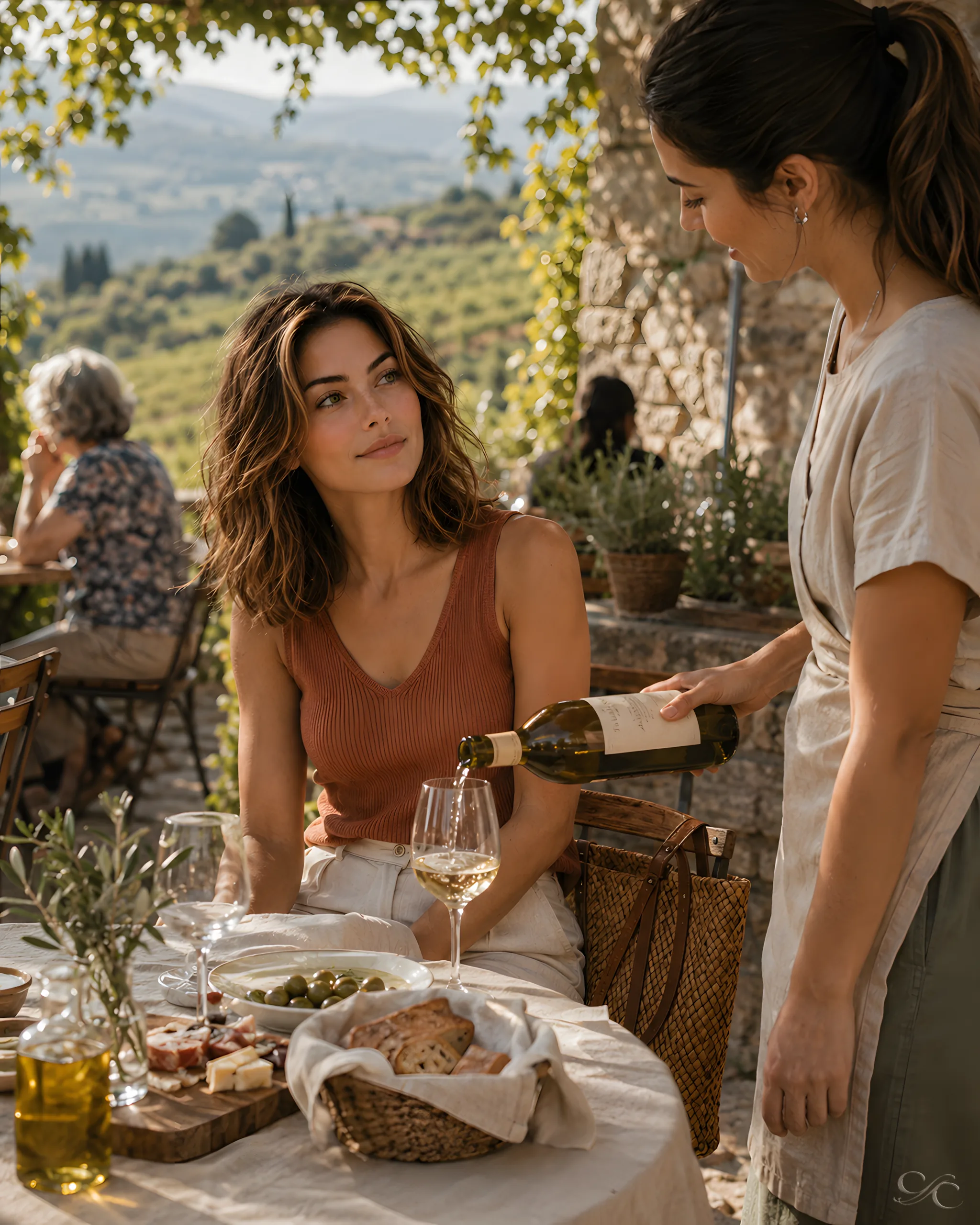
After the cellar visit, the winemaker returned to his work, and a younger family member showed me to a table on the terrace. Lunch arrived without ceremony: fresh local food, bread, and a glass of the winery’s wine.
The pace was different from Brda. There, meals had stayed close to the village and the old cellar walls; here, the conversation kept returning to the practical work of the farm and the wines made from the surrounding parcels. No one lingered over presentation. Plates were set down, wine was poured, and the family moved between hospitality and the tasks of the day.
I ate slowly, with the cellar still in mind.A Gentle Introduction to Slovenia’s Wine Country
A Quiet Morning Before Leaving
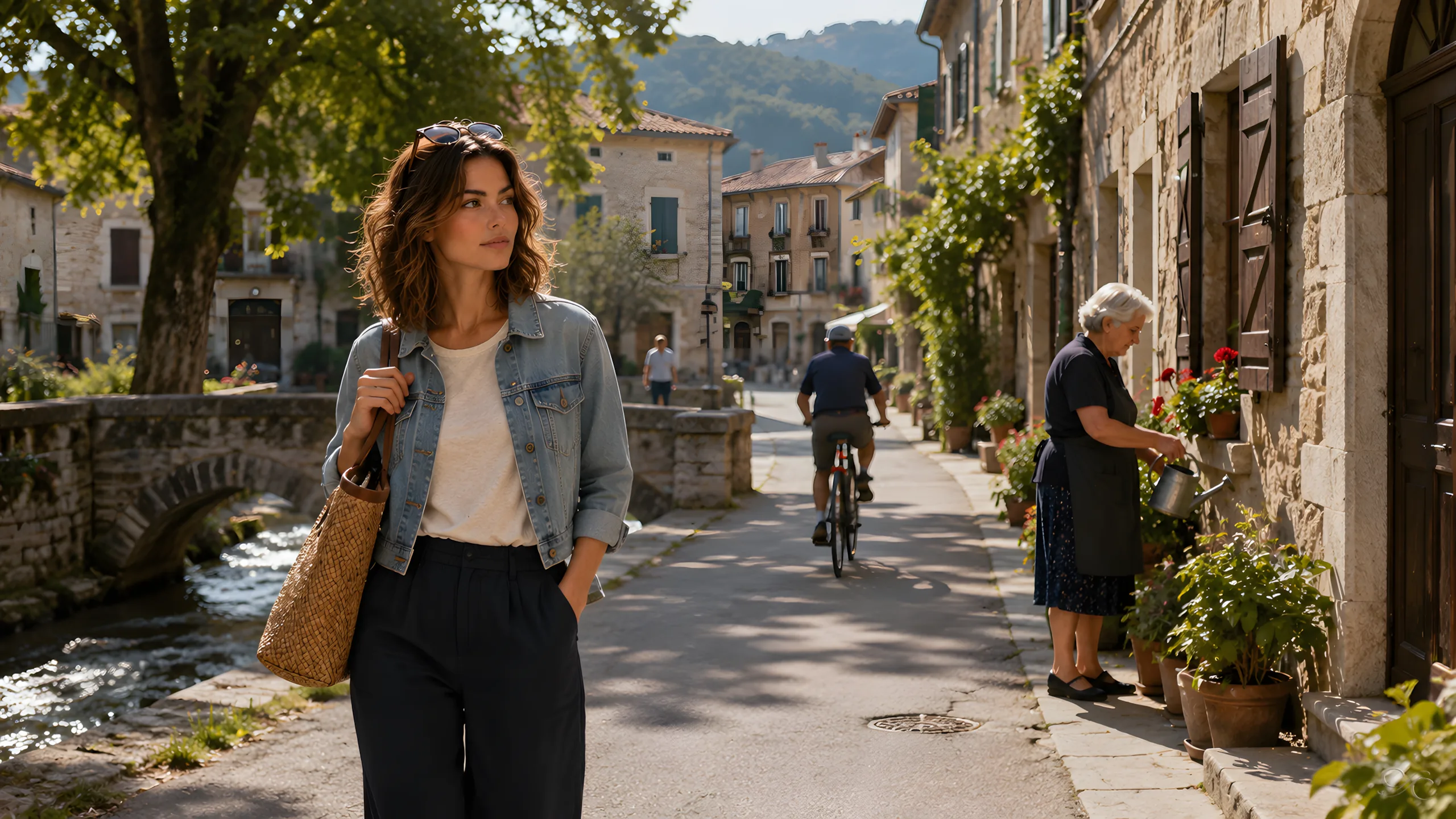
On my last morning in Vipava, I walked without an itinerary. The streets were quiet, and the village was only beginning to wake. After the tighter hill villages of Brda, Vipava felt more open even at street level, with the valley and mountains never far from view.
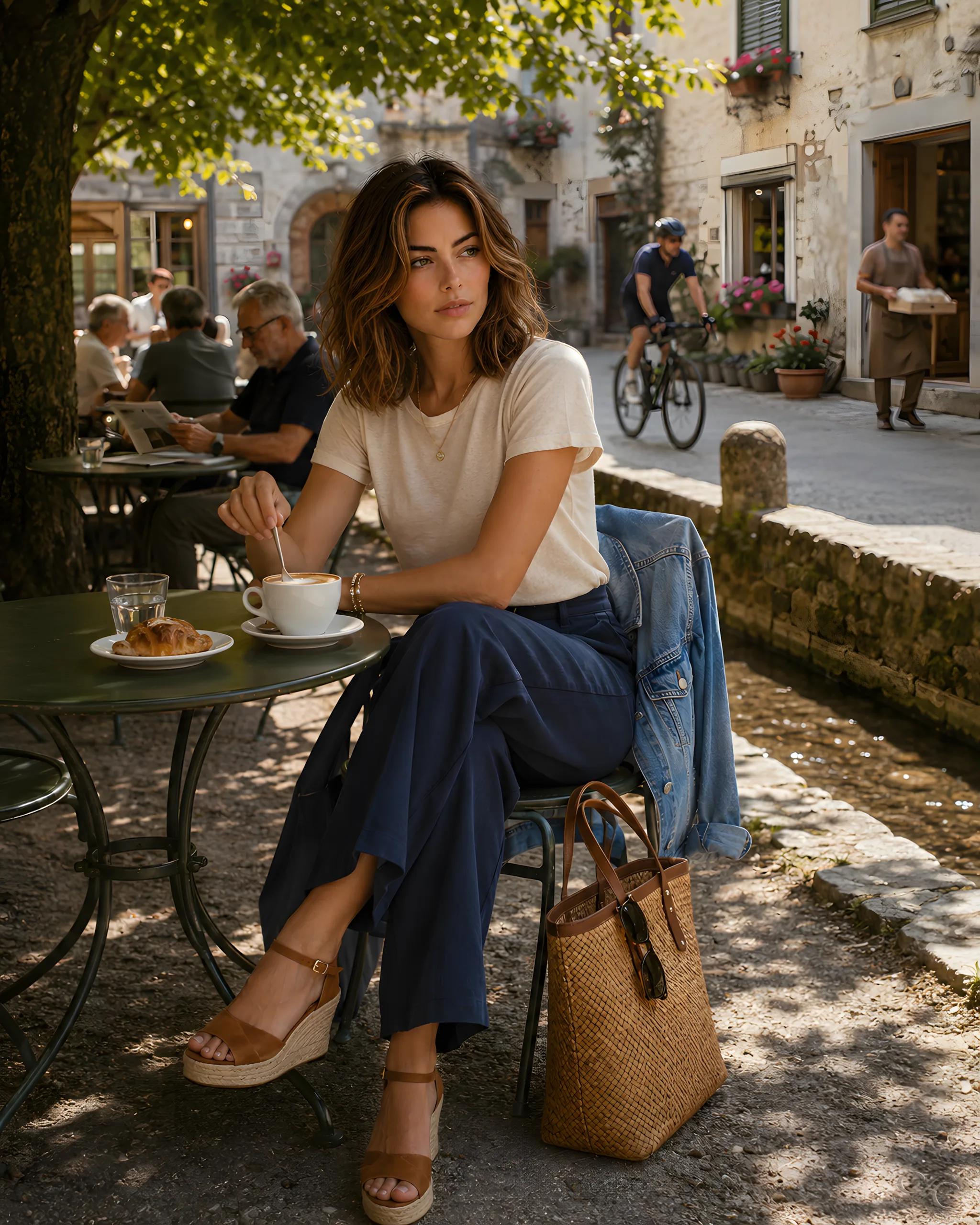
I stopped at a small café terrace overlooking one of the quiet streets and ordered coffee. There was no cellar visit to reach, no vineyard appointment later in the day. I stayed long enough to watch people open doors, cross the street, and begin the morning.
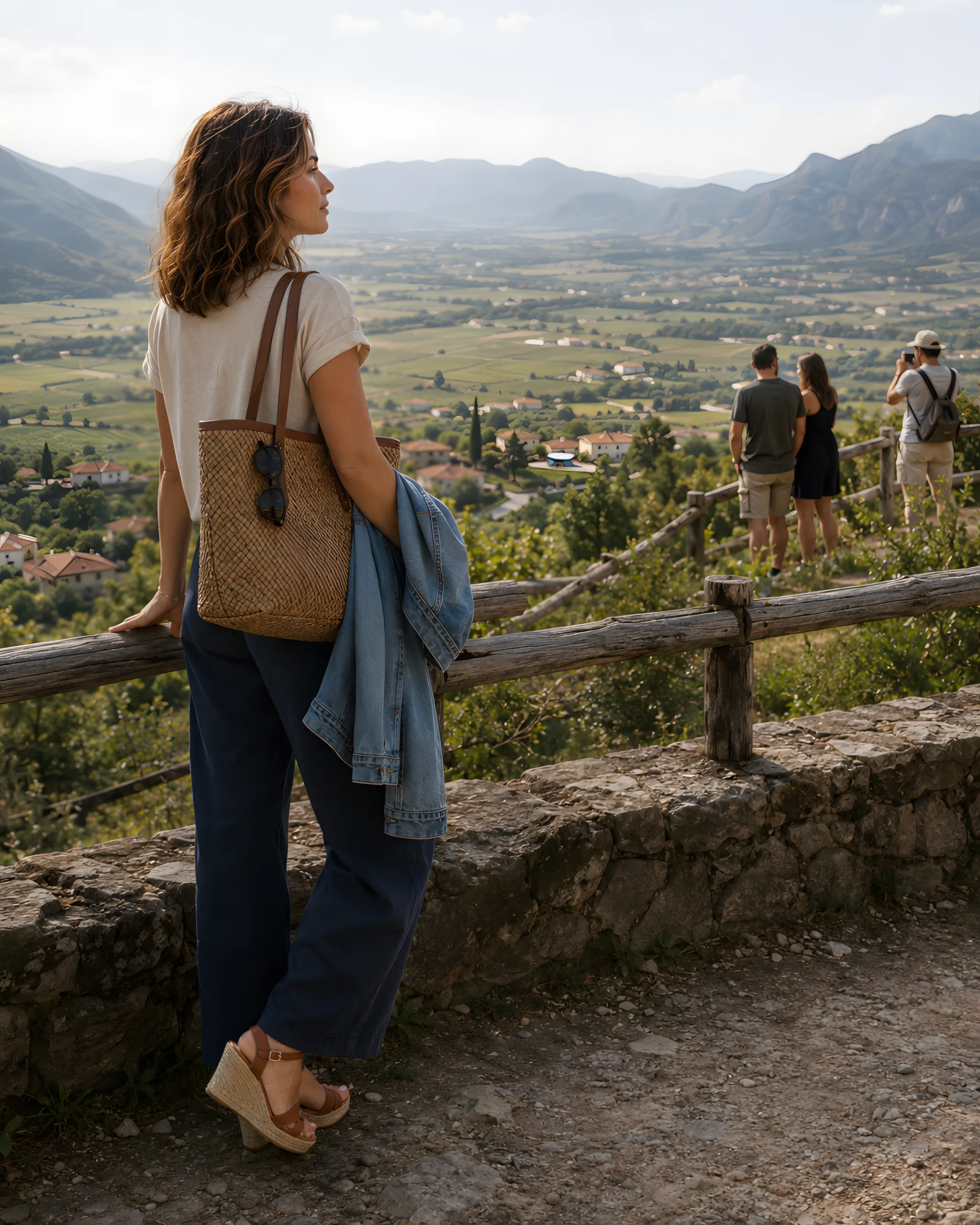
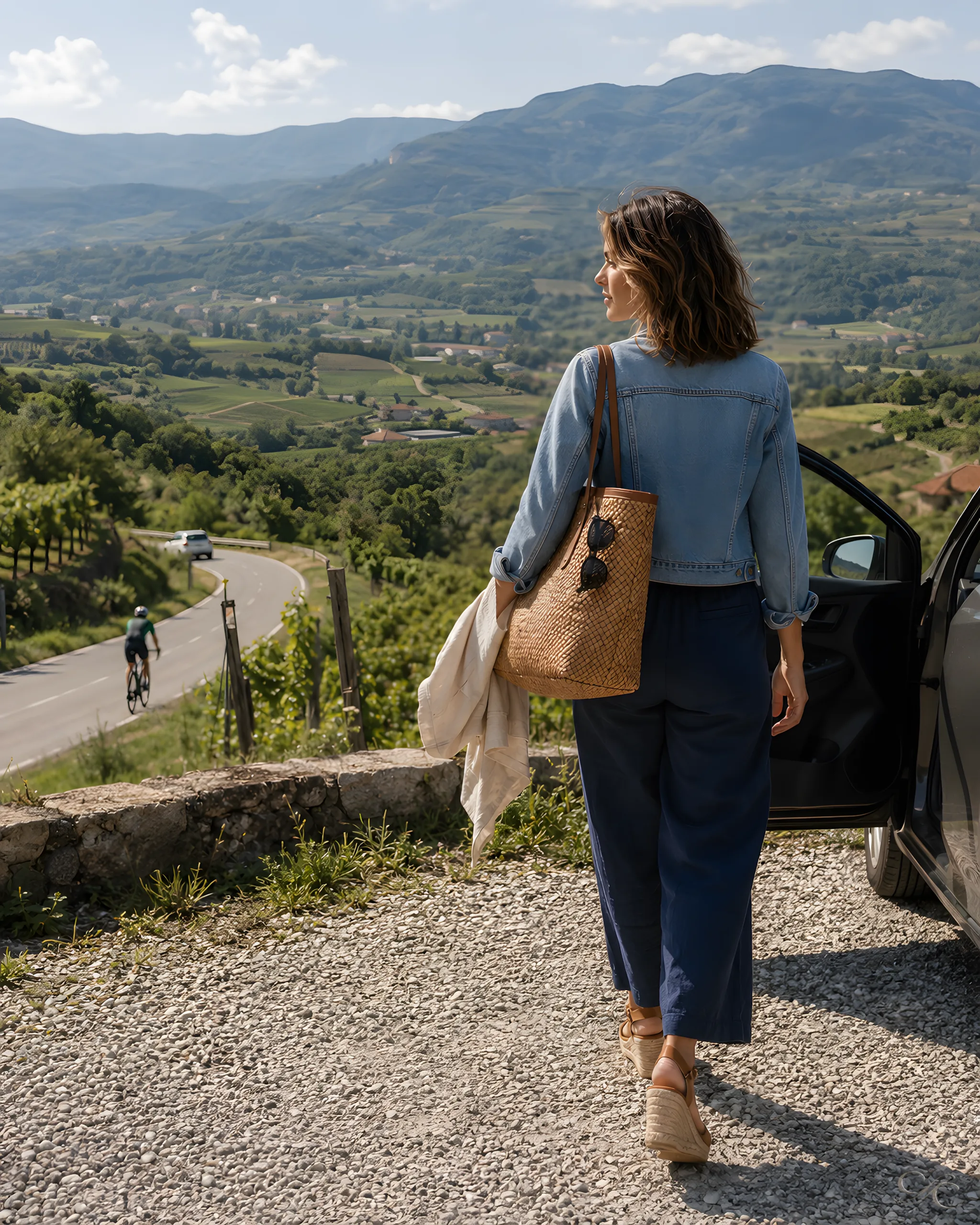
Before leaving, I drove to a quiet overlook above the valley. From there, the vineyards spread across broader ground, with villages set into the open landscape and mountains beyond them. It was different from Brda’s enclosed hills and fortified villages, but still closely tied to daily work.
🍷 Wines to Try in Slovenia
Wine in western Slovenia reflects two neighboring regions with very different personalities. Goriška Brda is known for hillside vineyards, family wineries, and Rebula, while the Vipava Valley combines traditional varieties with more contemporary winemaking. If I were choosing just a few bottles to bring home, these are the ones I would look for.
✓ Rebula (Ribolla Gialla)
The wine I most associate with Goriška Brda. Fresh versions are bright and lively, while others spend time on their skins or in oak for more texture and depth. It was the bottle I found myself ordering most often with local cheeses, trout, and long lunches overlooking the vineyards.
✓ Zelen
A white grape found almost exclusively in the Vipava Valley. Light, fresh, and gently herbal, it suited warm afternoons and simple local dishes. It felt like one of those wines that makes the most sense when you’re drinking it where it is grown.
✓ Pinela
Another traditional Vipava variety with crisp citrus and orchard-fruit character. I enjoyed it before lunch or alongside lighter meals, especially when the food let the wine stay in the foreground.
✓ Orange (Skin-Contact) Rebula
Several Brda producers make Rebula with extended skin contact, creating amber-colored wines with more texture and structure. If you’ve never tried an orange wine, this is one of the best regions to discover why the style has become so closely associated with Slovenia.
My Notes
✓ Best time to visit: Late May through June or September is the best time to visit Slovenia, when the vineyards are active but the roads and wineries are less crowded. Harvest season brings a different energy, but spring and early summer make it easier to spend time talking with producers rather than rushing between appointments.
✓ Where to stay: Stay near Šmartno or another village in Goriška Brda if you want evening walks, small cafés, and wineries within a short drive. In the Vipava Valley, choose a guesthouse close to the vineyards so you can enjoy the quieter pace without spending too much time on the road.
✓ What surprised me: Although Goriška Brda and the Vipava Valley are less than an hour apart, they feel like two different wine regions. Brda revolves around hilltop villages and terraced vineyards, while Vipava opens into a broader valley where the landscape, wineries, and daily pace all change.
✓ Wine to try: Start with Rebula while you’re in Brda, then compare it with Zelen or Pinela in the Vipava Valley. Tasting the local varieties where they are grown makes the differences between the two regions much easier to appreciate.
✓ What to wear: Comfortable walking shoes are more useful than fashionable ones. Vineyard paths, medieval stone lanes, and cellar steps are all part of the experience. Lightweight layers also help, especially when cool cellar visits alternate with warm afternoons in the vineyards.
✓ Worth making time for: Don’t treat Brda and Vipava as a checklist of wineries. Leave time for a village walk, a long lunch at a family winery, and a quiet stop at an overlook. Those unhurried moments often become the ones you remember most.
The Journey Continues
When I left Vipava, the road still passed vineyards, farm buildings, and villages tucked below the mountains. Brda stayed with me as stone lanes, hilltop views, and glasses of Rebula poured close to the vines. Vipava added a broader landscape: open valleys, practical cellars, and the burja spoken of as part of everyday work.
Together, they made western Slovenia feel closely connected to the people farming it. Wine never seemed separate from lunch, family houses, terraces, or the roads between villages.
The journey wasn’t finished, only changing direction. Beyond the mountains, the route continued north toward cities where cafés replaced vineyard terraces, church spires rose above medieval streets, and another chapter of Central Europe was waiting to be explored..
If you’re planning a trip to Croatia, Slovenia, or Italy’s northeastern wine regions, 💬 chat with me for ideas on timing, wine, where to stay, and how to shape the journey naturally.
À bientôt,
Camille ✨