Santorini – White Stone, Salt Air, and Slow Evenings
Santorini is one of those places everyone thinks they already know before arriving.
You see the white villages constantly across Instagram, travel magazines, cruise advertisements, and films to the point that it almost risks feeling overly familiar before you ever arrive on the island itself.
What surprised me most was how quickly that feeling disappeared.
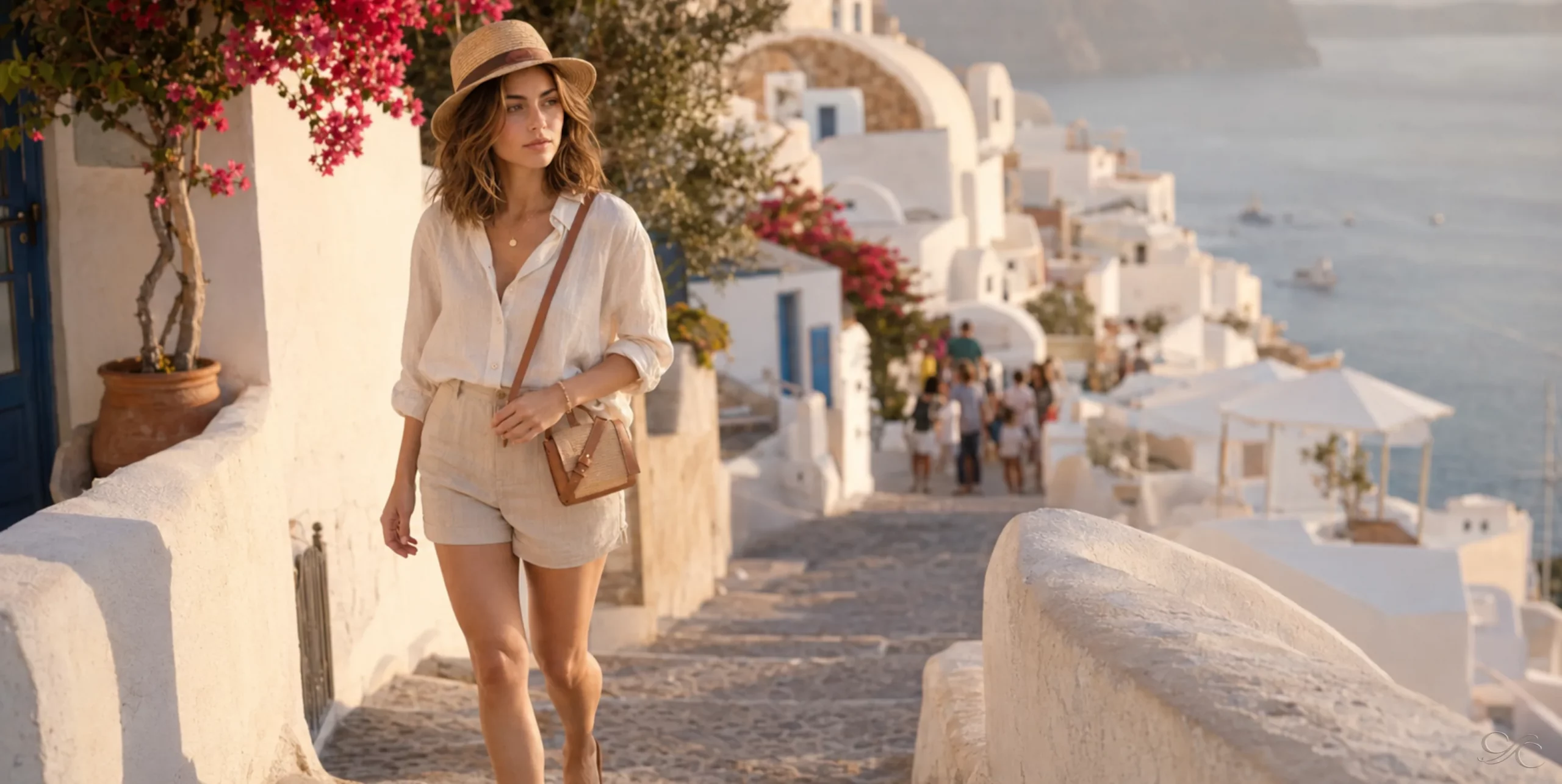
The first evening, I walked through Oia just before sunset while the stone pathways were still warm from the afternoon sun. Bougainvillea spilled across white walls above the caldera, church bells echoed softly between the cliffs, and the wind carried a mixture of sea air and grilled fish from nearby terraces preparing for dinner service.
It felt quieter than I expected.
Not physically quiet. Santorini is still Santorini. But emotionally, it felt quieter than I expected.
Once I moved beyond the viewpoints and camera lines, the island started feeling older and more grounded beneath the polished travel imagery. You start noticing how tightly the homes are built into the volcanic cliffs, how narrow the pathways become away from the main promenades, and how daily life still moves through spaces shaped centuries before modern tourism arrived.
For a few spring days, I walked between cliff side cafés, old stone pathways, volcanic coastlines, small family tavernas, and vineyards growing from dark mineral soil above the sea.
And slowly, the island began to make sense.
→ Ask Camille for what to wear, where to stay, or how to shape your days 🤍
Discovering Fira
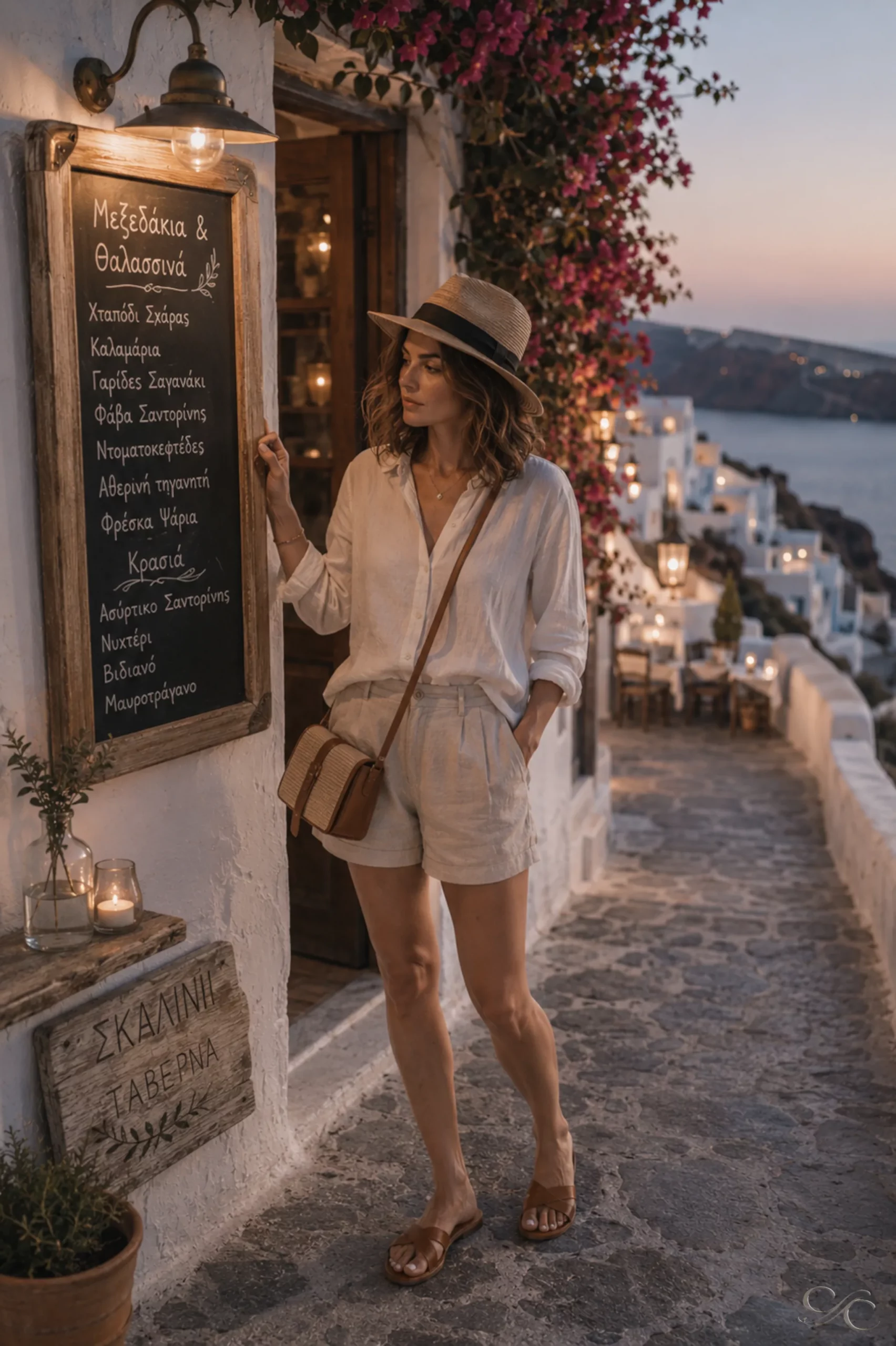
Some of my favorite moments in Santorini happened away from the viewpoints.
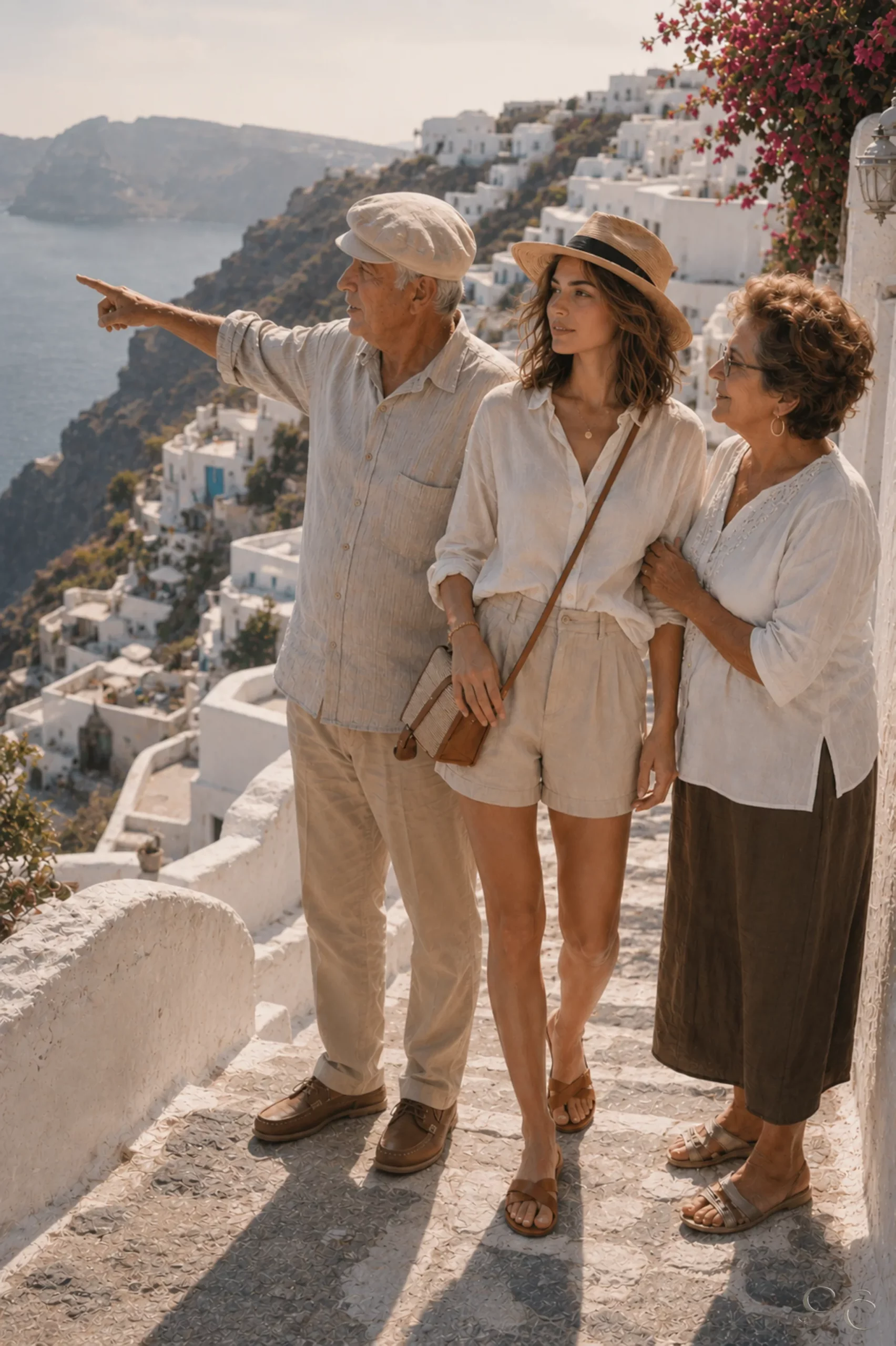
One afternoon, an older couple stopped beside me near the edge of the caldera and pointed across the cliffs toward a small white chapel hidden between the houses below Oia. We ended up talking for nearly fifteen minutes about how much the island changes between winter and summer, and how quickly the pathways empty once the cruise visitors leave in the evening.
That contrast surprised me throughout the trip. Santorini can feel intensely busy for a few hours, then suddenly calm again once the light begins to soften.
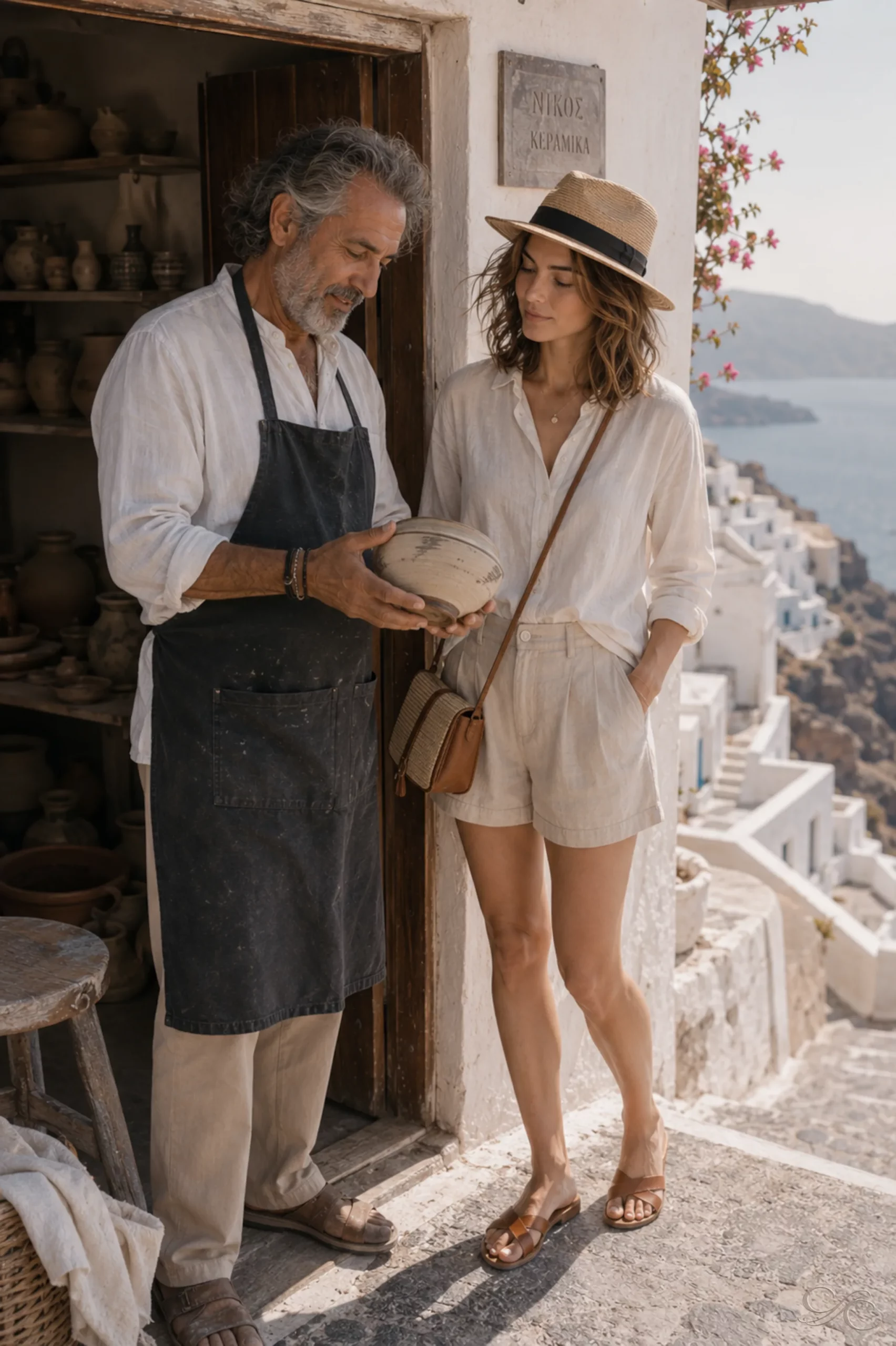
I also started noticing how much daily life still exists quietly behind the postcard imagery. Small kitchens built directly into the cliffs. Family workshops tucked into narrow stone passages. Terraces no wider than a doorway overlooking the sea hundreds of feet below.
The island’s architecture evolved out of necessity more than aesthetics. Many of the homes and cave dwellings were designed to stay cool during the summer and protected from the strong Aegean winds that move across the caldera throughout the year.
By early evening, the atmosphere changed again.
Lanterns began glowing outside cafés, dinner tables slowly filled along the pathways, and the white walls surrounding Fira and Oia started reflecting the softer blue tones of the sea below. I found myself lingering longer than expected almost everywhere.
Café Pause & Cliff Walks
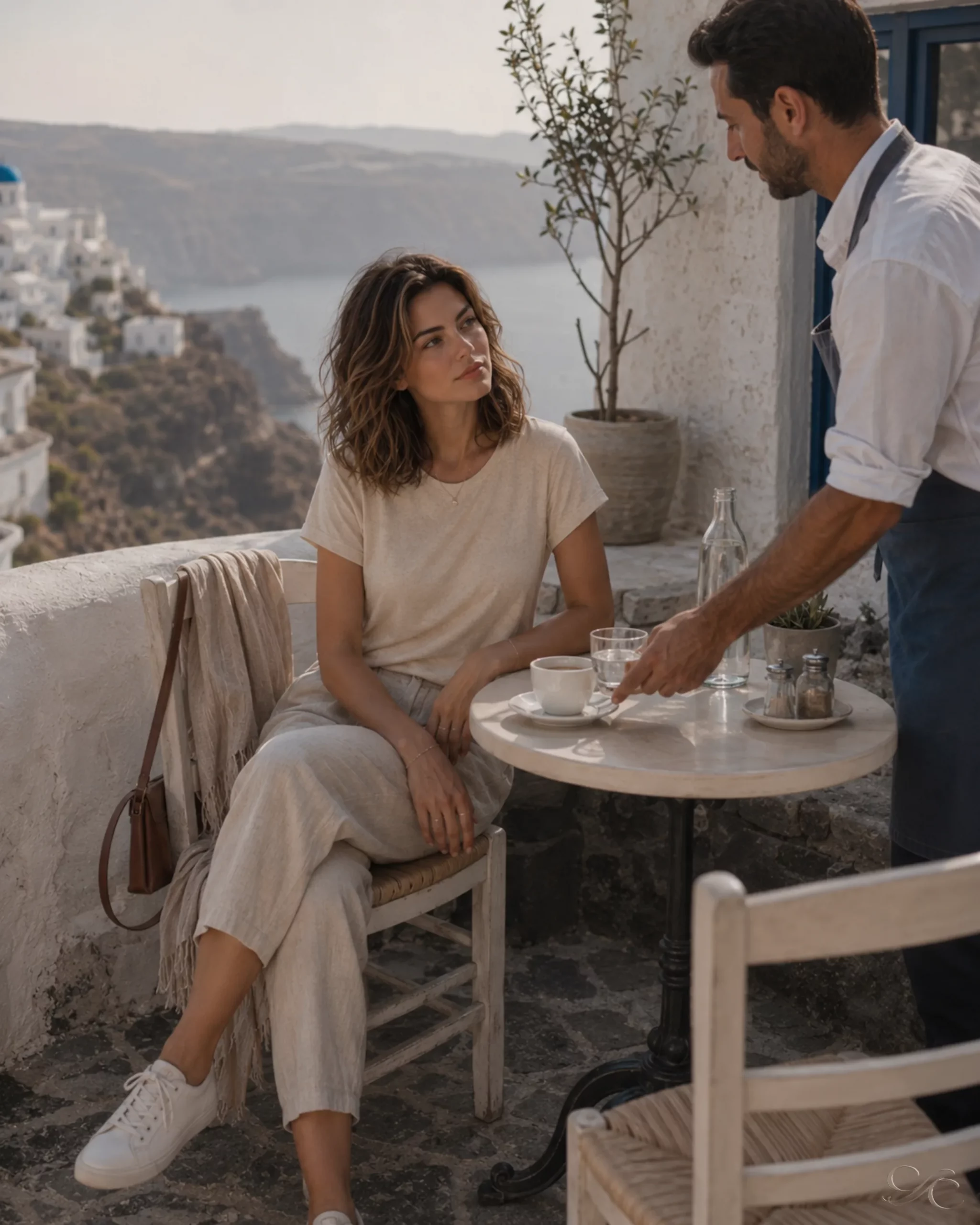
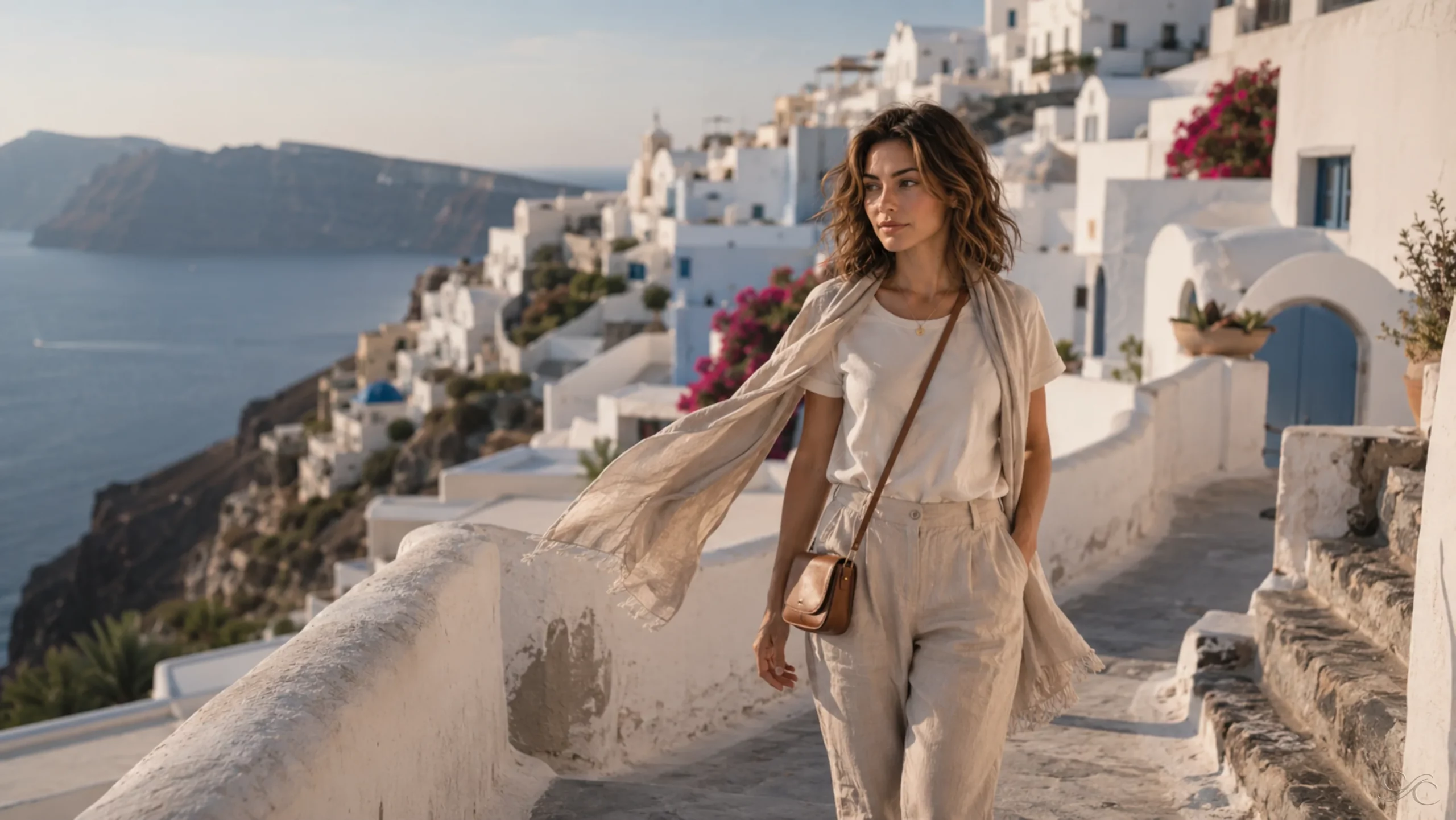
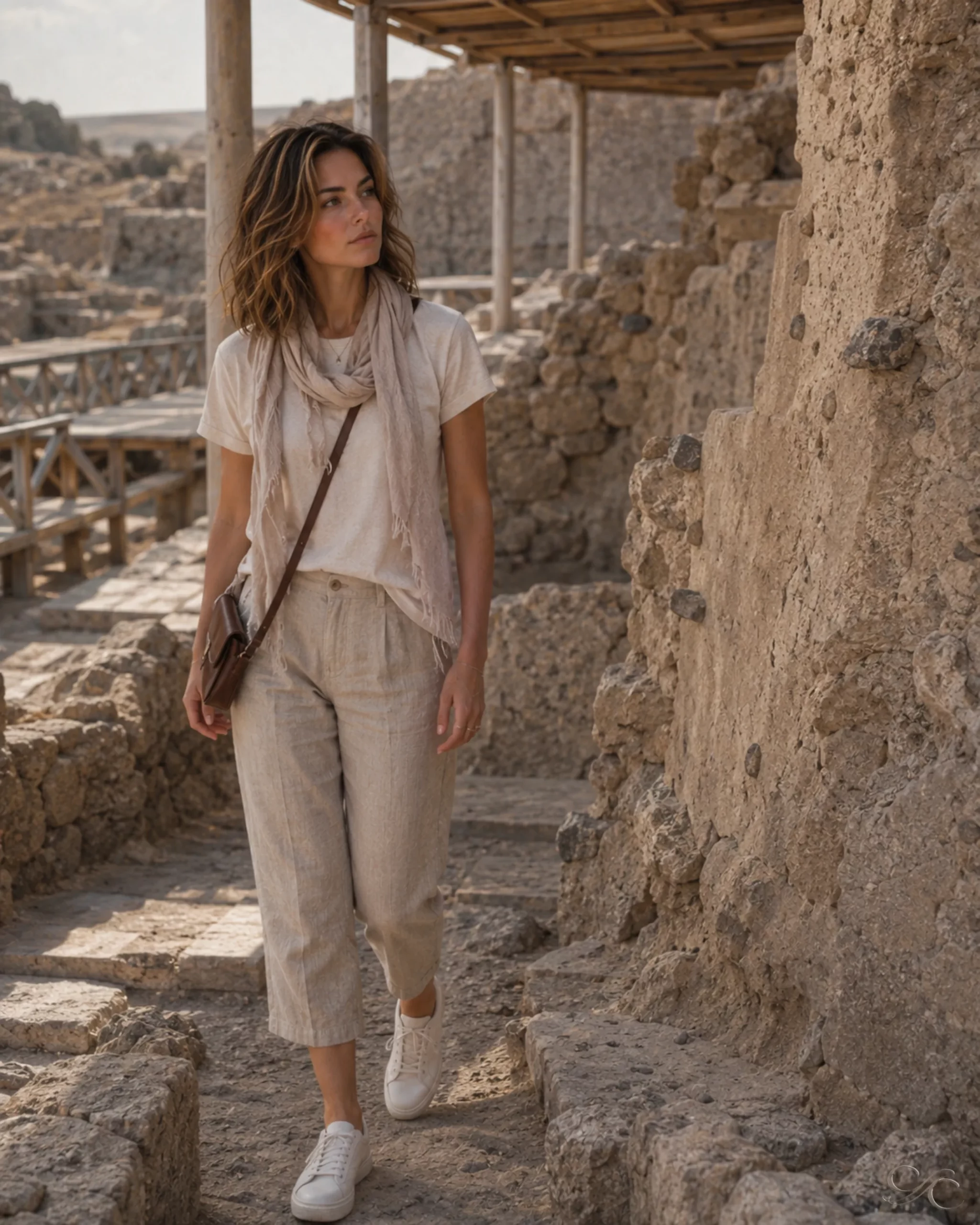
Mornings in Santorini begin quietly.
Coffee arrives slowly. Chairs scrape softly across stone terraces. Before the afternoon heat settles over the cliffs, the sea below the caldera reflects pale silver light back toward the villages above.
I started most mornings with coffee somewhere along the edge of Oia or Fira, usually before the pathways became crowded. For a few hours, the island still feels local. Shop owners sweep the stone steps outside their doors. Delivery carts move through the narrow passages. Small kitchens begin preparing for lunch service long before visitors fill the terraces later in the day.
Away from the main promenades, Santorini becomes rougher and older.
Some of the older pathways still follow routes shaped long before tourism transformed the island. Volcanic stone walls, weathered staircases, and cave-style structures appear almost everywhere once you move a few streets back from the caldera views.
The island’s architecture evolved partly from necessity. Thick whitewashed walls helped reflect heat during the summer, while many homes were built directly into the cliffs for insulation against both heat and strong Aegean winds.
By afternoon, most people retreat from the heat for a few hours before the cafés and terraces fill again at sunset.
Want help refining this for your trip? Ask Camille 🤍
The Volcanic Coast
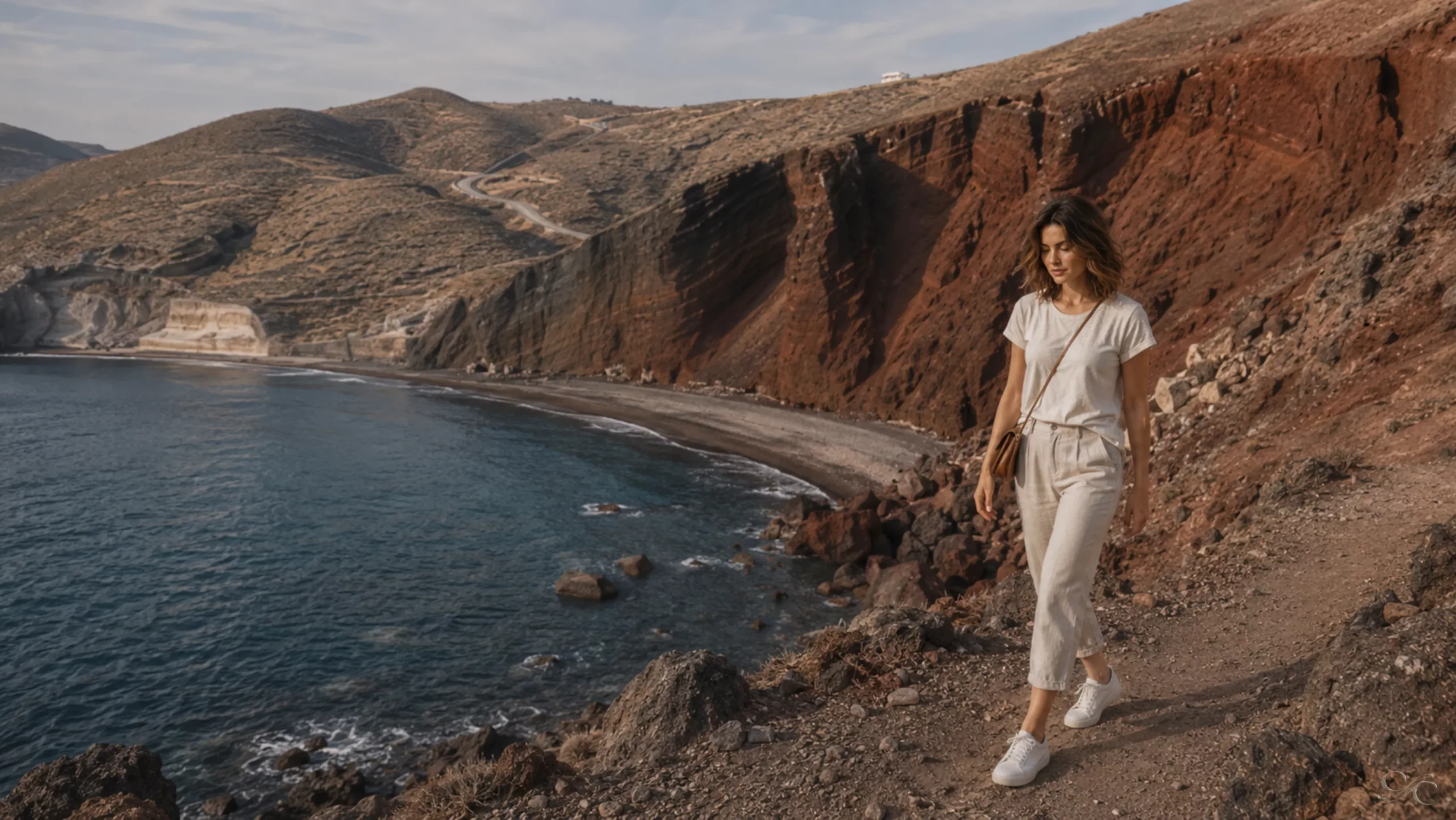
Most people picture Santorini as white villages and blue water, but the southern coastline feels completely different.
The landscape becomes darker, rougher, and far less polished than the caldera villages around Oia and Fira. Black sand beaches, red volcanic cliffs, and dry hills shaped by wind and heat stretch across the island toward the sea.
Walking along the coast near Red Beach, it becomes much easier to understand that Santorini is still the remains of a volcanic crater. The cliffs surrounding the island were formed by one of the largest volcanic eruptions in recorded history, sometime around the 16th century BC. Many historians believe the eruption contributed to the collapse of the Minoan civilization centered nearby on Crete.
Even now, the volcanic landscape still shapes daily life on the island. The soil affects everything from the architecture to the vineyards growing across the hillsides above the sea.
The southern coast is noticeably quieter. Once away from the caldera viewpoints, the island becomes less about scenery and more about geology, weather, and the feeling of being surrounded by open water.
Camille can refine this look for your style and timing 🤍
Twilight Above the Caldera
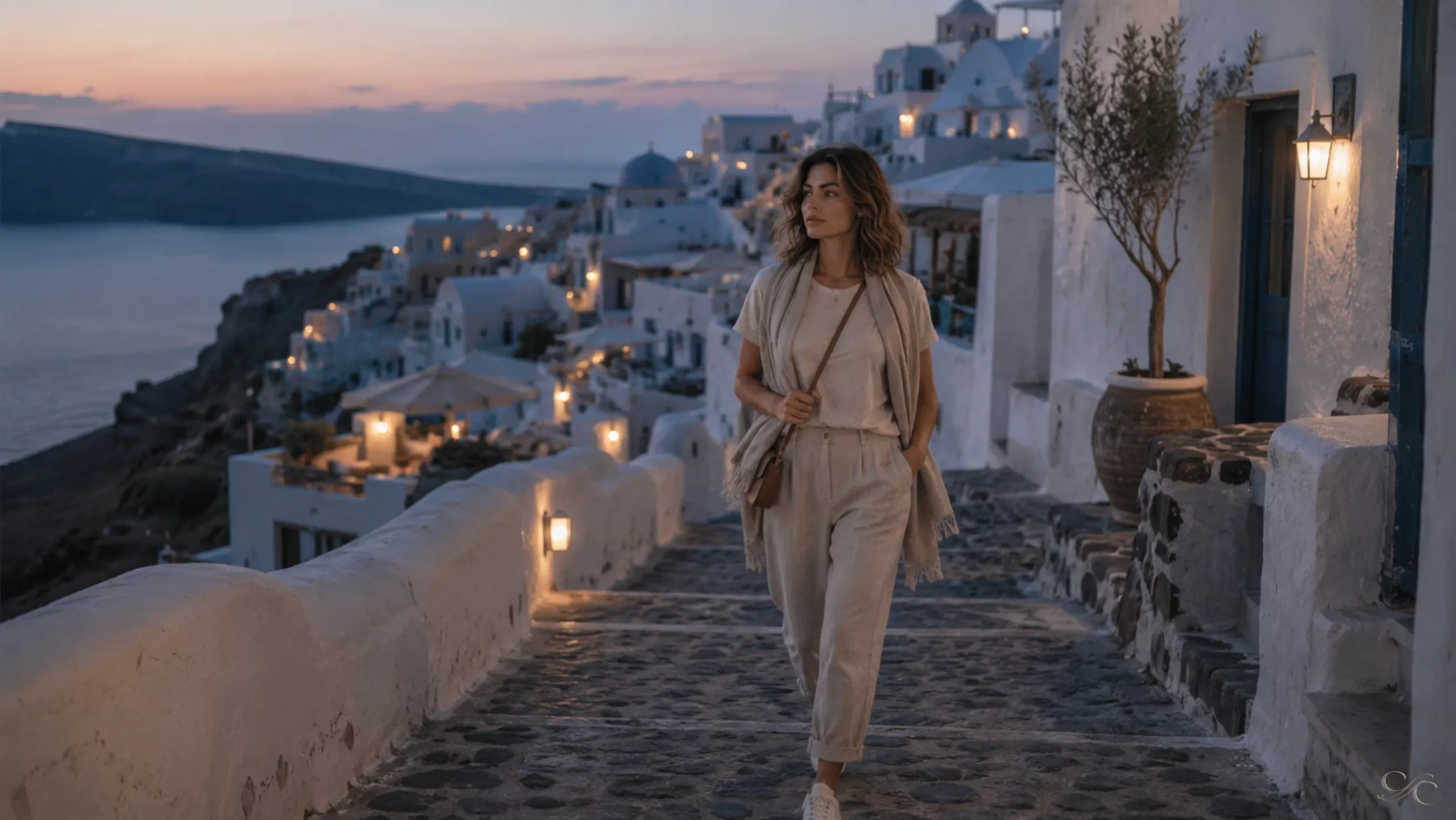
Santorini changes quickly after sunset.
By early evening, many of the day visitors begin leaving the pathways around Oia and Fira, and the villages become noticeably calmer. Restaurant lights slowly appear along the cliffs, conversations drift from open terraces, and the white walls begin reflecting the softer blue tones of the sea below.
I ended up walking far more at night than I expected.
Without the midday heat and crowds, the island becomes easier to absorb. You start noticing details that disappear during the busiest hours: narrow staircases between homes, small courtyards hidden behind wooden doors, and the sound of dinner service moving through the terraces above the caldera.
The evenings also feel more connected to the island’s older character. Santorini may be one of the most photographed places in Europe, but after dark it still feels surprisingly residential in certain corners away from the main viewpoints.
Some of my favorite moments happened simply walking back through the villages after dinner while the cliffs grew quieter and the lights slowly reflected across the water below.
Sailing the Caldera
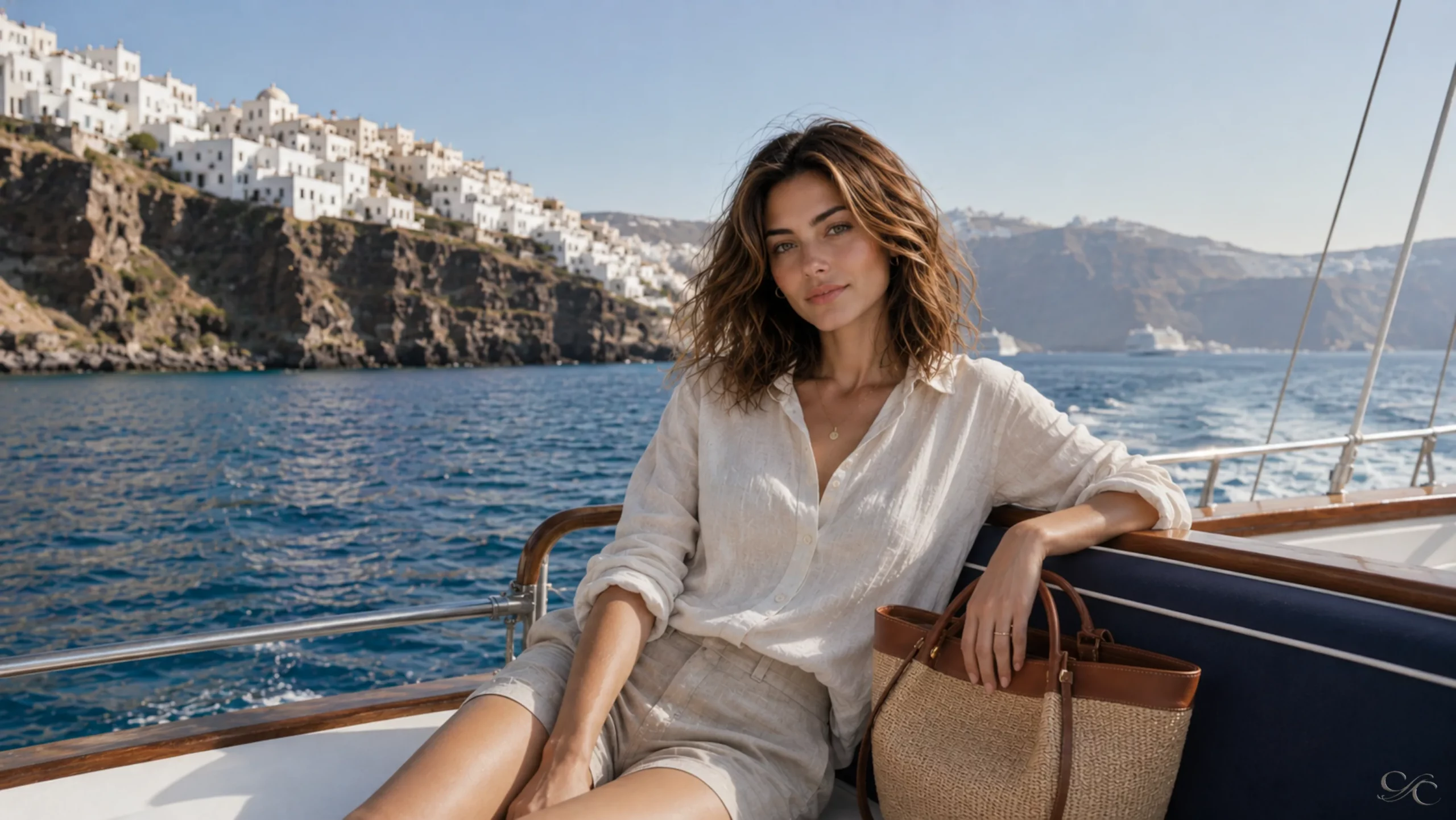
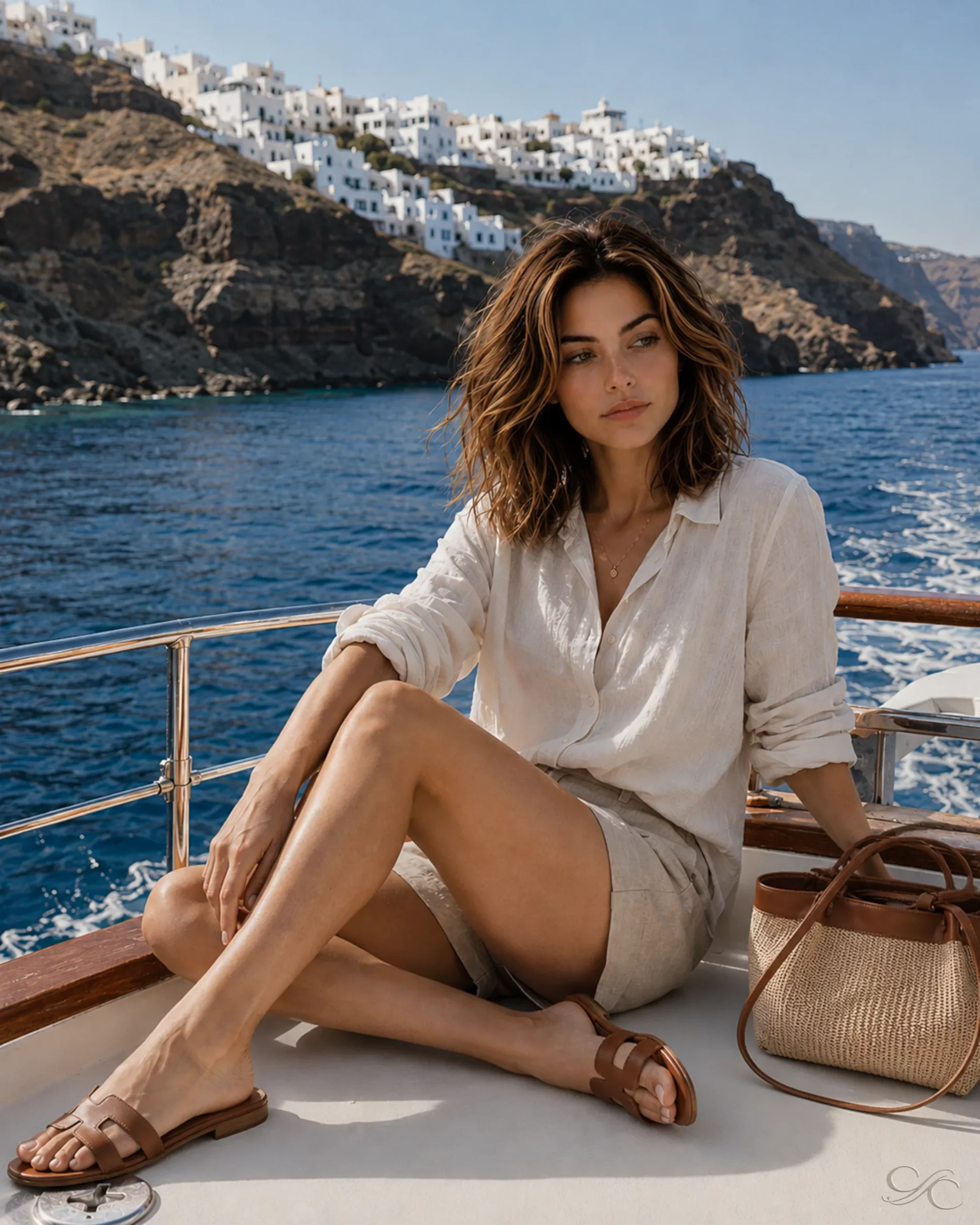
The next morning began on the water.
Seen from the caldera itself, Santorini looks completely different. The volcanic cliffs rise sharply out of the sea while the white villages above almost seem suspended along the edge of the island.
From the boat, it also becomes easier to understand the geography of Santorini. What appears compact while walking through Oia or Fira is actually spread across steep cliffs formed by the collapse of the volcanic caldera thousands of years ago.
The coastline feels harsher from the water. Dark rock formations cut directly into the sea beneath the villages, and the scale of the cliffs becomes much more obvious once you move farther away from shore.
Most of the morning passed slowly. Salt air, sun-warmed wood, and long stretches of open water made the island feel quieter again after the crowded pathways above the caldera the evening before.
Santorini Wine Country
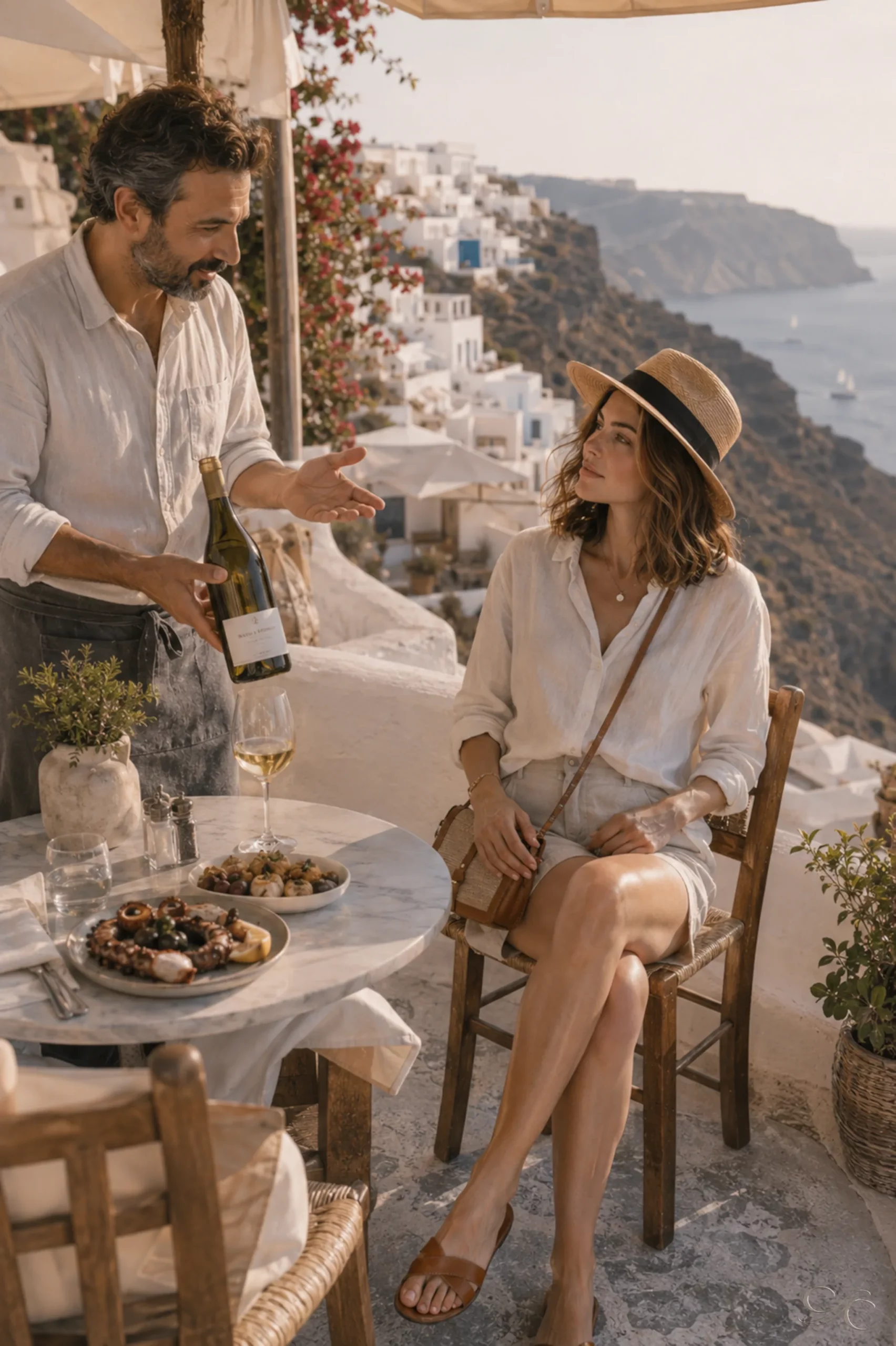
Wine has been produced on Santorini for thousands of years, long before the island became an international travel destination.
The volcanic soil and dry climate create growing conditions that are very different from mainland Greece. Strong winds moving across the caldera force many vineyards to train their vines low to the ground in woven basket shapes called kouloura, which help protect the grapes from both wind and intense summer heat.
Most vineyards on the island remain relatively small, and many still rely on traditional growing methods shaped by
the landscape itself rather than large-scale production.
During the tasting, I sampled several local varieties while overlooking the dry volcanic hillsides above the sea. The wines felt distinctly tied to the island: mineral, structured, and noticeably influenced by the salt air and volcanic soil surrounding the caldera. The volcanic landscape feels very different from the softer coastline and harbor atmosphere I experienced earlier in Crete.
🍷 Wines to Try in Santorini
White Wines
Dessert Wine
Red Varieties
Red wines are less common on Santorini because of the island’s dry conditions and strong sun exposure, but a few local producers work with traditional Greek varieties in small quantities.
Dinner Above the Sea
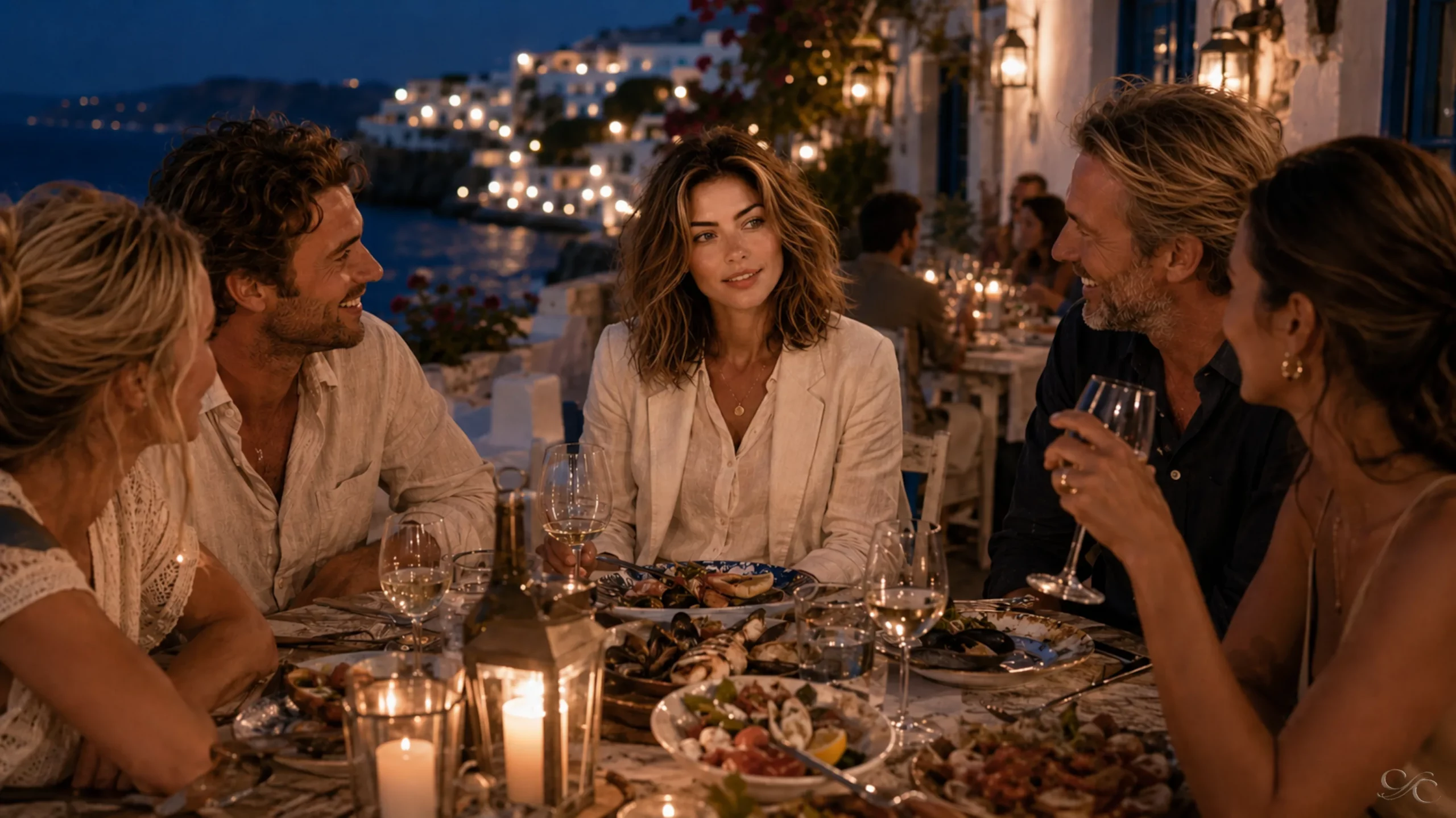
The day ended the same way most days on the island seemed to unfold: slowly.
Dinner often began late, usually after the last of the sunset crowds drifted away from the pathways above the caldera. By then, the terraces felt calmer again. Candles flickered between tables, conversations carried softly through the warm evening air, and the cliffs below disappeared almost completely into the darkness beyond the villages.
Greek dinners tend to stretch longer than many visitors expect. Small plates arrive gradually, wine is poured continuously, and nobody seems especially interested in rushing through the evening.
One of the things I appreciated most about Santorini was how social the island still feels once the day quiets down. People linger. Restaurant owners stop to talk. Tables expand as friends join throughout the night.
Fresh seafood, local wine, grilled vegetables, olive oil, and simple preparations dominated most of the meals I had on the island. Nothing felt overly formal, even in beautiful settings overlooking the caldera.
By the final evening, Santorini no longer felt quite as overwhelming as it did on arrival. The crowds, viewpoints, and photographs slowly gave way to something more personal and much easier to remember.
My Notes
📘 The Journey Continues
Santorini felt more personal once I moved beyond the busiest viewpoints and crowds around the caldera.
What stayed with me most were the smaller moments: long walks through the villages early in the morning, conversations with locals above the cliffs, volcanic landscapes along the southern coast, and dinners that stretched late into the evening beside the sea.
Before arriving, I spent several days exploring Crete, from the harbor streets of Chania to the quieter beaches along the western coast. You can read more about that part of the journey here.
Next, the journey continues west toward Italy and the Amalfi Coast in early June.
The atmosphere there feels different from Santorini. The coastline is greener, busier, and more vertical, with steep roads winding between fishing villages, lemon groves, and terraces overlooking the Athenian Sea.
I’m especially looking forward to exploring the smaller towns beyond Positano, local seafood along the coast, and the slower rhythm that settles in once the day visitors leave in the evening.
If you’re planning your own trip to Santorini or the Amalfi Coast, you can always 💬 chat with me for ideas on timing, wine, where to stay, and how to shape the journey naturally.
À bientôt,
Camille ✨