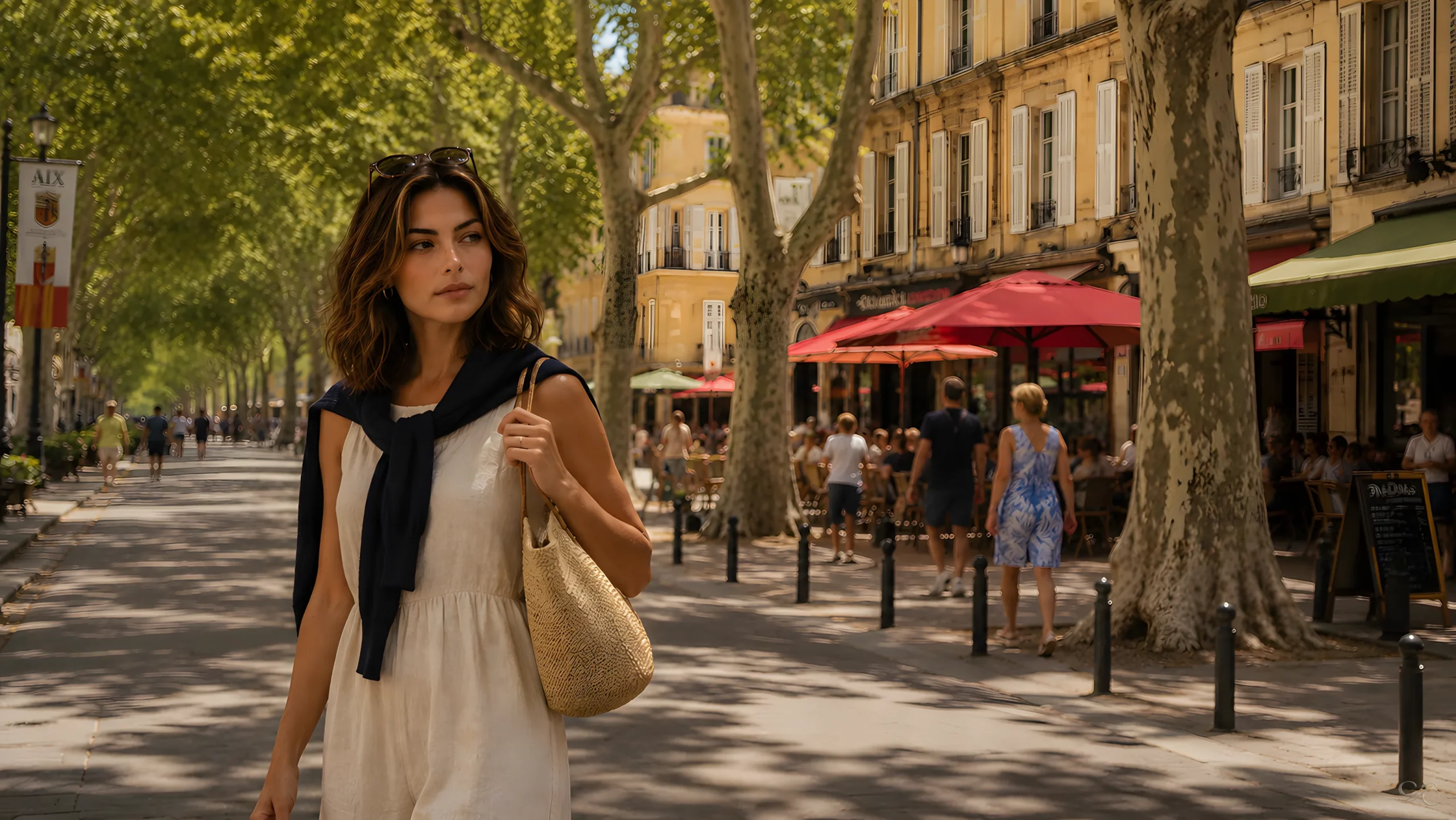
Markets, Rosé, Lavender, and the Sea: Four Days in Provence
There are places that reveal themselves immediately, and others that take a little patience.
Provence belongs firmly to the second group.
At first glance, visitors arrive expecting lavender fields, hilltop villages, and endless photographs of pale rosé beneath olive trees. Those things certainly exist. Yet after several days moving through the region, what stayed with me most were the quieter details: morning conversations at market stalls, long lunches beneath plane trees, vineyards stretching toward distant hills, and fishing boats returning to harbor at dusk.
Over four days, I traveled eastward across Provence, beginning in Aix-en-Provence before continuing through wine country, the villages of the Luberon, and finally the Mediterranean coast near Cassis.
The route was short in distance but surprisingly rich in character.
Provence feels less like a collection of destinations and more like a way of moving through the day.
→ Ask Camille for what to wear, where to stay, or how to shape your days 🤍
Aix-en-Provence: Light, Fountains, and Café Mornings
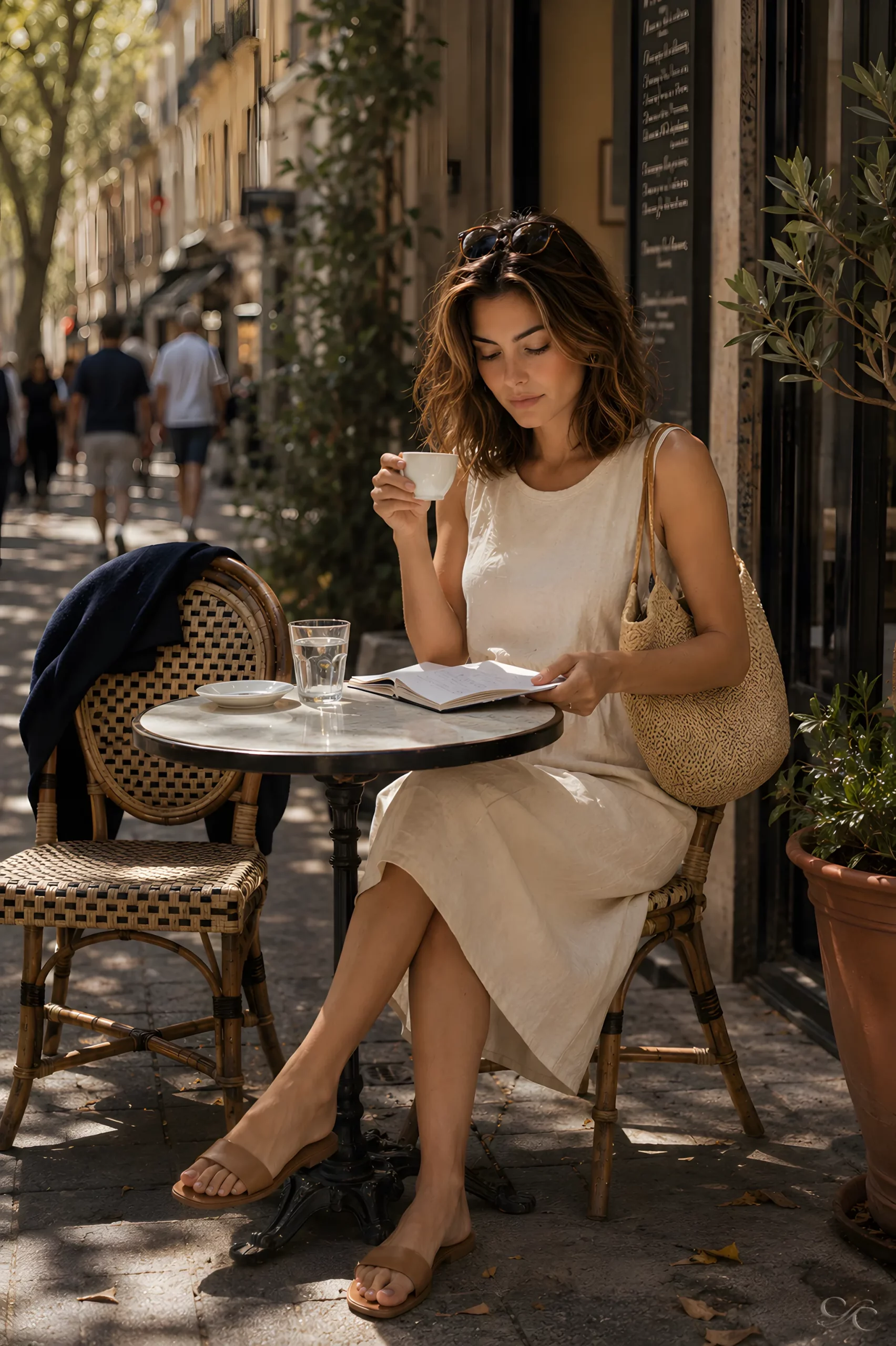
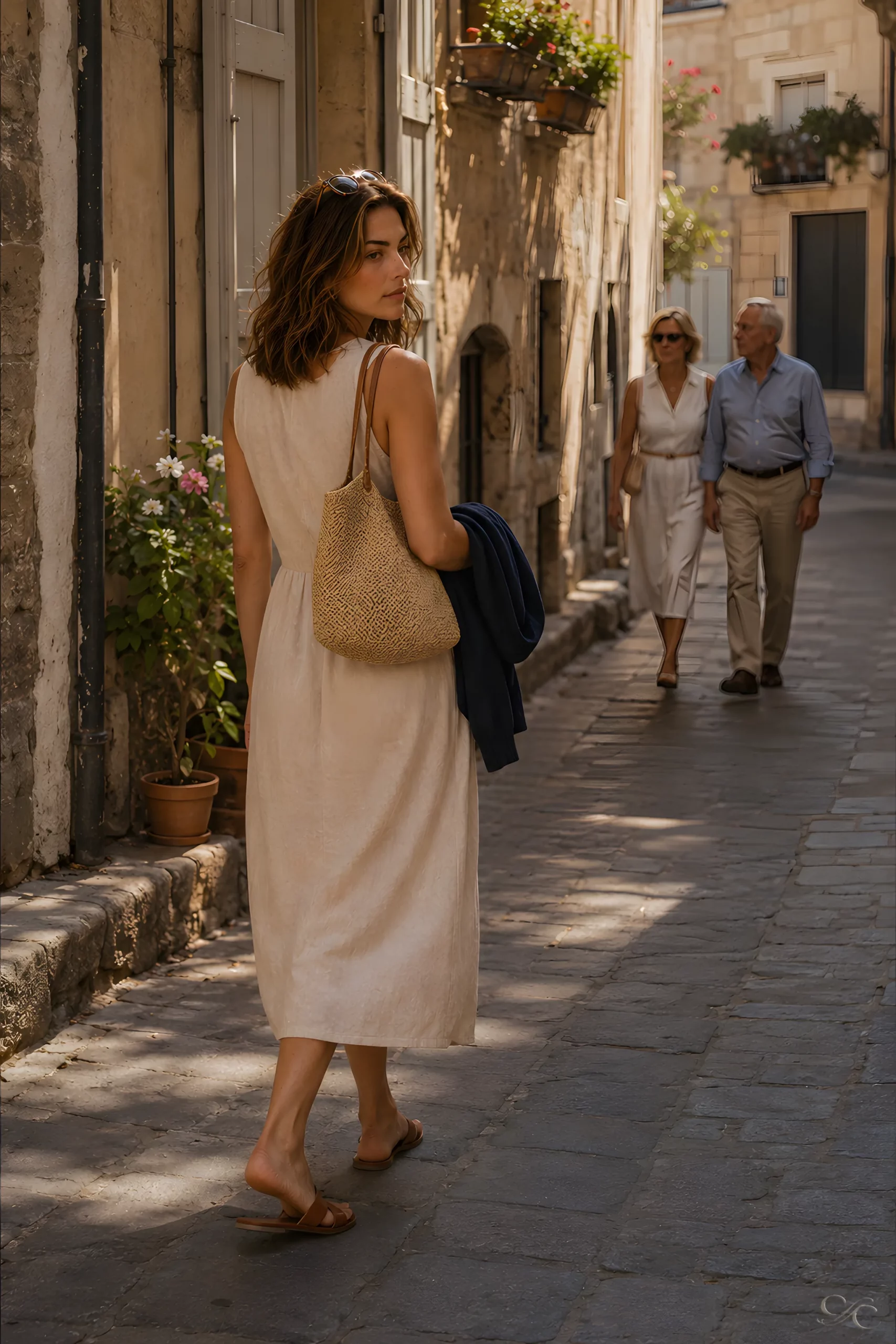
The journey began in Aix-en-Provence beneath the broad canopy of the Cours Mirabeau.
Founded by the Romans in 123 BC as Aquae Sextiae, Aix has spent more than two thousand years drawing people toward its springs, fountains, and remarkable quality of light. Centuries later, that same light would captivate Paul Cézanne, who spent much of his life painting the landscapes surrounding the city.
Even today, it remains impossible not to notice.
Visitors wanting to explore more of Aix’s markets, fountains, and Cézanne heritage can find additional information through the Aix-en-Provence Tourist Office
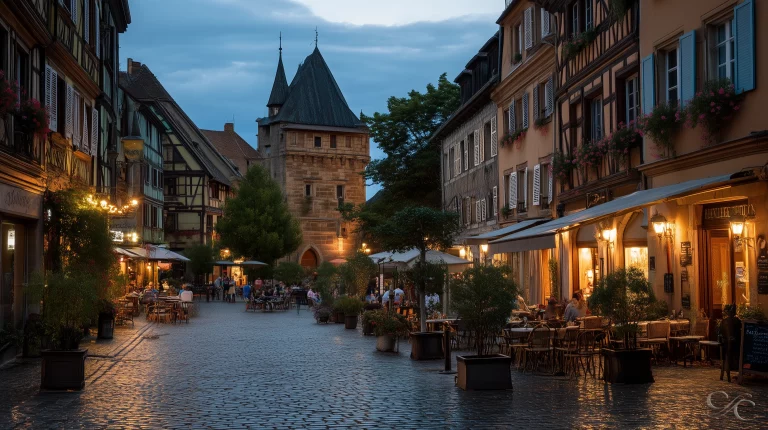
Morning sunlight filtered through rows of plane trees while cafés gradually arranged their terraces for the day. Locals lingered over coffee and newspapers. Deliveries arrived quietly. Nothing seemed rushed.
I wandered away from the boulevard into the smaller streets where Aix feels most intimate. Limestone façades glowed softly in the morning sun while flower boxes spilled from upper windows above narrow lanes polished smooth by generations of footsteps.
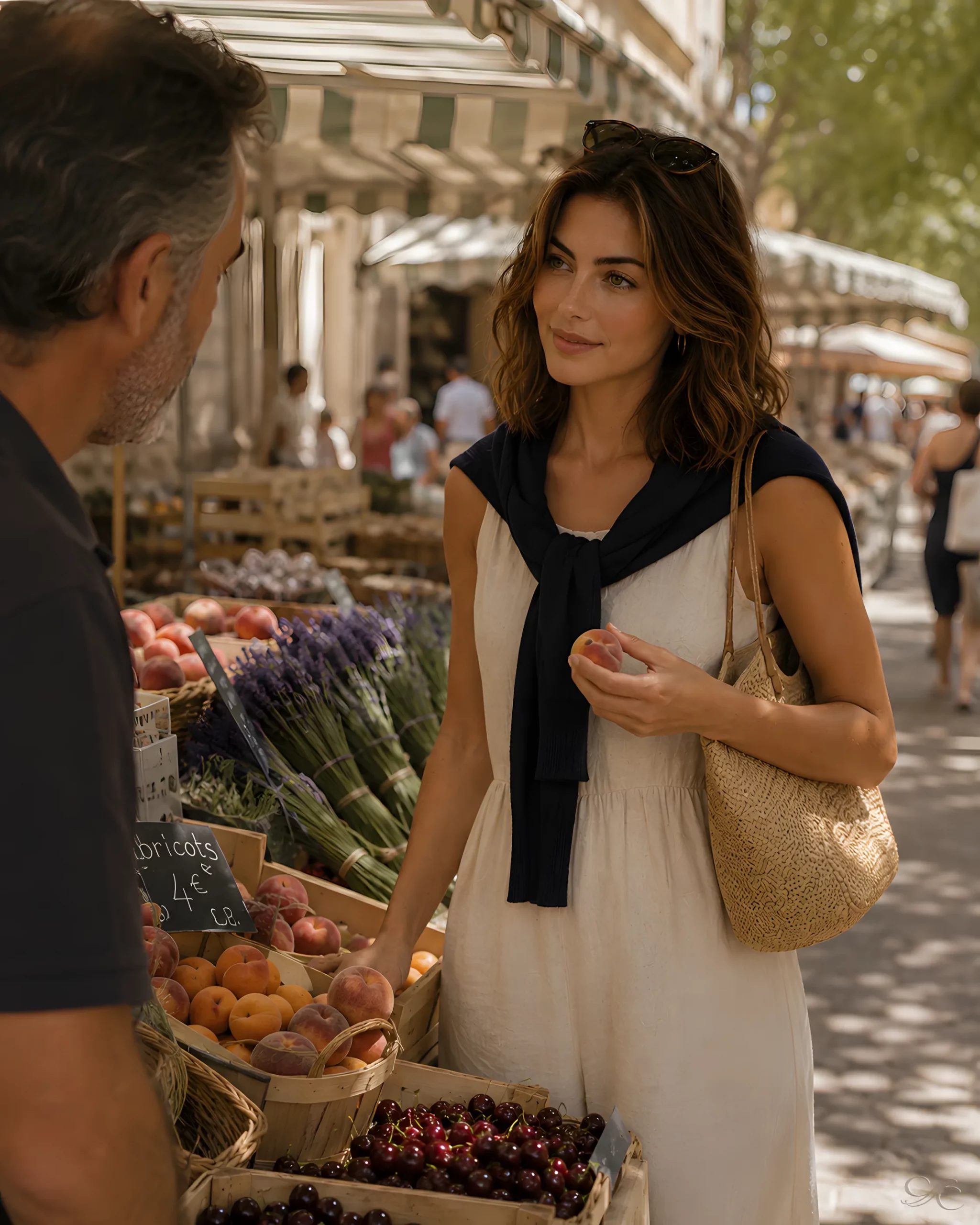
The market was already coming alive.
Vendors arranged peaches, apricots, cherries, herbs, and lavender beneath striped awnings while neighbors paused to exchange greetings before continuing their errands. The atmosphere felt more communal than commercial, as though the market existed first for the city itself and only secondarily for visitors.
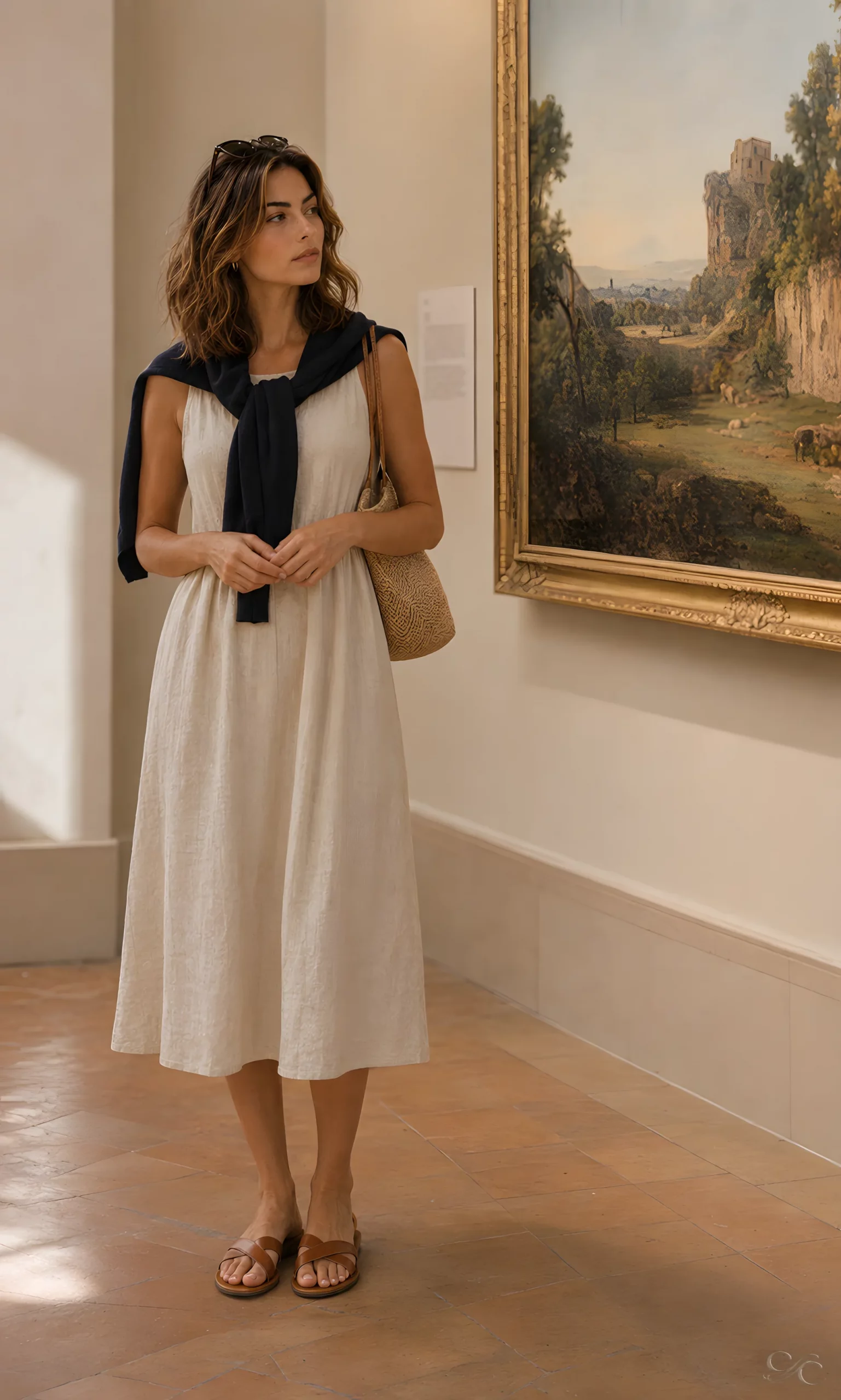
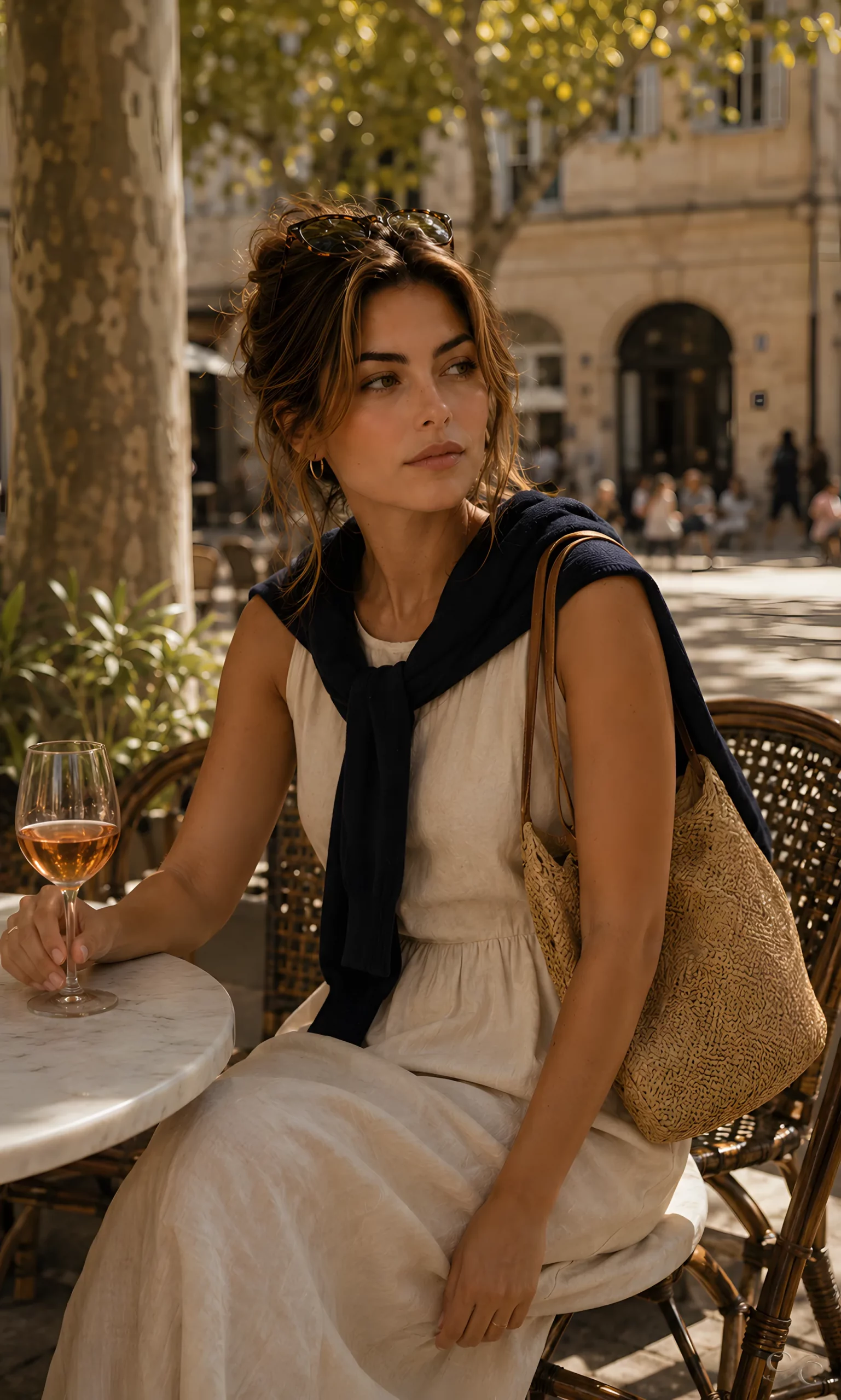
Later, I settled into a shaded café with coffee and a book.
One of the great pleasures of Provence is that people still seem comfortable doing very little. Hours can disappear beneath the trees while watching the rhythm of a city unfold around you.
The afternoon ended inside the galleries of the Musée Granet, where centuries of Provençal art offered another perspective on the landscapes I would continue exploring throughout the week.
As evening approached, the terraces filled once again.
A glass of local rosé in the fading light felt like the proper introduction to Provence.
Want help refining this for your trip? Ask Camille 🤍
Vineyards, Sculpture, and Long Lunches
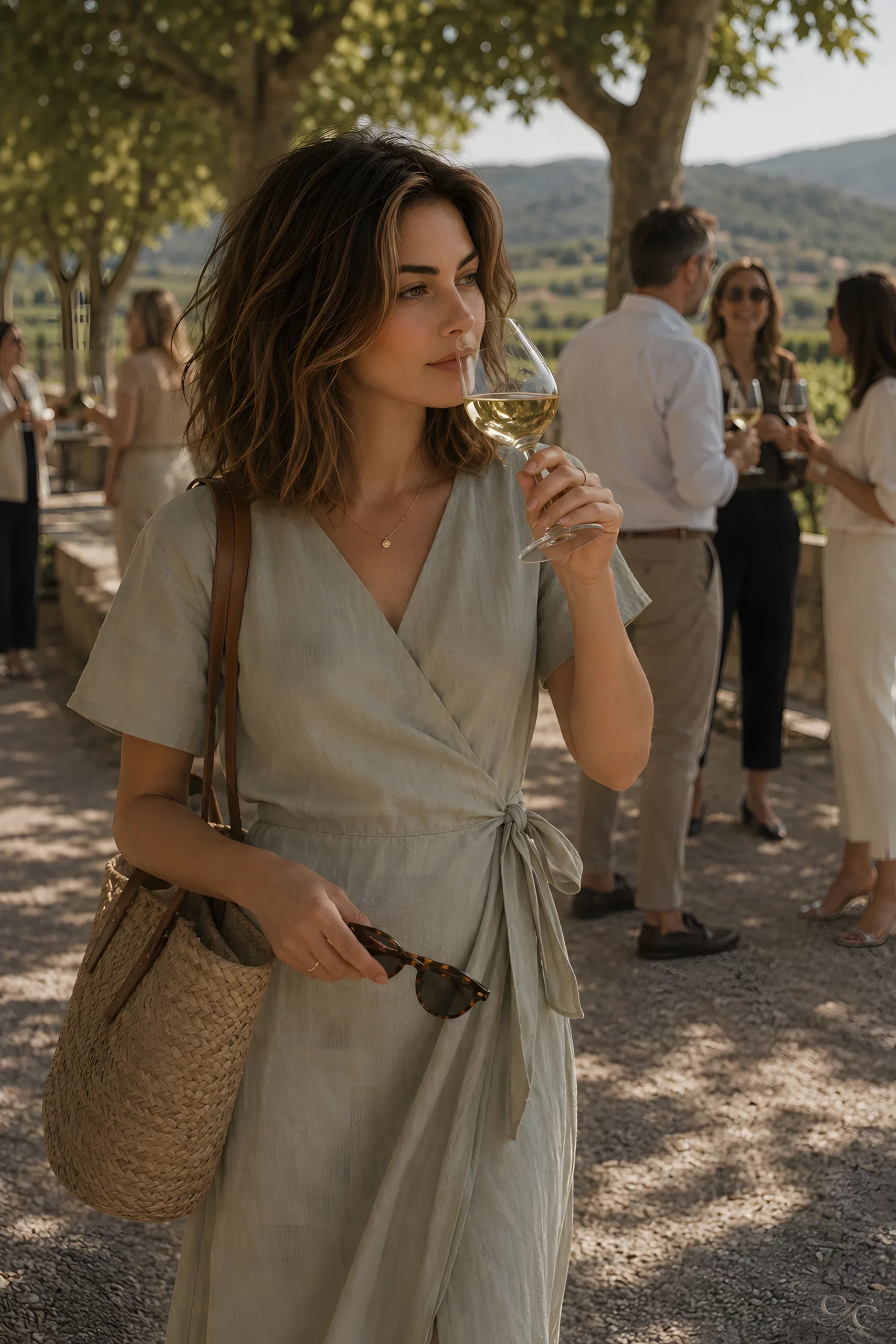
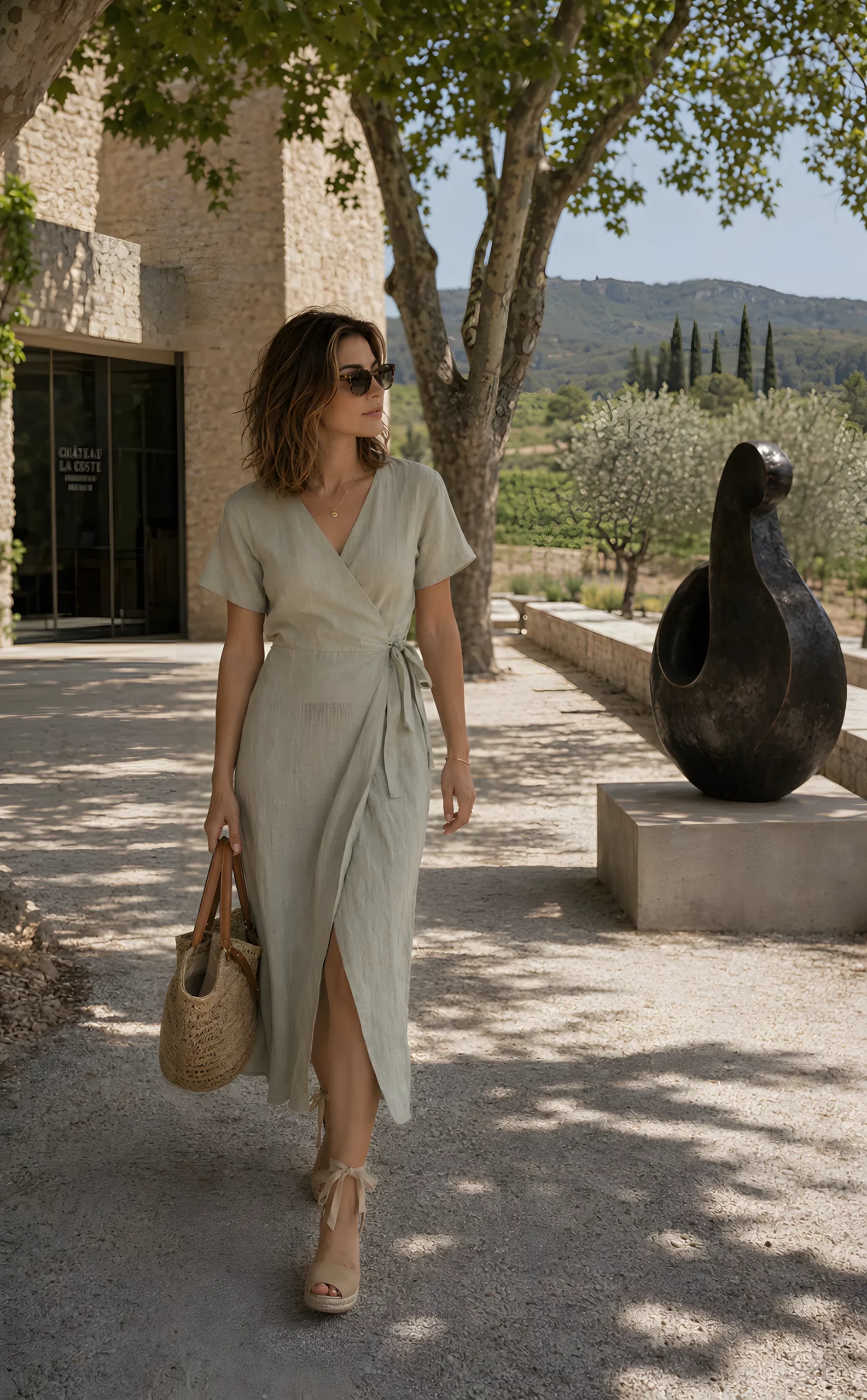
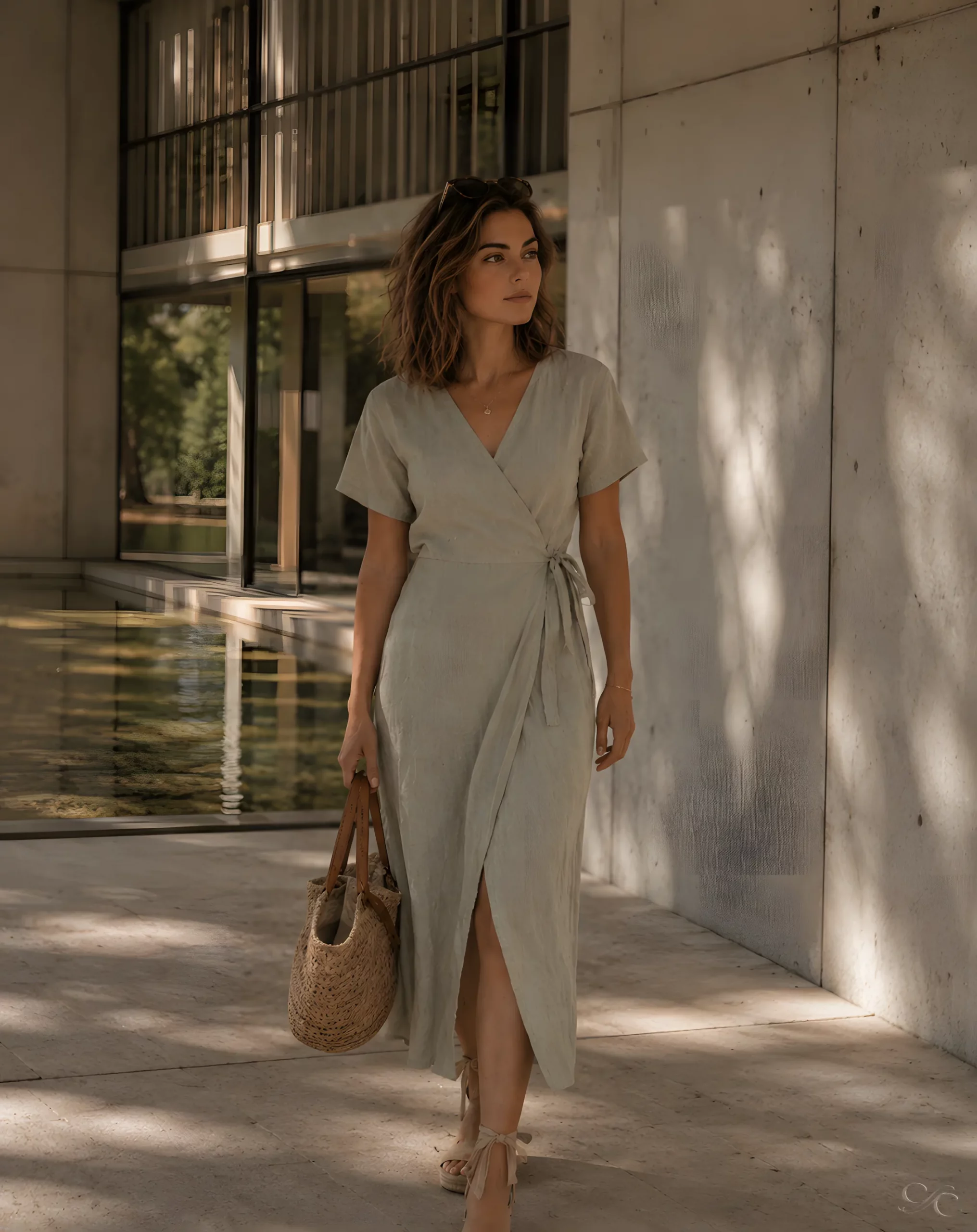
The following morning led north into wine country.
Long before Provence became associated with lavender and summer holidays, vines were already growing here. Greek settlers introduced viticulture to southern France more than 2,500 years ago, making this one of the oldest wine-producing regions in the country.
The landscape still reflects that history.
Rows of vines stretched across gently rolling hills beneath olive groves and cypress trees while pale limestone buildings seemed almost to emerge naturally from the terrain.
At Château La Coste, contemporary architecture and art installations coexist with centuries-old agricultural traditions. Sculptures appear unexpectedly among vineyards, reflecting pools mirror the surrounding landscape, and the entire estate encourages visitors to slow down and move through the countryside rather than simply observe it.
A tasting beneath the trees introduced several regional wines, including the pale rosés for which Provence has become famous.
Their color is often almost translucent.
Their flavor, however, is anything but delicate.
Fresh citrus, stone fruit, herbs, and minerality seem perfectly suited to warm Mediterranean afternoons.
Yet the most memorable part of the day arrived later.
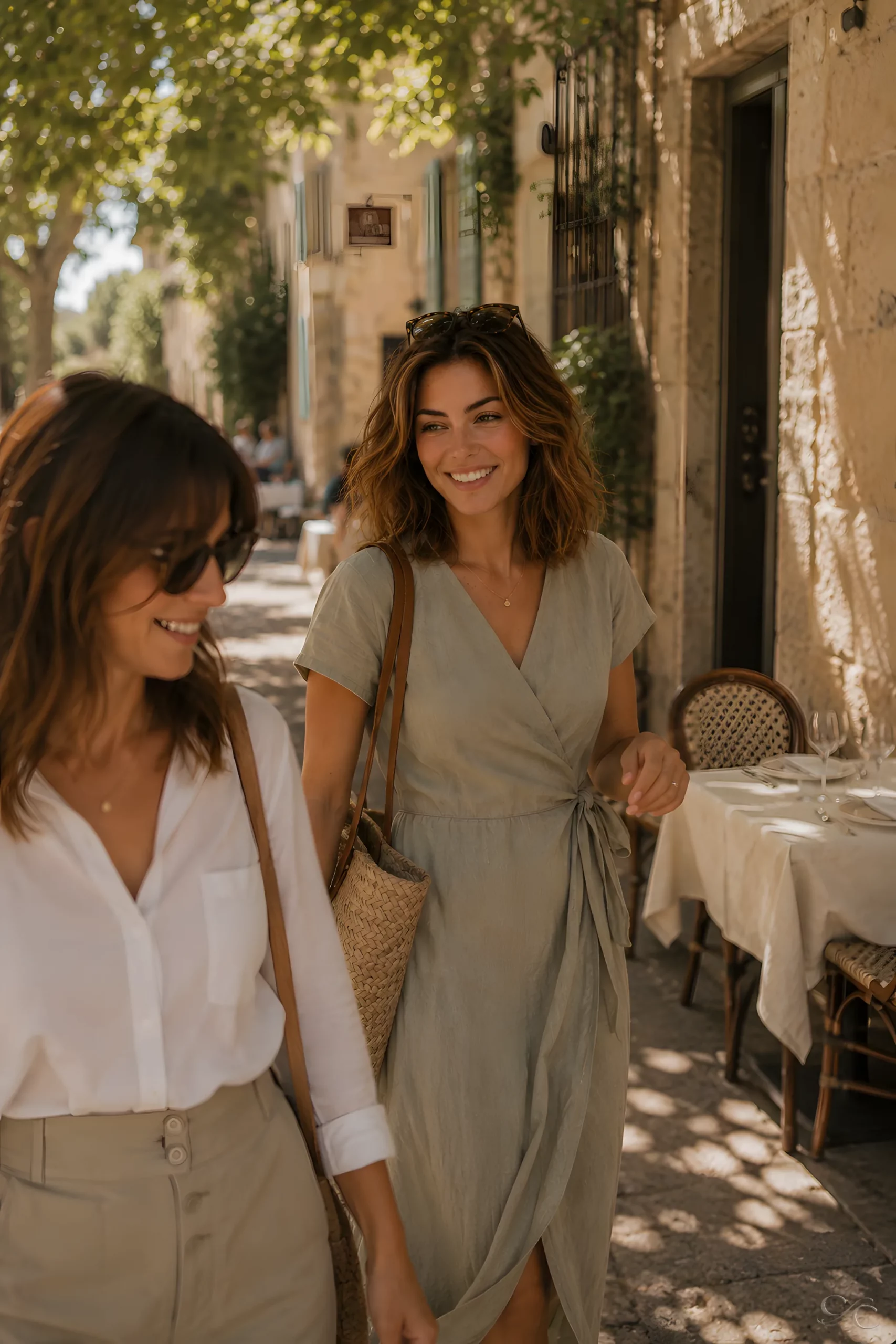
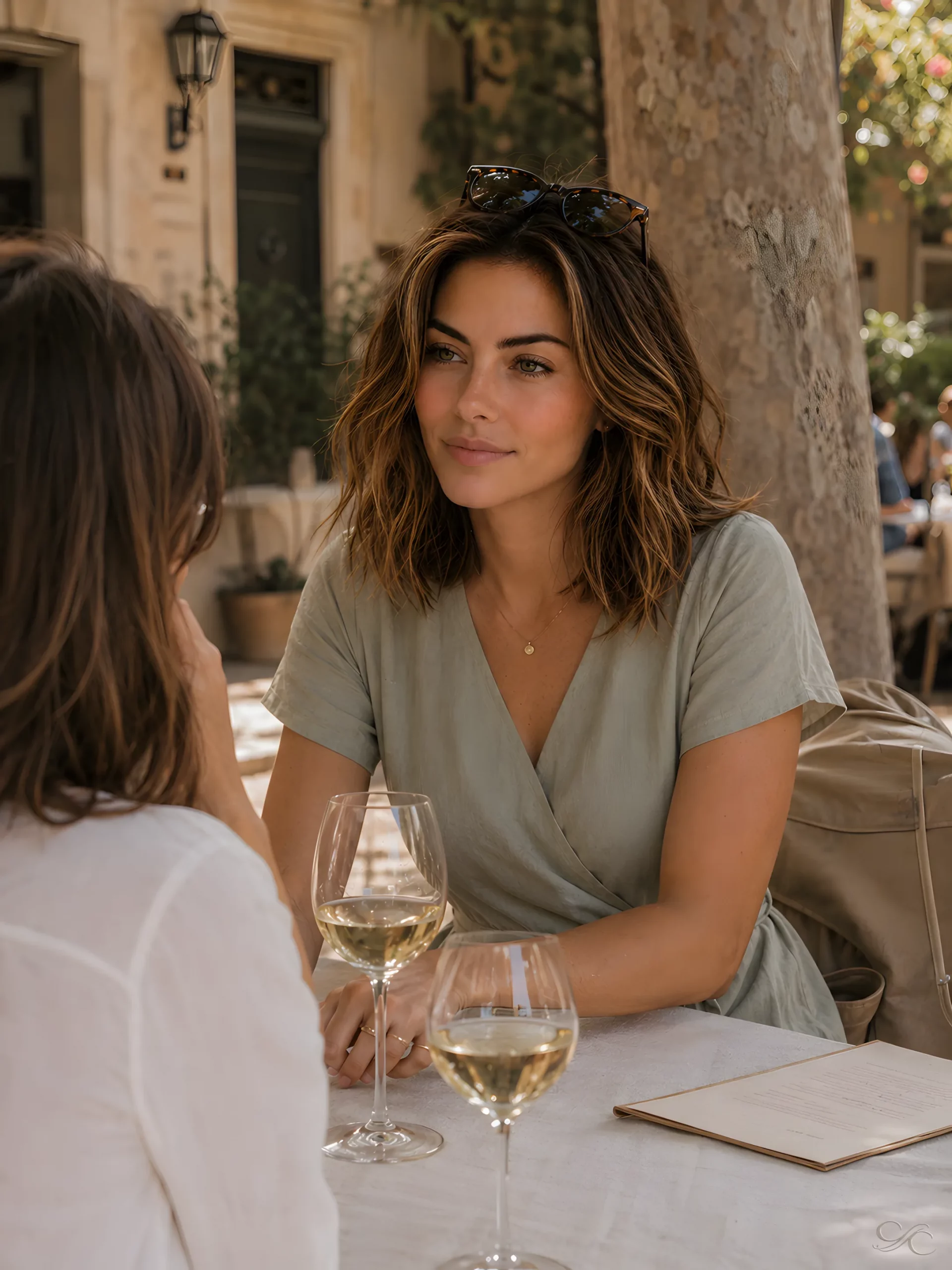
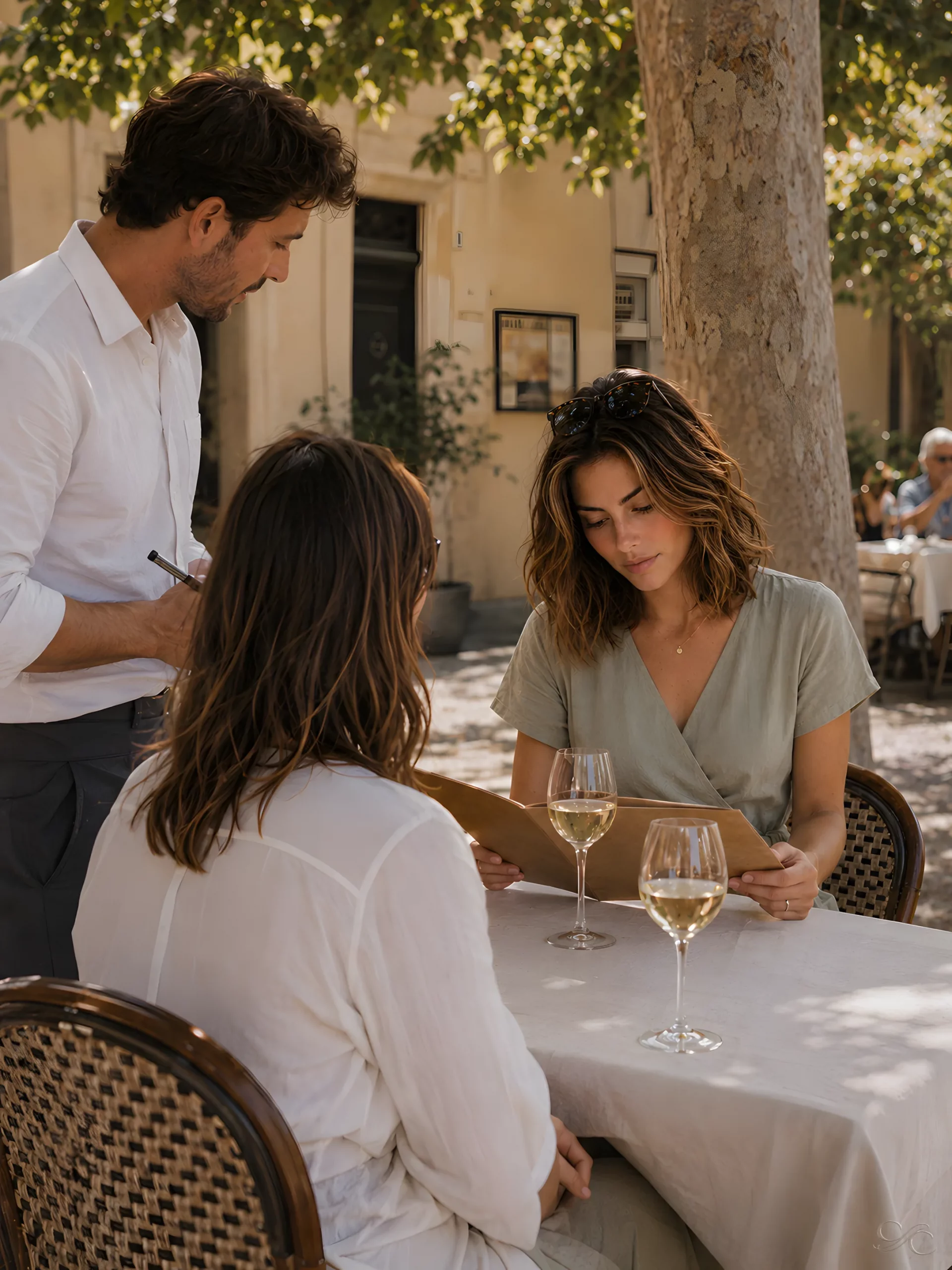

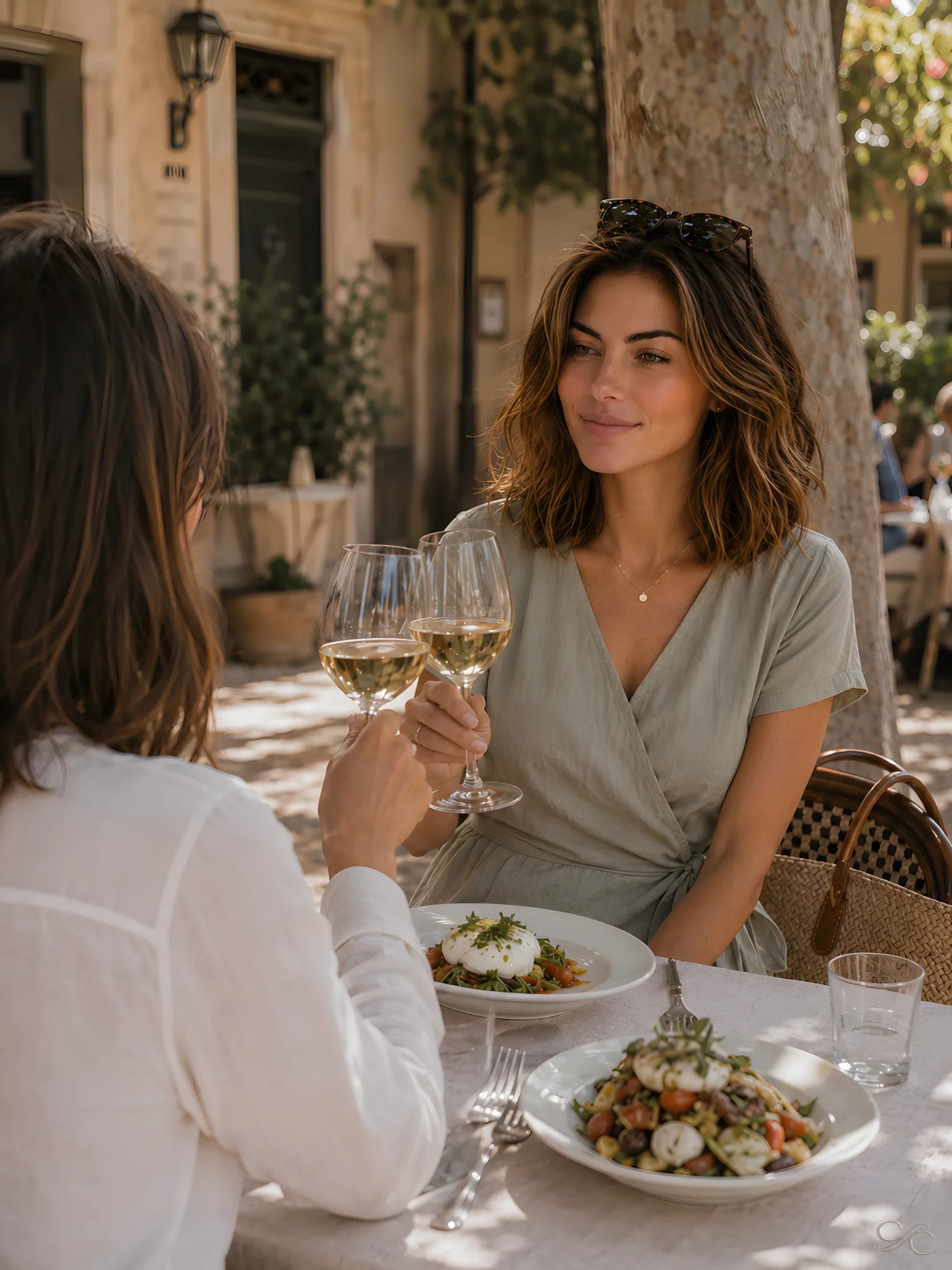
Lunch in Provence is rarely just a meal.
It is often the day itself.
Beneath the shade of plane trees, conversation unfolded slowly over wine, shared dishes, and the gradual arrival of afternoon sunlight across the tablecloth. Menus remained open longer than necessary. Glasses were refilled. Nearby tables showed no signs of leaving.
There was nowhere anyone needed to be.
Only the movement of shadows across the square seemed to measure time passing.
By the time lunch ended, the afternoon had nearly disappeared with it.
🍷 Wines to Try in Provence
Rosé
White Wines
Red Wines
Stone Villages and Lavender Fields
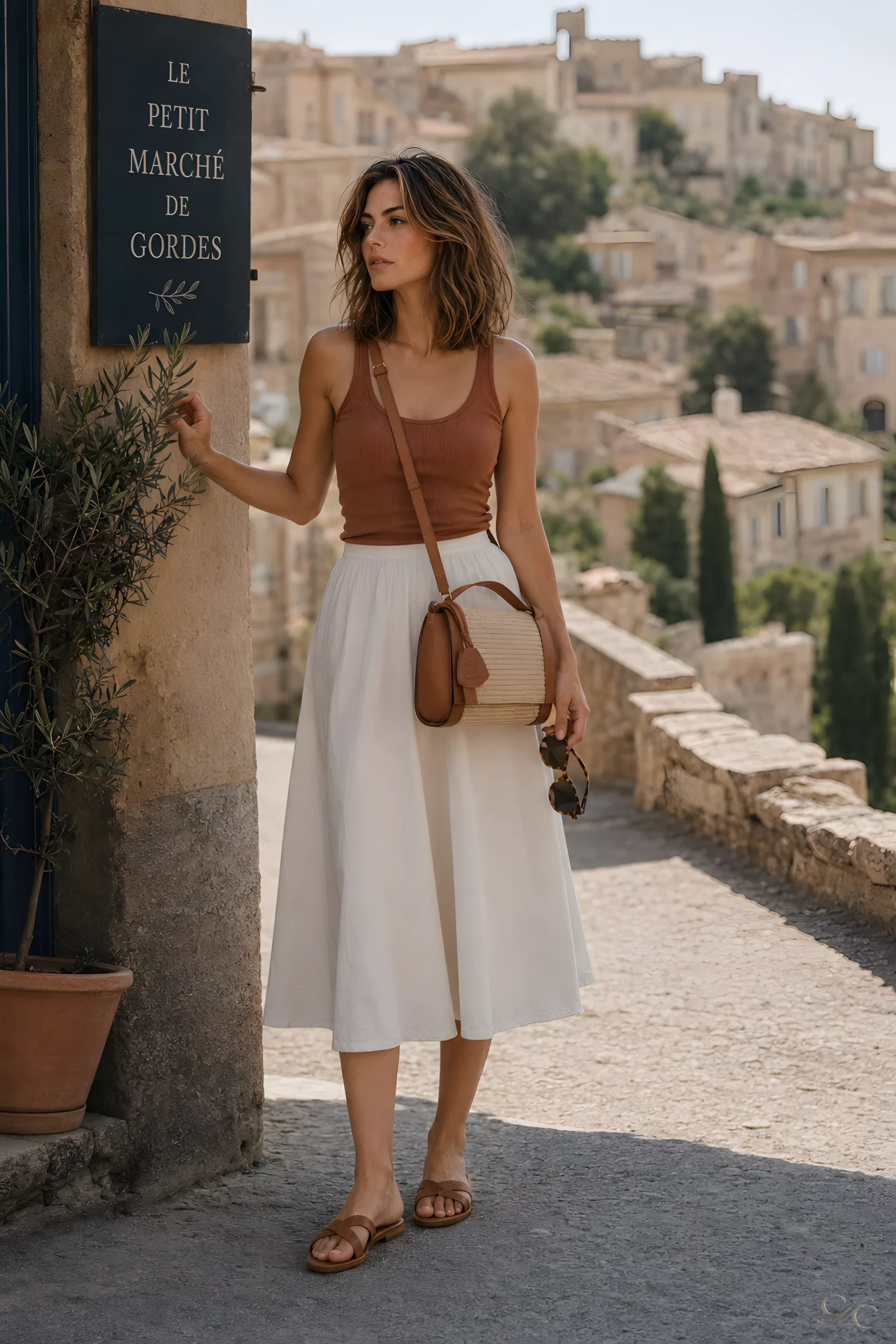
By the third morning, Provence had traded vineyards for stone.
The villages of the Luberon rise directly from the hillsides, their pale limestone walls appearing almost inseparable from the landscape itself.
Gordes is perhaps the most famous.
From a distance, it resembles a medieval fortress growing naturally from the ridge beneath it. Narrow streets wind upward between centuries-old buildings while terraces overlook valleys planted with vineyards, olive groves, and lavender.
The village developed during periods when elevated positions provided security. Today, those same defensive locations offer some of the most beautiful views in Provence.
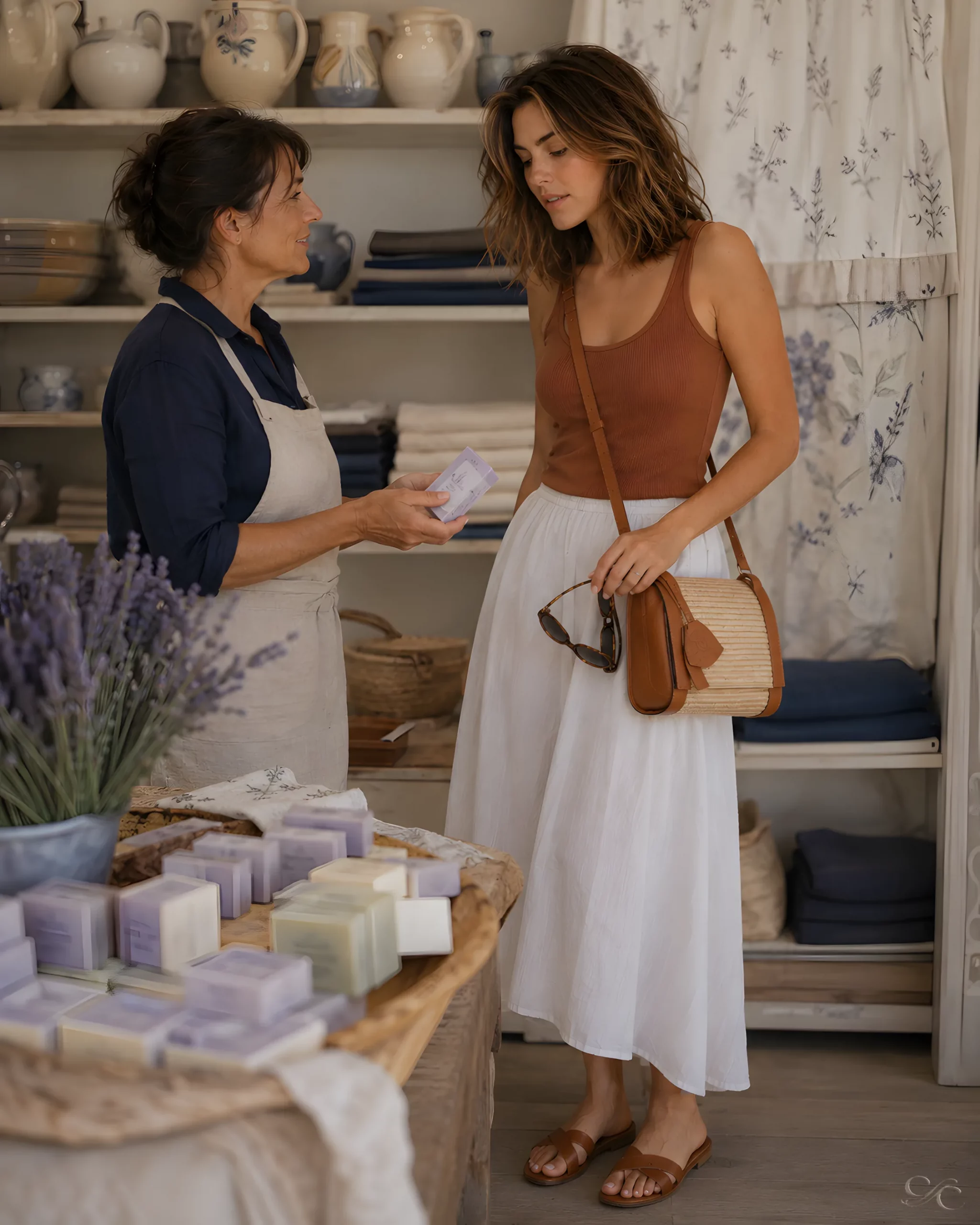
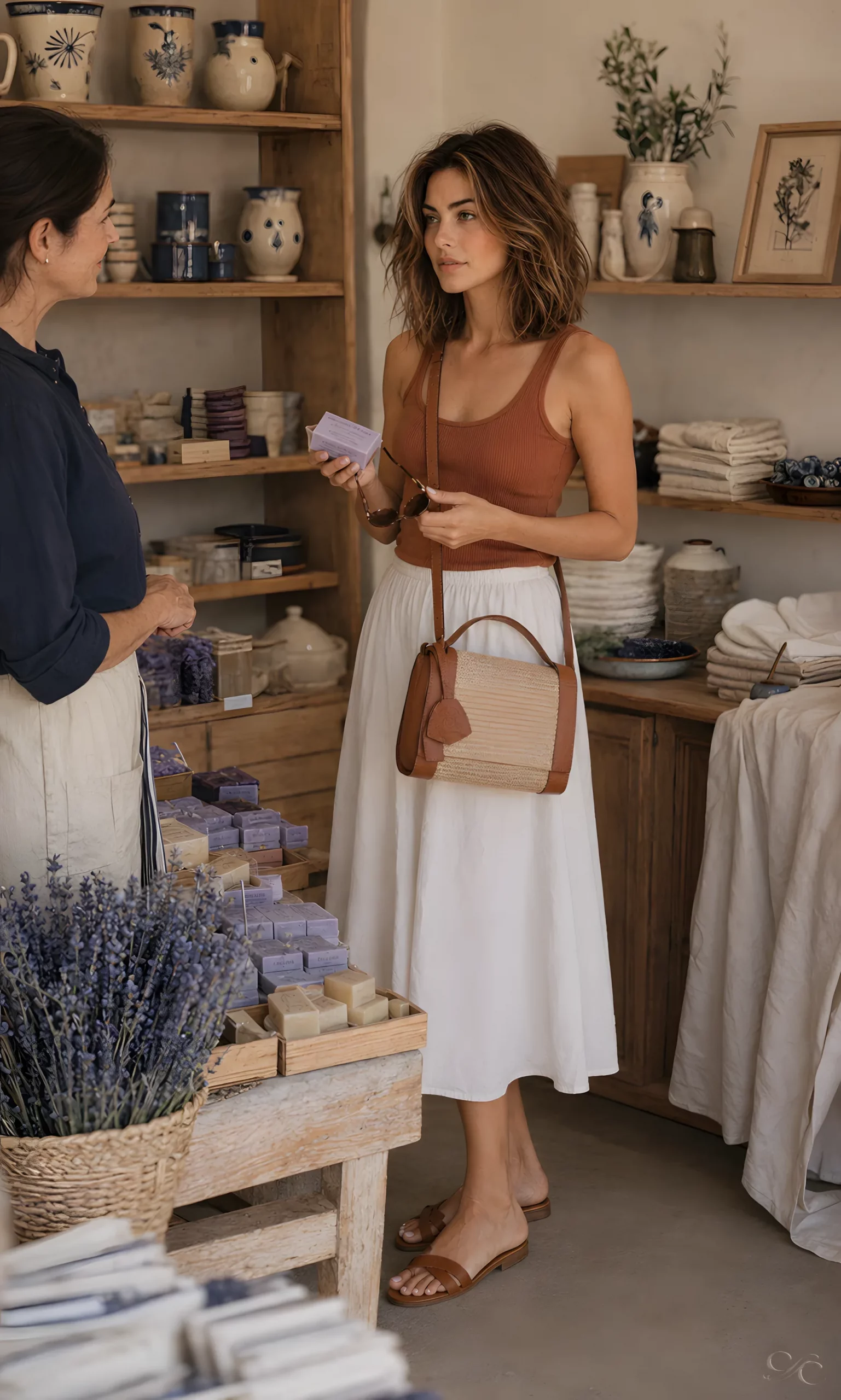
Small artisan shops opened gradually through the morning.
Inside one, shelves were filled with handmade soaps, woven linens, ceramics, and lavender products. The scent of lavender drifted through the room long before the flowers themselves came into view later in the day.
Few plants are more closely associated with Provence.
Historically, lavender was cultivated not for beauty but for practical use. Monasteries used it medicinally, households valued it for fragrance and preservation, and traders carried it throughout Europe.
Its transformation into an icon of Provence came much later.
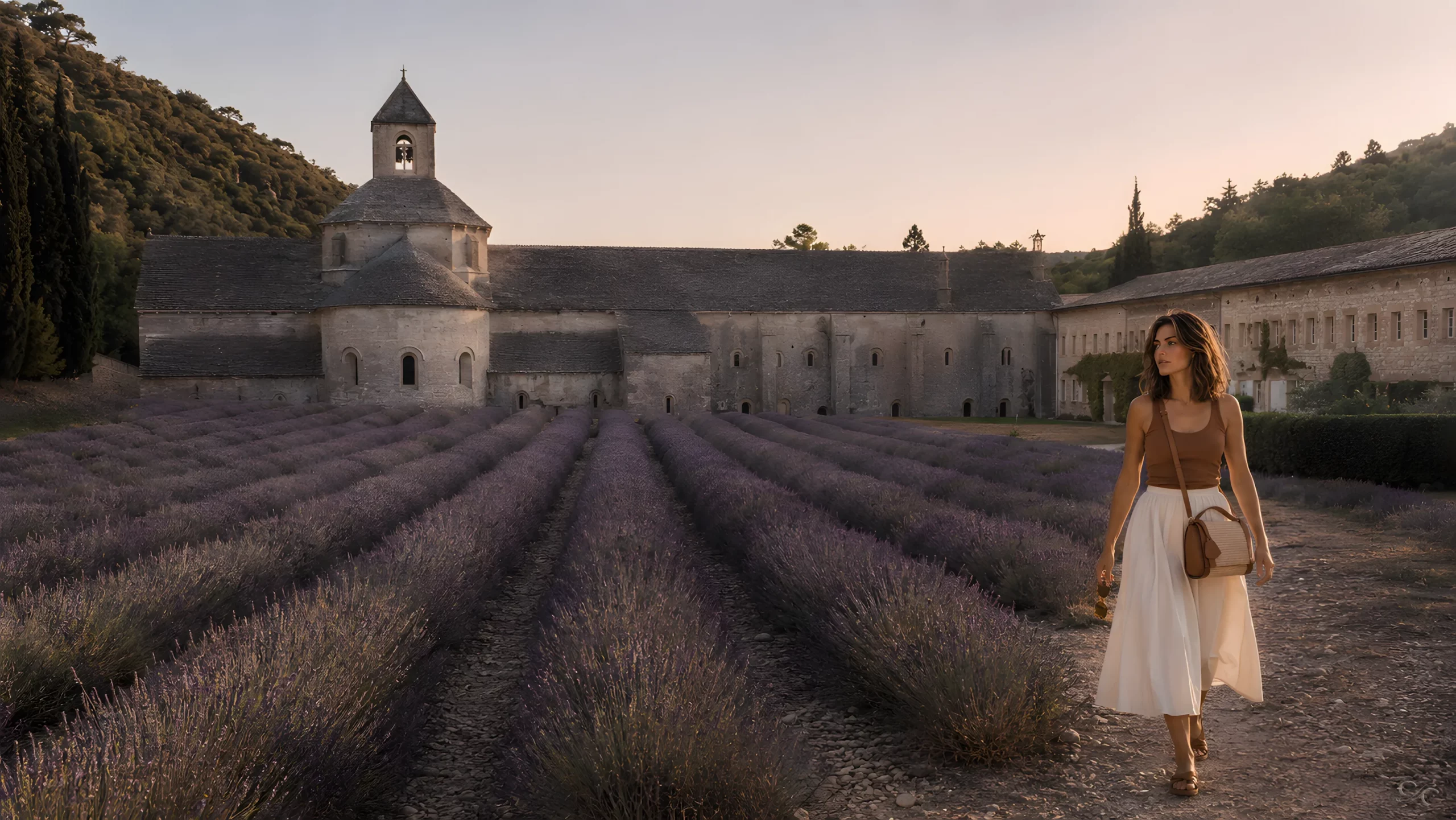
The afternoon ended at Sénanque Abbey.
Founded in 1148 by Cistercian monks, the abbey remains active today, standing quietly among the fields that have surrounded it for centuries.
Rows of lavender stretched toward the stone buildings beneath the warm evening light.
The scene has become one of the most photographed in France, yet in person it feels remarkably peaceful.
The beauty lies not only in the landscape but in its continuity.
Nearly nine hundred years have passed, and the relationship between the abbey and the surrounding land remains largely unchanged.
Cassis, Calanques, and the Return of the Sea
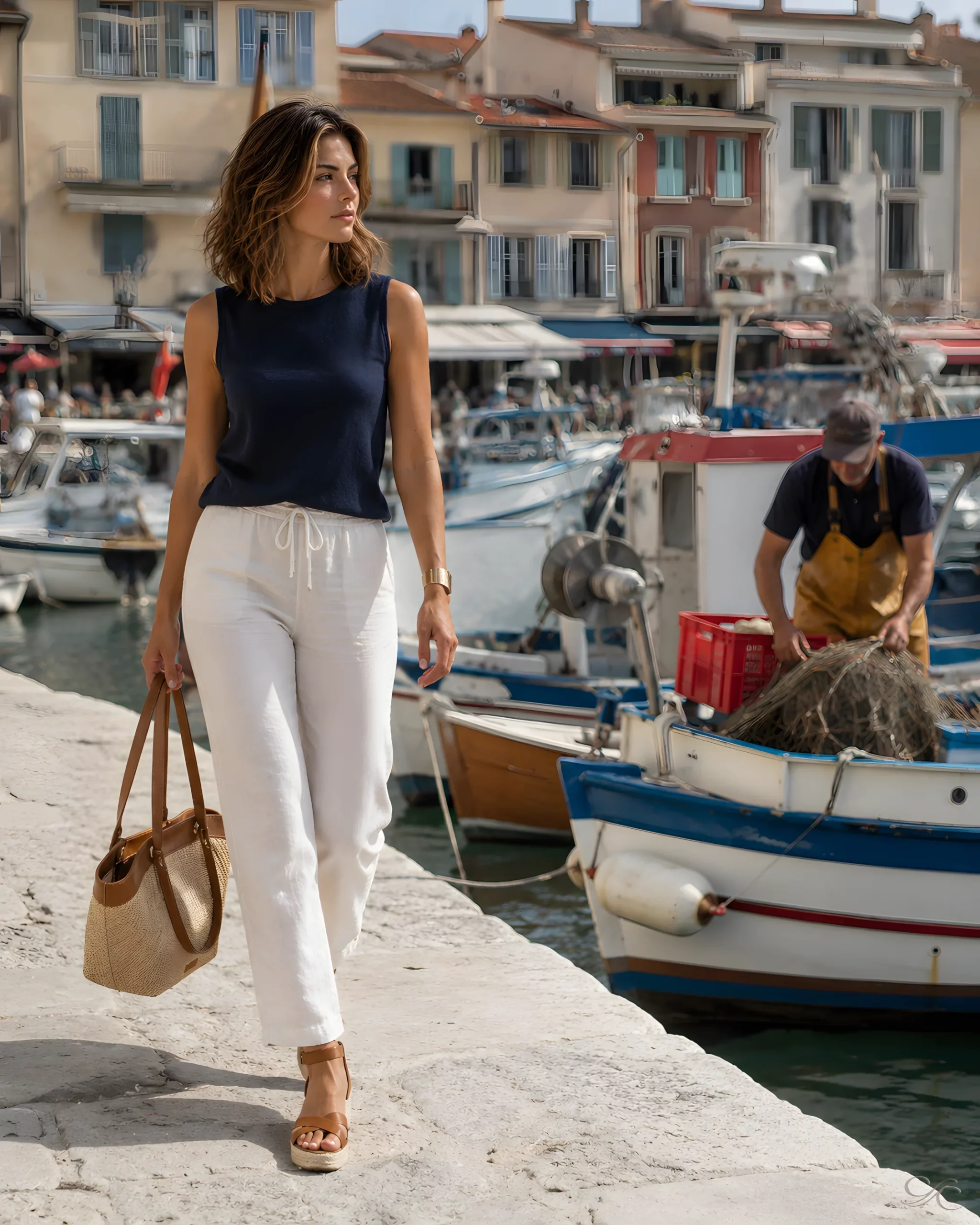
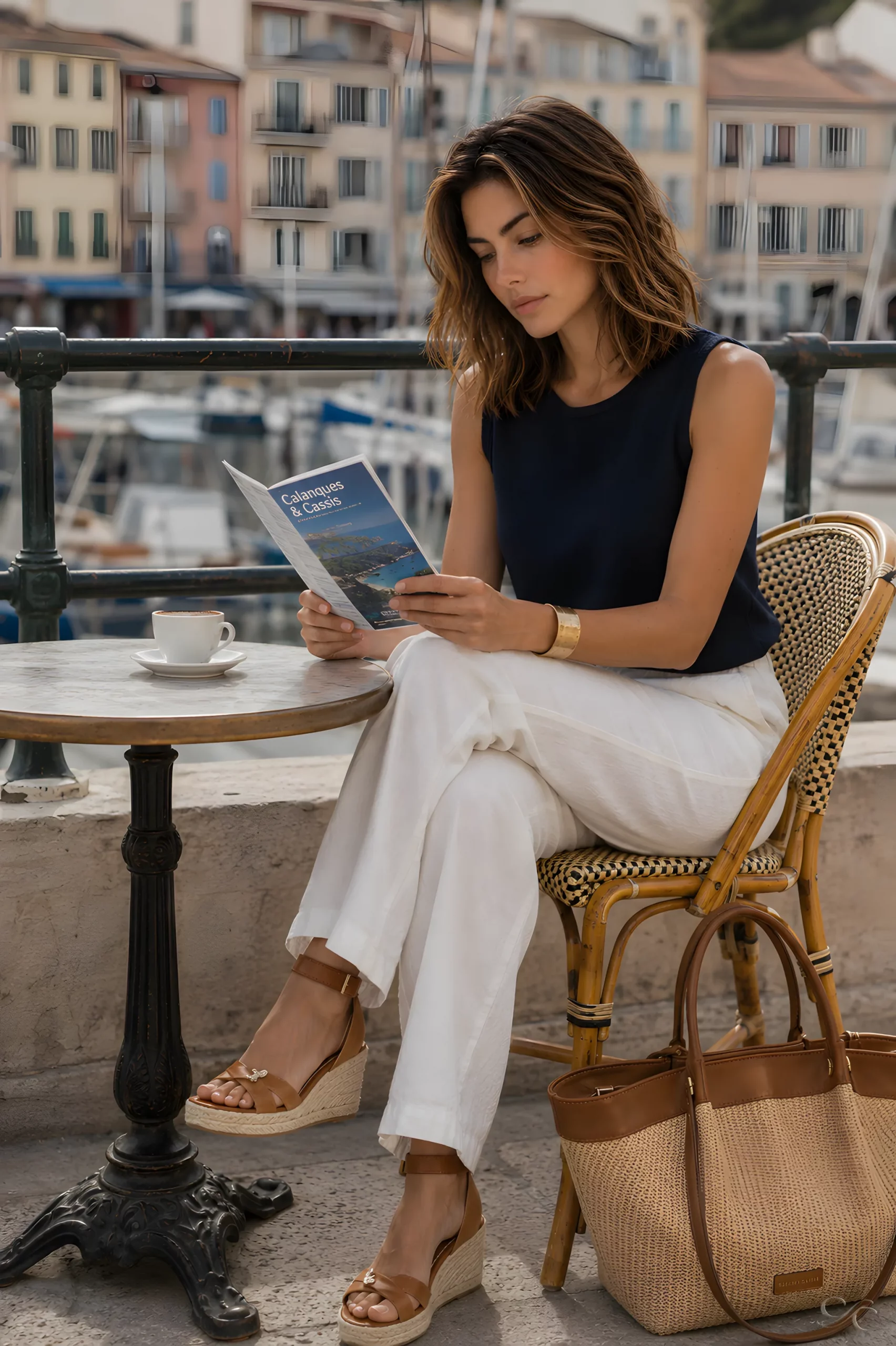

The final day brought the Mediterranean back into view.
Compared with the grand boulevards of Aix or the quiet villages of the Luberon, Cassis feels shaped entirely by its relationship with the sea.
Fishing boats lined the harbor while cafés overlooked the waterfront. Beyond the town, white limestone cliffs rose dramatically above turquoise water.
The harbor itself remains the heart of daily life.
Fishermen still depart before sunrise. Market stalls appear throughout the morning. Restaurants prepare for lunch while excursion boats begin carrying visitors toward the nearby Calanques.
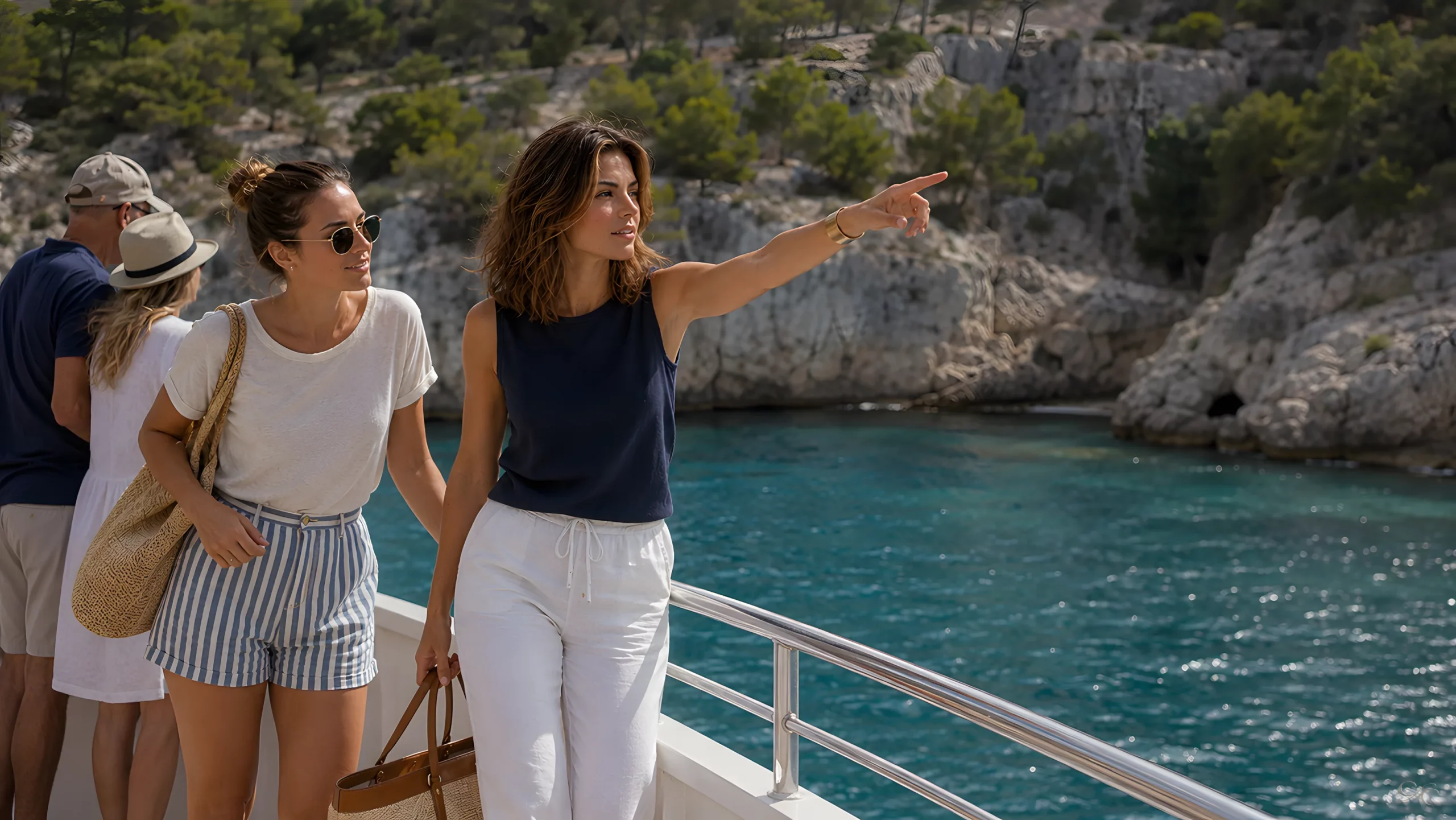
The Calanques are among the most extraordinary landscapes in France.
Often described as limestone fjords, these narrow inlets were carved over millions of years, creating a coastline of steep cliffs, hidden coves, and remarkably clear water.
From the deck of a small excursion vessel, the scale became easier to appreciate.
The sea shifted between deep sapphire and brilliant turquoise. Limestone walls rose almost vertically from the water. Small beaches appeared briefly before disappearing behind the next headland.
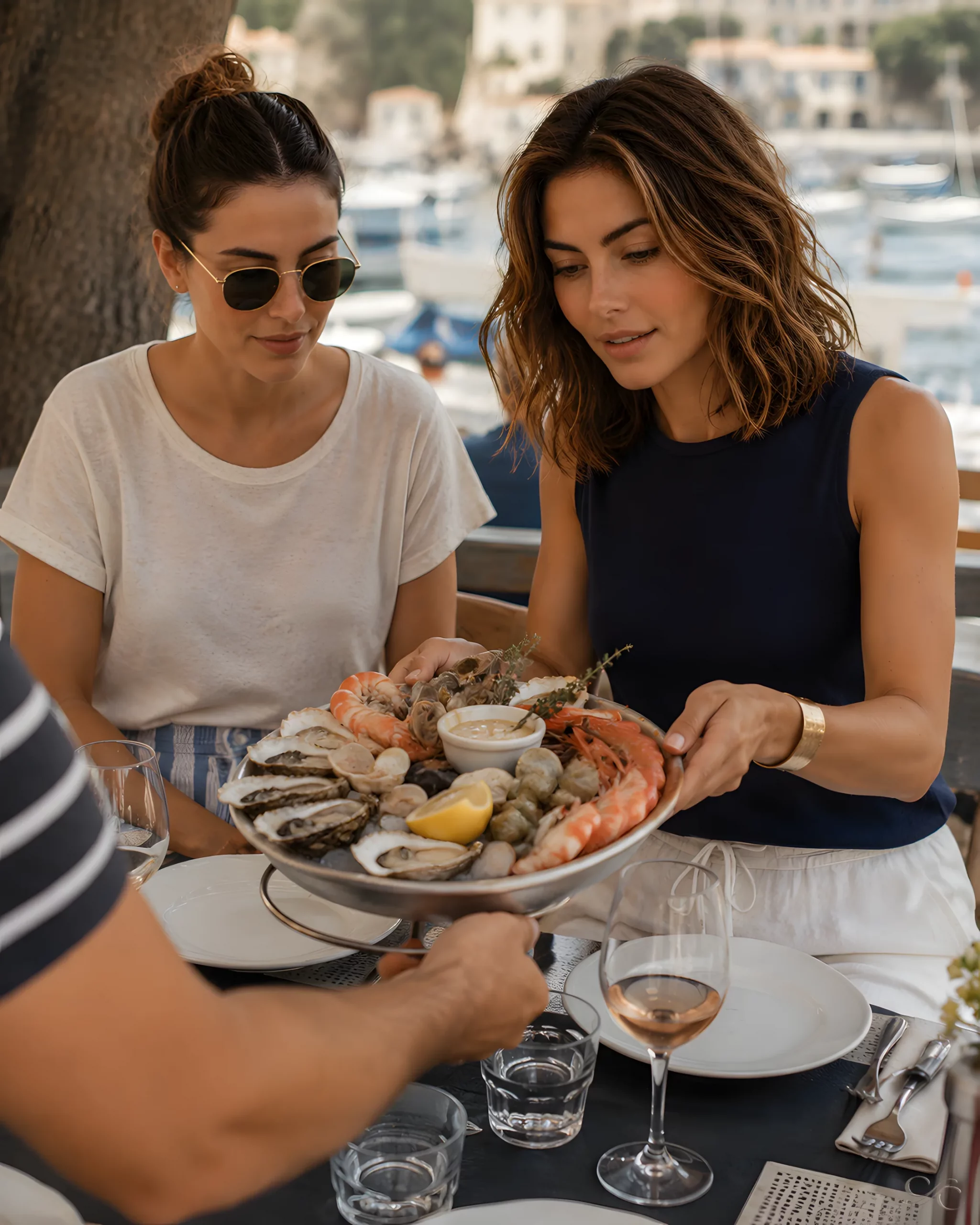
Back in Cassis, the afternoon settled naturally into seafood and local white wine overlooking the harbor.
Back in Cassis, the afternoon settled naturally into seafood and local white wine overlooking the harbor.
Cassis Blanc, one of France’s oldest protected wine appellations, felt particularly appropriate with the catch of the day.
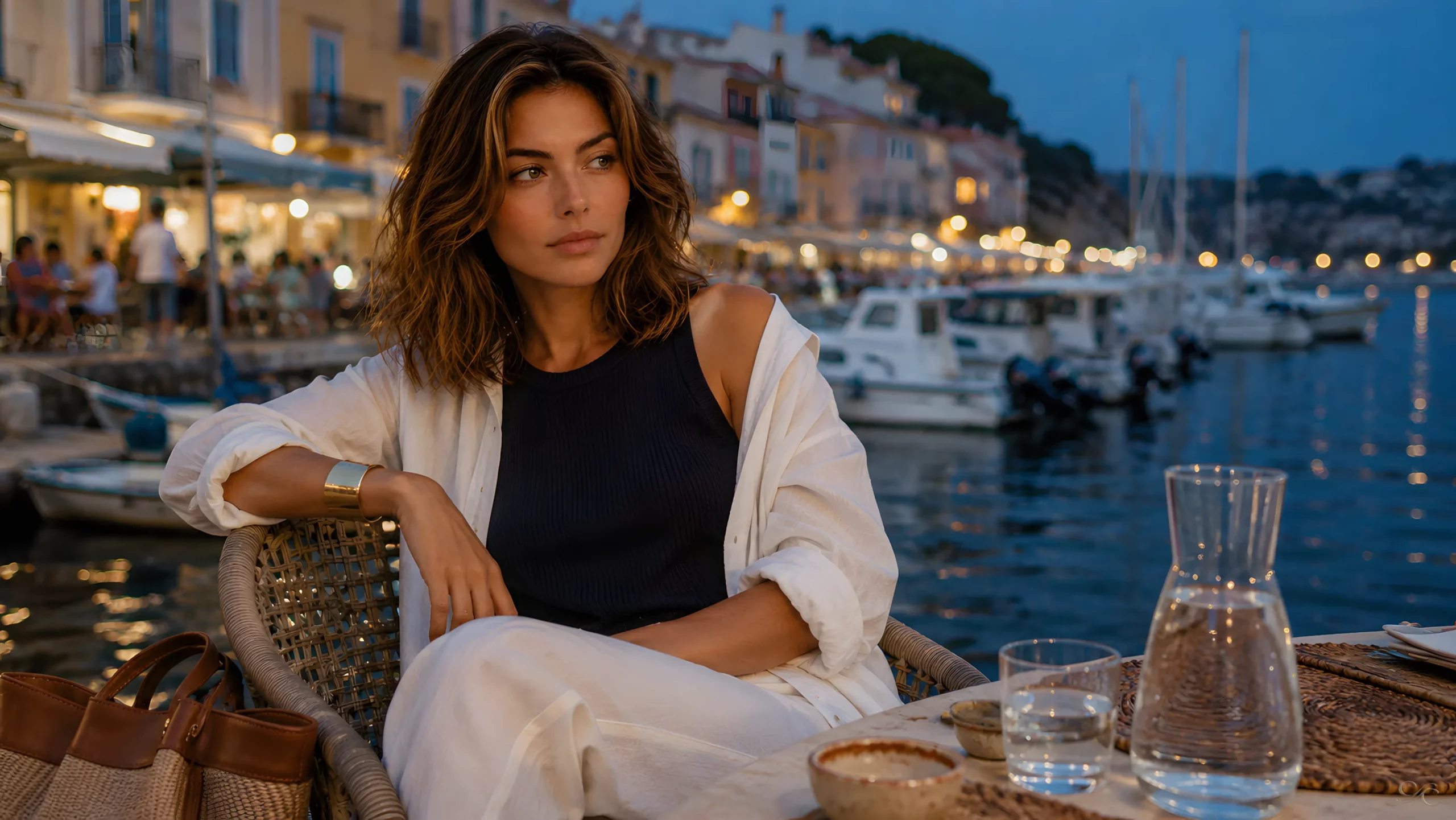
As evening arrived, the pace slowed once more.
Fishing boats rocked gently beside the quay while lights began appearing along the waterfront.
The harbor that had seemed busy in the morning gradually became quiet again.
It felt like the right ending.
My Notes
📘 The Journey Continues
🧭 The Journey Continues
Every region of France seems to reveal itself differently.
Paris impresses immediately. Burgundy unfolds through its vineyards. Provence reveals itself slowly through light, landscape, and daily life.
As the train pulled away from the Mediterranean coast, I found myself thinking less about the famous lavender fields and more about the smaller moments that filled the days between them: shaded boulevards in Aix, conversations over rosé, centuries-old stone villages, and fishing boats returning home beneath the evening sun.
Those were the moments that felt most distinctly Provençal.
If you’re planning your own journey through Provence, I’d encourage you to leave space for them.
The region rewards curiosity far more than schedules.
If you’re planning a trip to the Provence or the Amalfi Coast, you can always 💬 chat with me for ideas on timing, wine, where to stay, and how to shape the journey naturally.
À bientôt,
Camille ✨