
Four Days in Prague: Beyond the Postcard
I based myself in Malá Strana, on the castle side of the Vltava, where the streets stayed quieter than the approaches to Old Town. From there, four days in Prague crossed river bridges, castle courtyards, tram routes, cafés, markets, and residential neighborhoods beyond the main postcard views.
Old Town, Malá Strana, Hradčany, and New Town developed with their own walls, markets, churches, and authorities before they were joined into one municipality in 1784. That older separation still showed at street level. A bridge, a tram ride, or a few blocks could move the day from medieval stone and ceremonial architecture to bakeries, shared pub tables, university squares, or a train station heading south.
Crossing Charles Bridge
I crossed Charles Bridge from Malá Strana toward Old Town, with the Vltava open on both sides and the historic center ahead. The bridge made the city’s geography clear: castle-side streets behind me, the river below, and the Old Town Bridge Tower marking the way into the older commercial core.
Charles IV ordered the bridge in 1357, after earlier crossings had failed, and for centuries it was Prague’s main link across the Vltava. Its line of Baroque statues came later. Among the other pedestrians, I had my first clear sense of the center’s scale.
Exploring Old Town
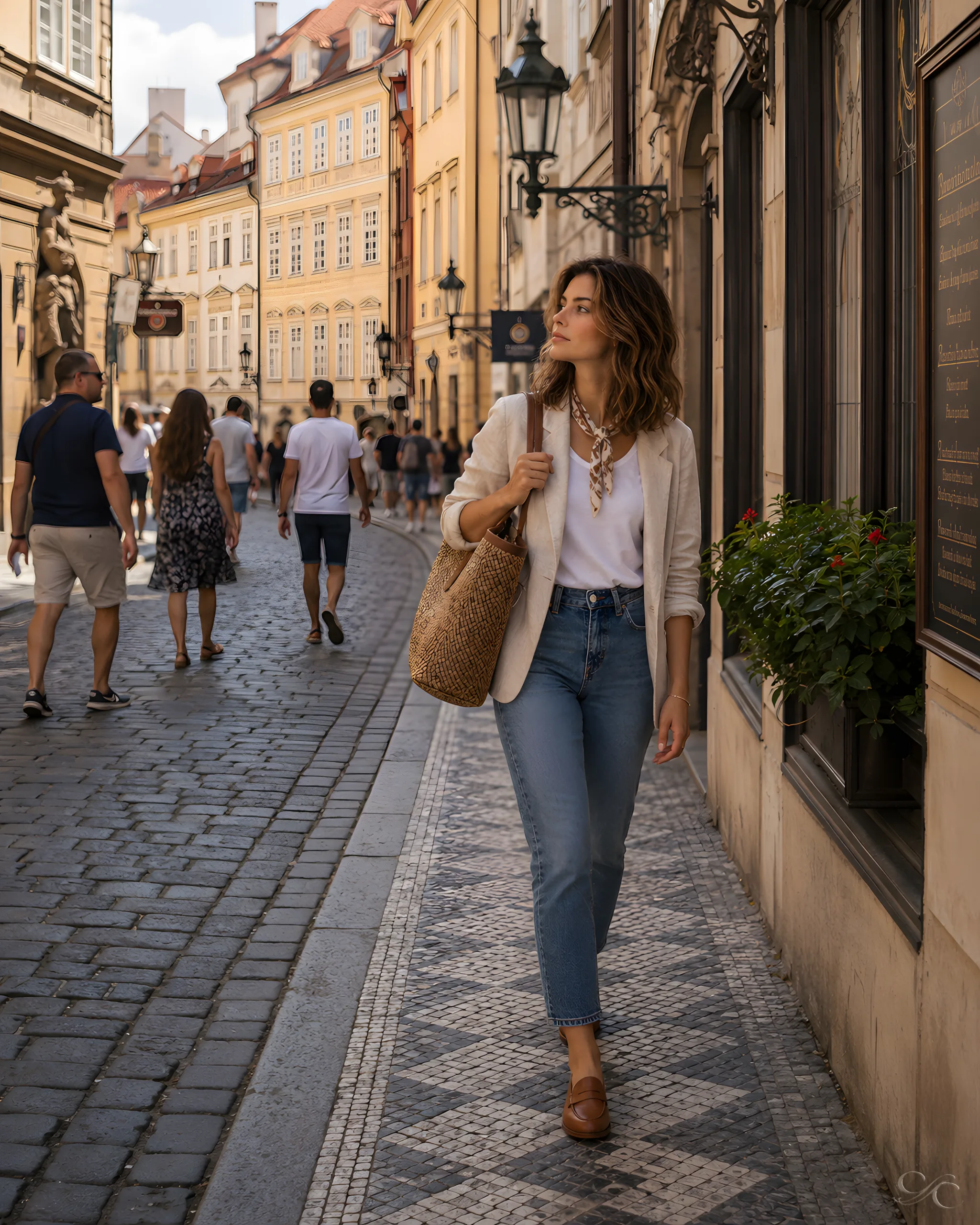

From the end of Charles Bridge, I continued into the tighter streets of Old Town, where the route narrowed between older façades before opening into Old Town Square. The square has been a marketplace and civic center since the medieval period. People crossed it on errands, tour groups paused, and others gathered near the south wall of the Old Town Hall.
I joined the crowd by the Astronomical Clock. First installed in 1410, it is one of the oldest working astronomical clocks in the world. It shows more than the hour, tracking the sun, moon, zodiac, and Old Czech time. As the hour approached, most eyes turned toward the figures above it.
Lunch in Old Town
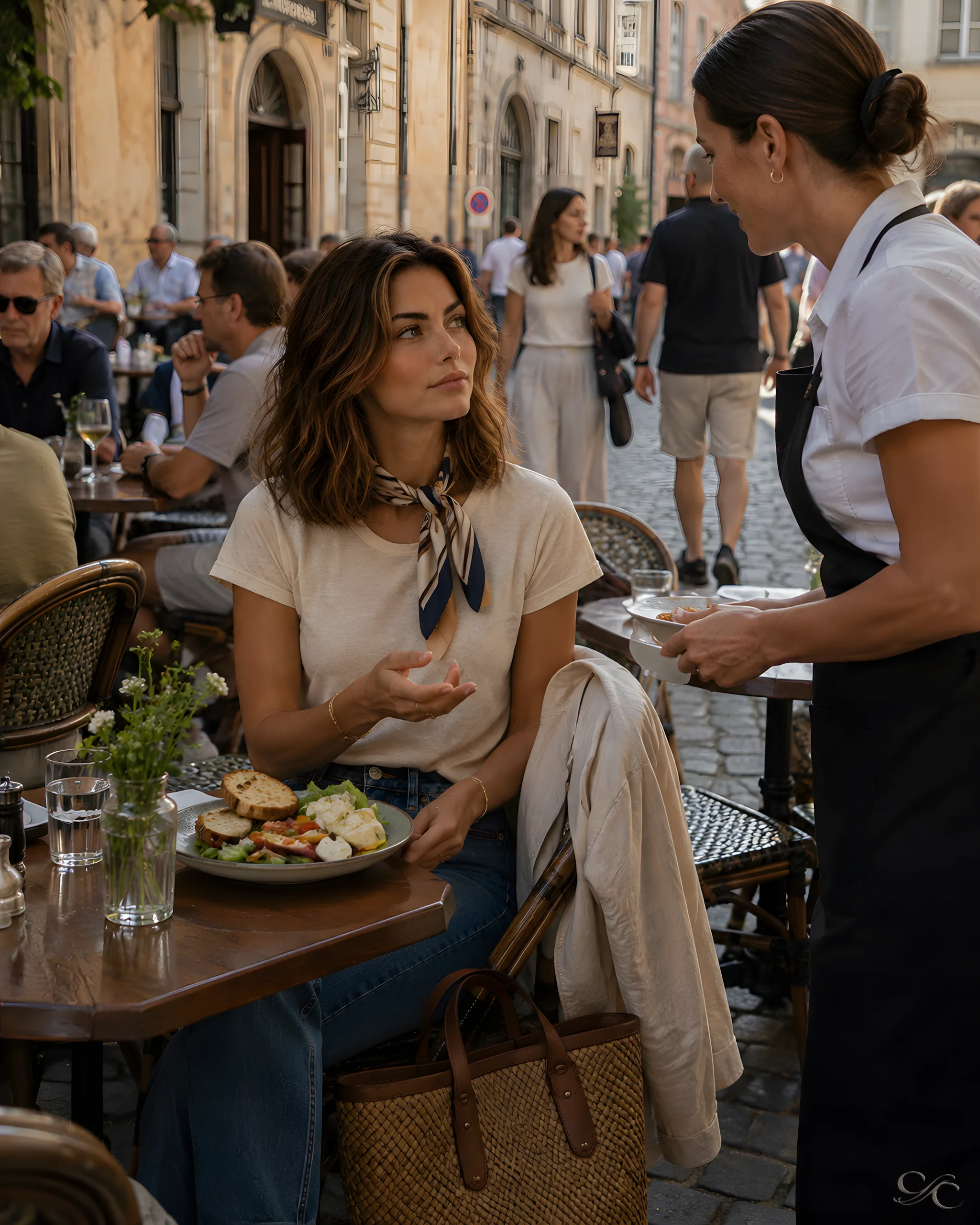
After several hours on foot, I stopped for a late lunch at a small outdoor café. The table put me close to the street, where pedestrians passed between restaurant chairs and neighboring doorways. Many Prague restaurants still offered a polední menu, a short midday lunch menu for workers; in Old Town, it often sat beside multilingual tourist menus. Here, both shared the pavement.
Evening at a Prague Pub
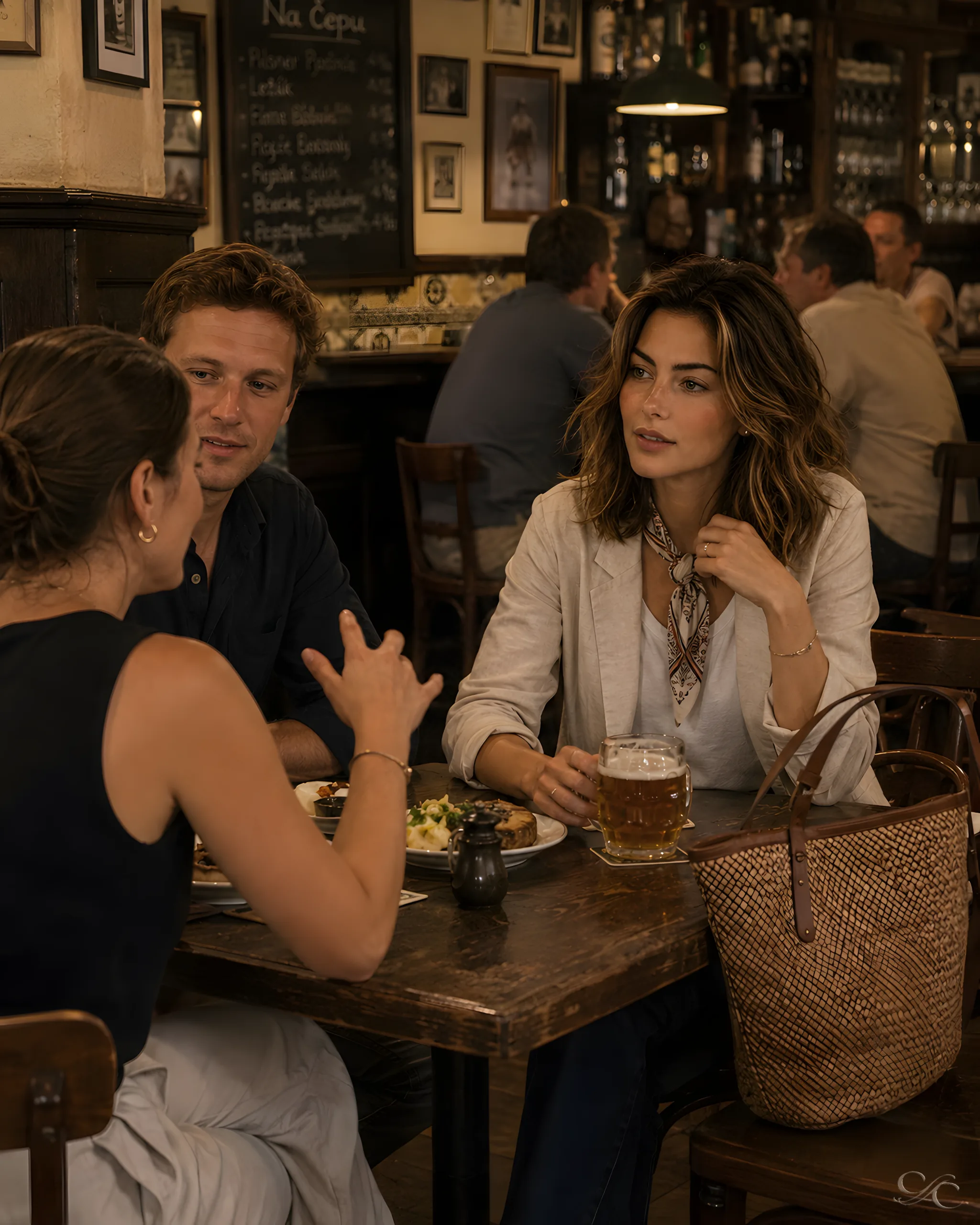
By evening I was in a neighborhood pub, with dinner on the table and a beer beside it. Prague’s hospody have long served as local meeting rooms, built around draft beer, usually poured in half liters unless you ask otherwise.
The tables sat close enough that silence did not last long. A few comments with the people nearby turned into easy conversation, without much introduction. After an afternoon of streets and landmarks, the evening passed in small talk across the next table.
Riding Tram 23 Through Prague
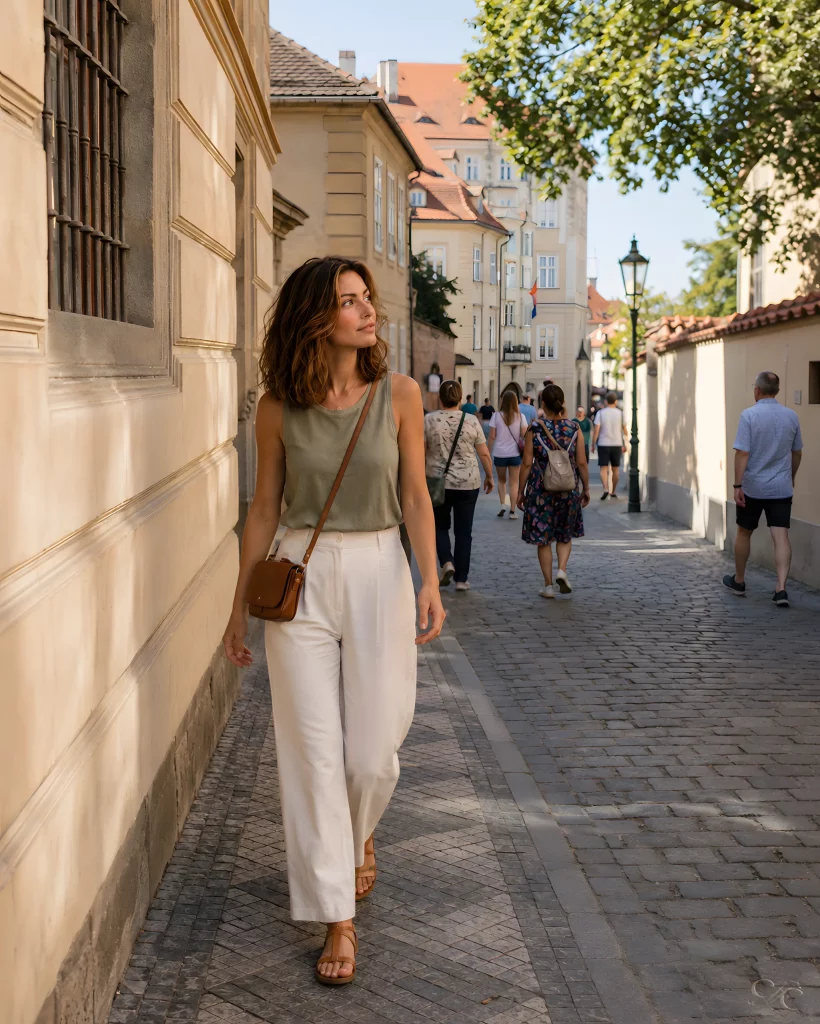
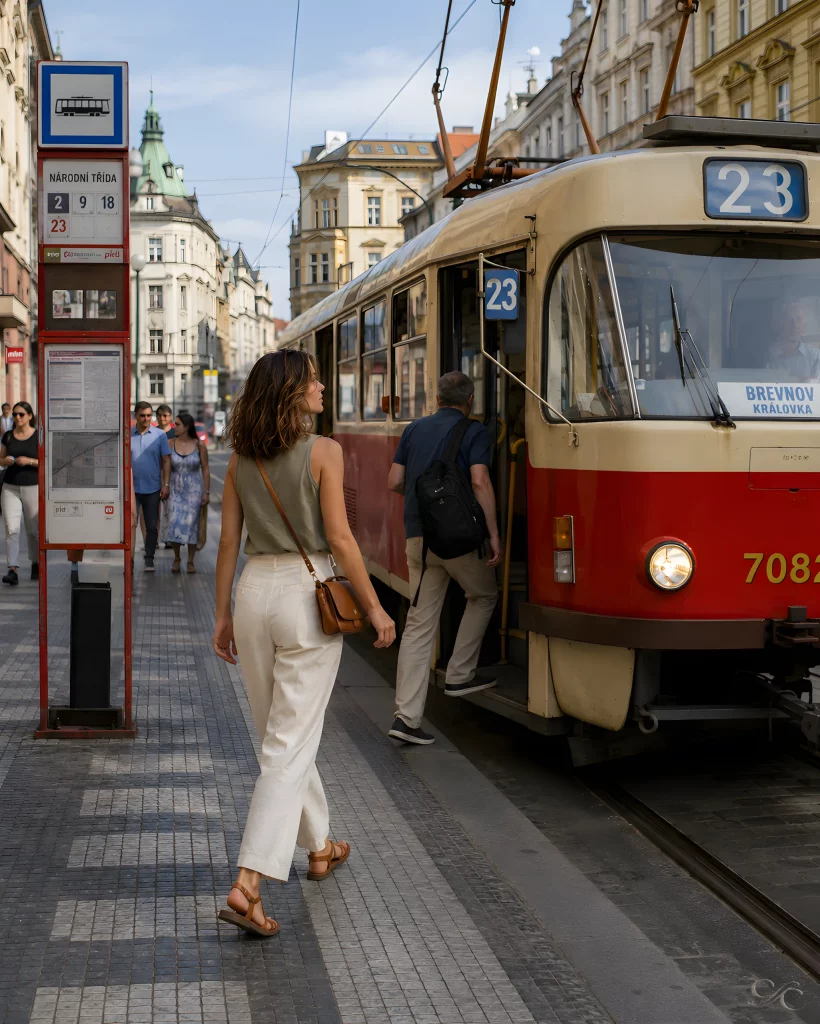
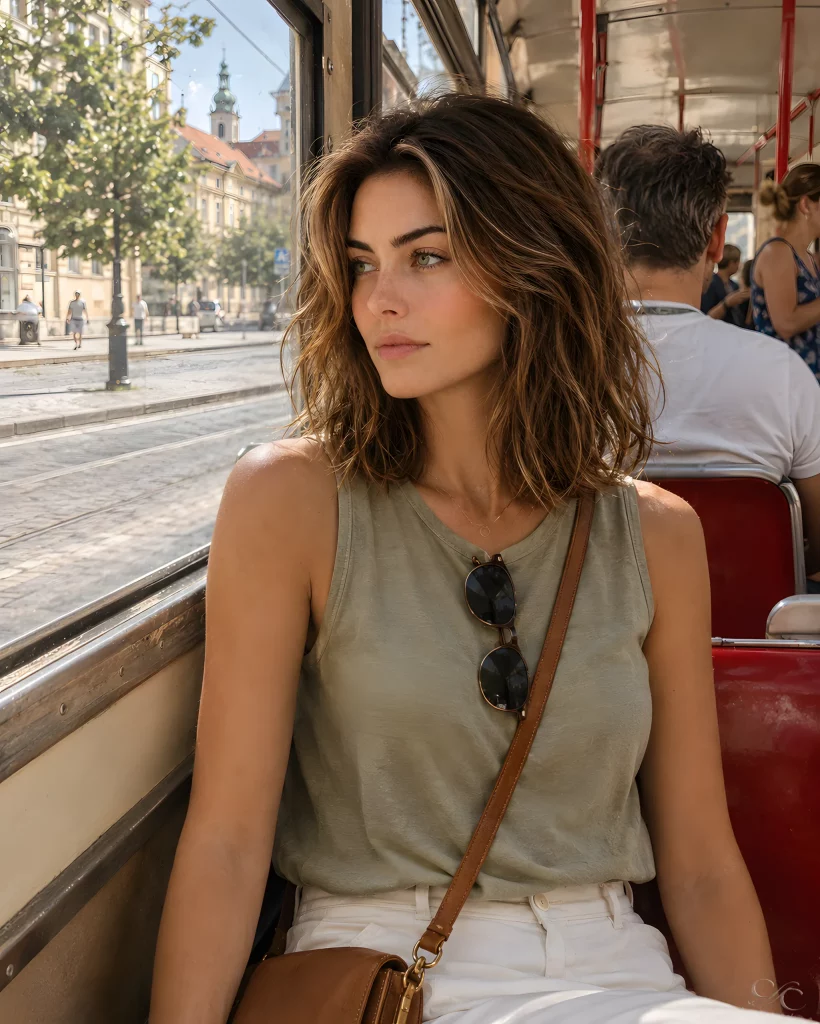
The next morning, I headed toward Národní třída. Delivery vans passed shopfronts, cafés opened to the pavement, and commuters moved between tram stops, offices, and crossings. Tram 23 was my route toward Hradčany, on the same tracks carrying people through an ordinary workday.
At Národní třída, I joined the regular stream of passengers onto Tram 23, a red-and-cream Tatra T3. The car was historic, but the ride was part of daily transit. People boarded with bags and phones, and the tram moved through the city like any other service.
Line 23 is often called Prague’s nostalgic tram line because it keeps older Tatra cars in public use. The T3 model first appeared in the early 1960s and became one of the most widely produced tram designs in the world.
From the window, the commercial streets around Národní třída gave way to Malá Strana and the approach toward Hradčany, with the old car carrying ordinary passengers uphill toward the castle district.
Prague Castle and St. Vitus Cathedral
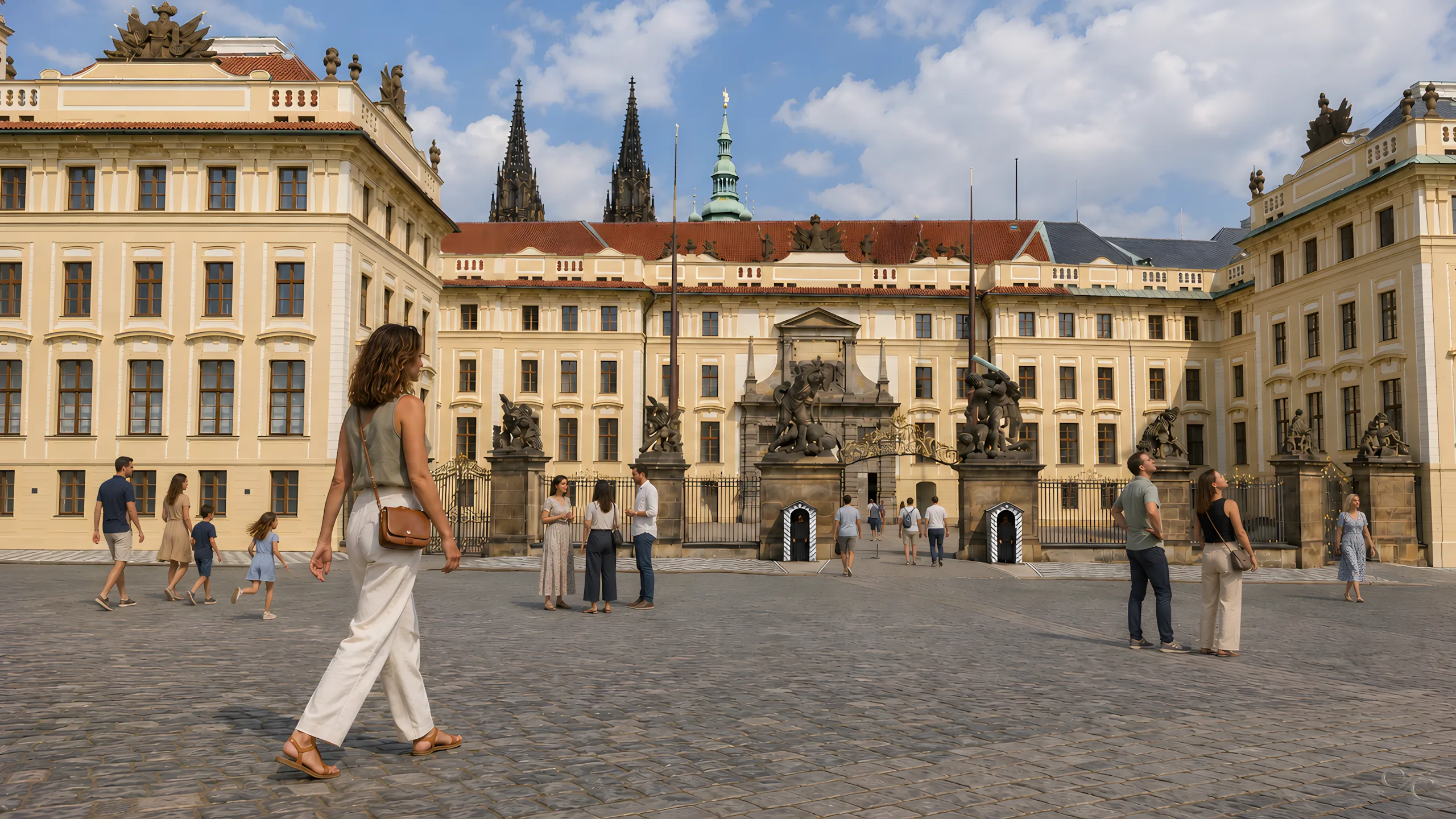
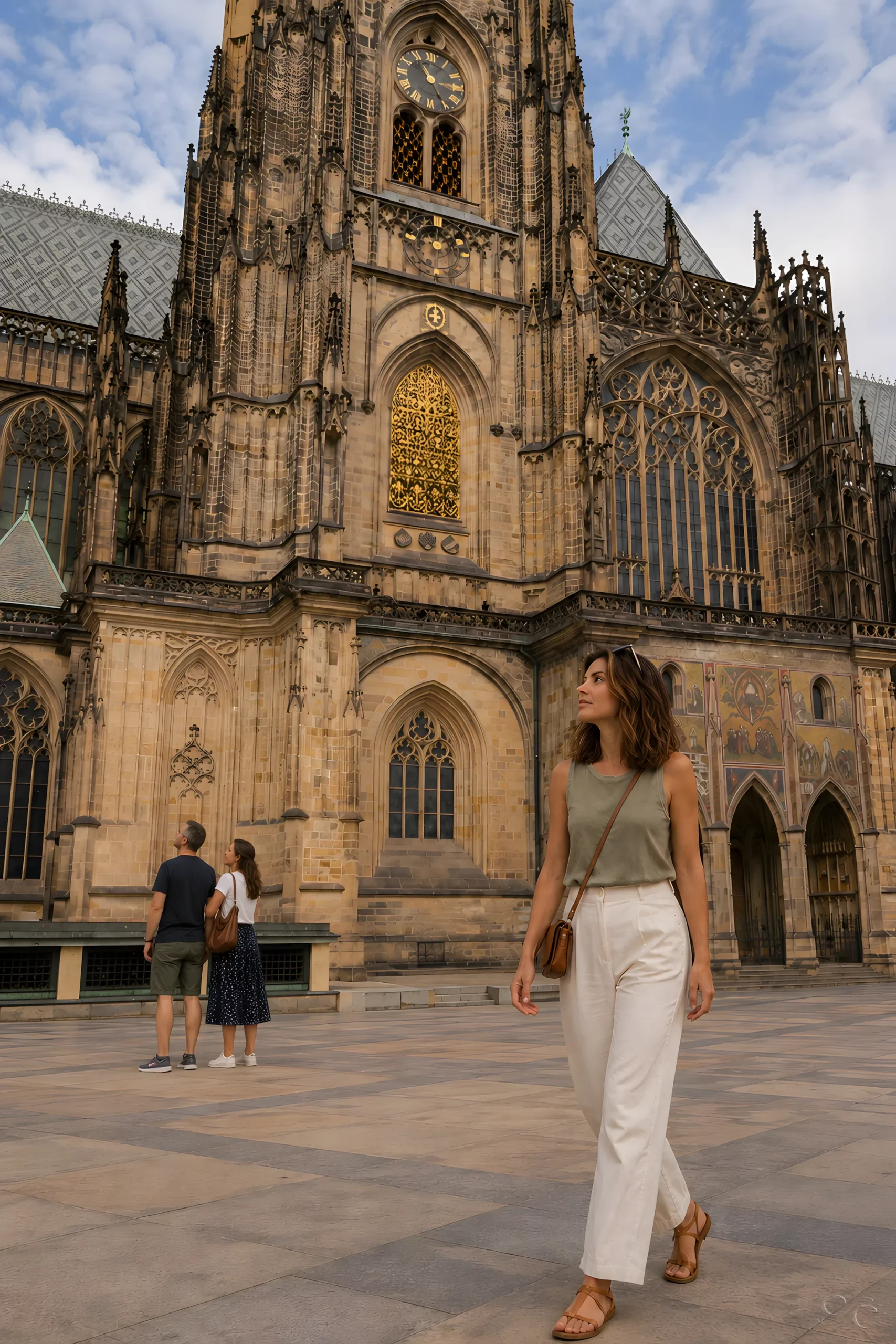
I reached Prague Castle through Hradčany and entered the First Courtyard, where the space felt more like a seat of government than the entrance to a single monument. Ahead, Matthias Gate marked the way inward, its early Baroque form set among later palace façades.
Prague Castle has grown since the 9th century, serving Bohemian princes and kings, Holy Roman emperors, and modern Czech presidents. Past the gate, the courtyards led not to one building but to palaces, churches, offices, and ceremonial spaces.
In the Third Courtyard, St. Vitus Cathedral rose almost at once. Its Gothic walls, flying buttresses, and pointed towers changed the scale of the castle completely. Construction began in 1344, and the cathedral became the place of royal coronations and burials.
From Malá Strana to Wenceslas Square

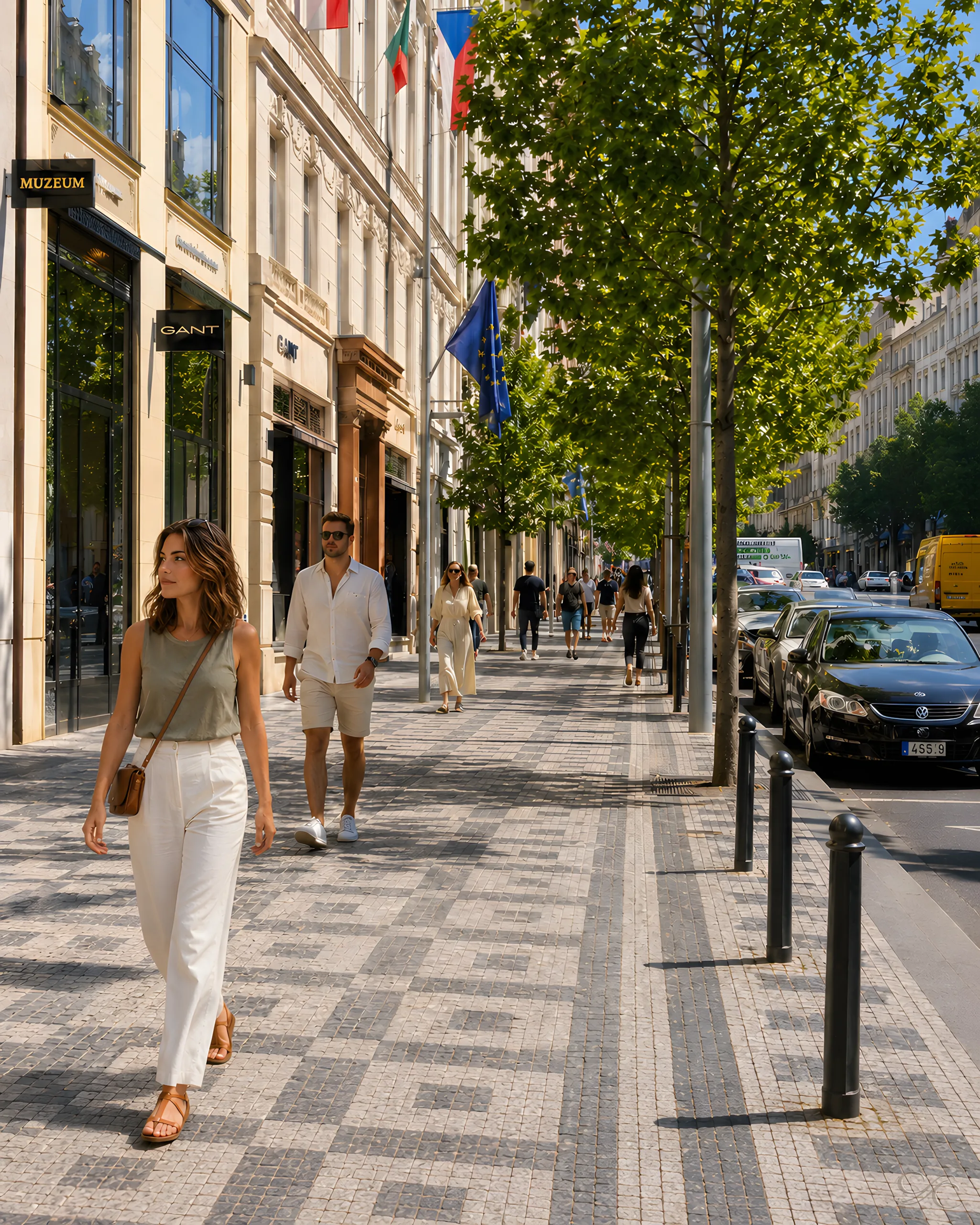
Below the castle, Malá Strana narrowed back into café tables, doorways, and small pauses in the day. I stopped for coffee and a light snack, still within sight of the hill but away from the courtyards and cathedral stone. The district’s name means “Lesser Town,” though its streets once held palaces for nobles who wanted to be near the castle.
By Wenceslas Square, Prague had widened into shops, offices, hotels, and steady foot traffic. The square is really a long boulevard, laid out in the 14th century as a horse market.
Sharing a Table at a Prague Café
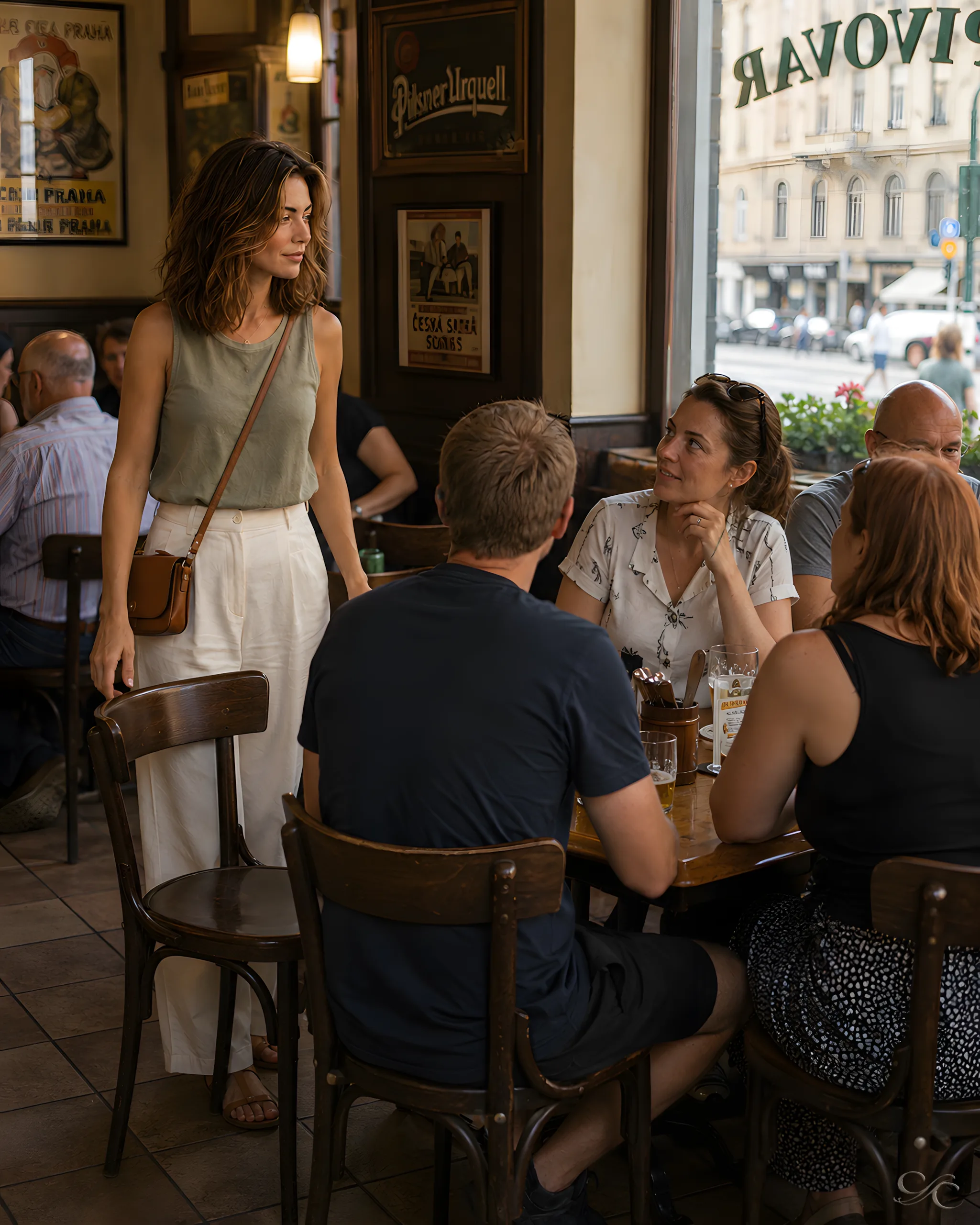
Back in central Prague, I stopped at a busy neighborhood café-pub for a beer and something simple to eat. The smaller tables were already taken, but one larger table had an open place beside several people who seemed settled into their own visit.
I asked whether the seat was free before taking it. In Prague pubs and casual cafés, especially when rooms are full, this kind of shared table is ordinary enough: an empty place does not always make the whole table private.
Morning in Vinohrady
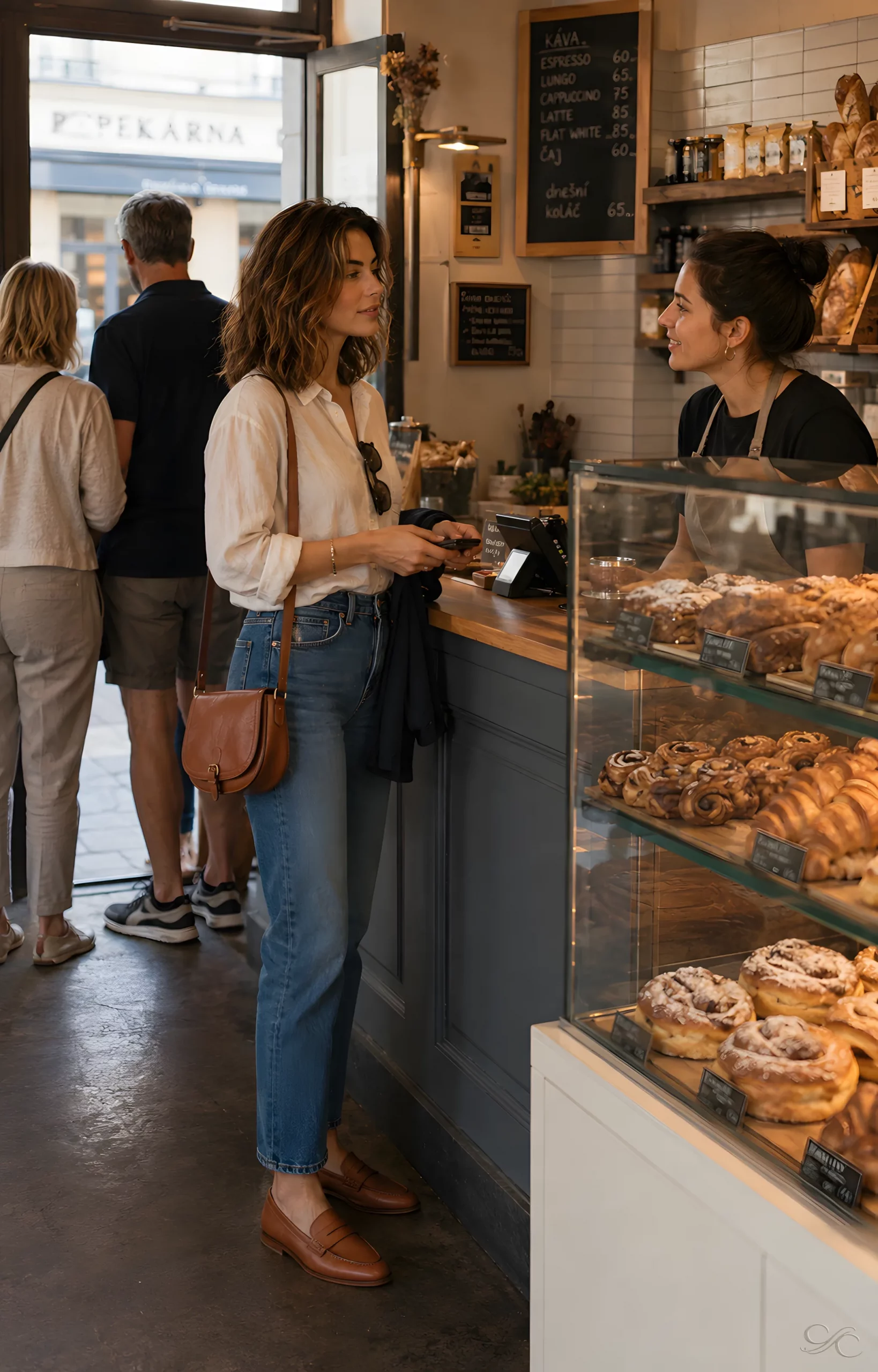
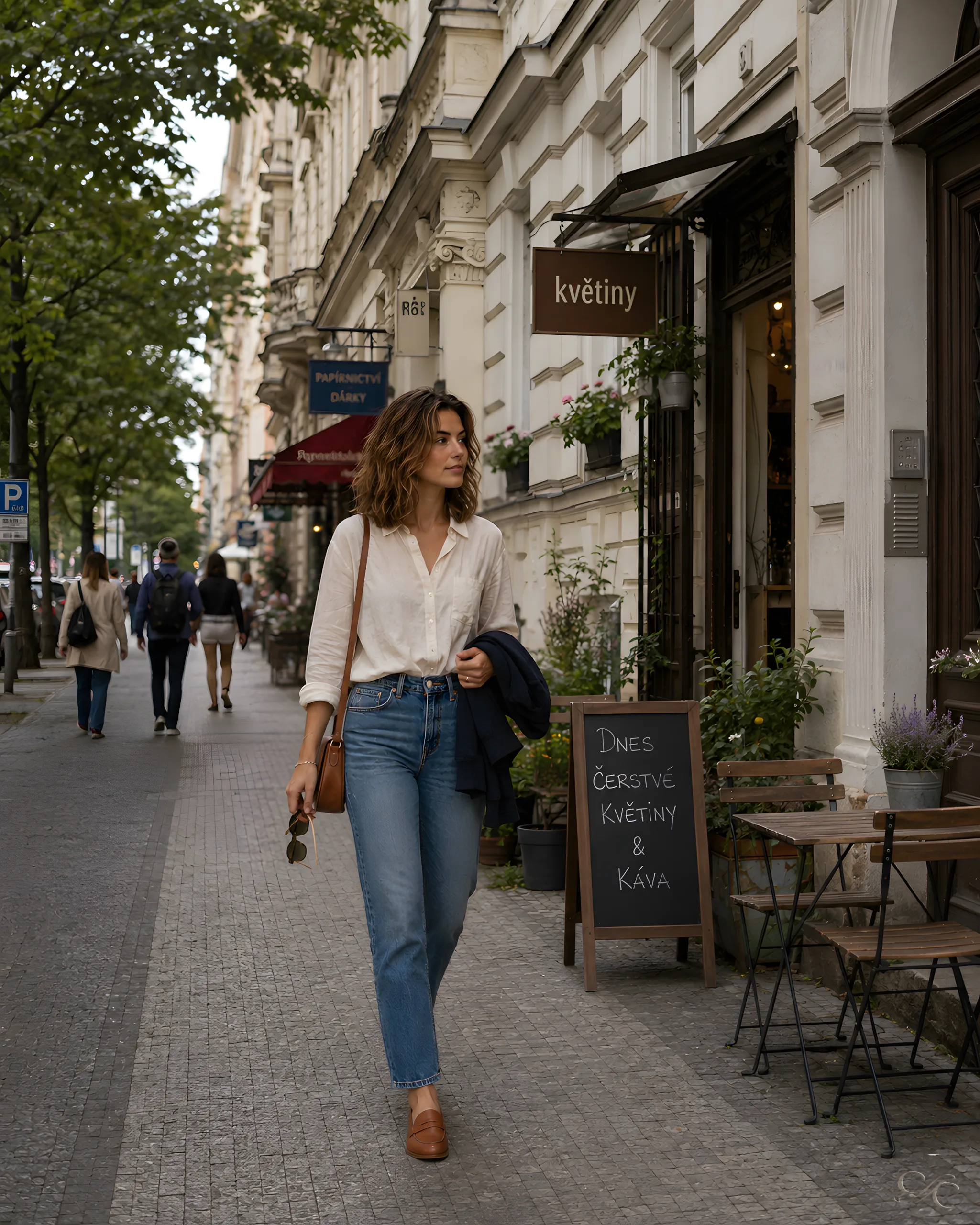
I began with coffee and something still fresh from the oven at a neighborhood bakery, a quieter start than the mornings spent moving toward Prague’s major sights. From there, Vinohrady unfolded in apartment-lined streets rather than courtyards, towers, and river views.
The name means “vineyards,” a trace of the slopes that once lay outside the medieval city. Most of what I passed belonged to a later Prague: late 19th- and early 20th-century residential blocks, corner cafés, small shops, and people carrying out weekday errands. Vinohrady was its own town until it became part of Prague in 1922.
Among the Students at Charles University

At Jan Palach Square, the university did not sit apart from the city. Students moved through the same open space as office workers, visitors, and people crossing between the river and Old Town.
Charles University was founded in 1348 by Charles IV and is the oldest university in Central Europe, but here it did not feel like a closed campus. Its faculties opened onto ordinary streets and squares. Around Jan Palach Square, students passed through as part of their day, not as part of a monument.
Market and Moravian Wine
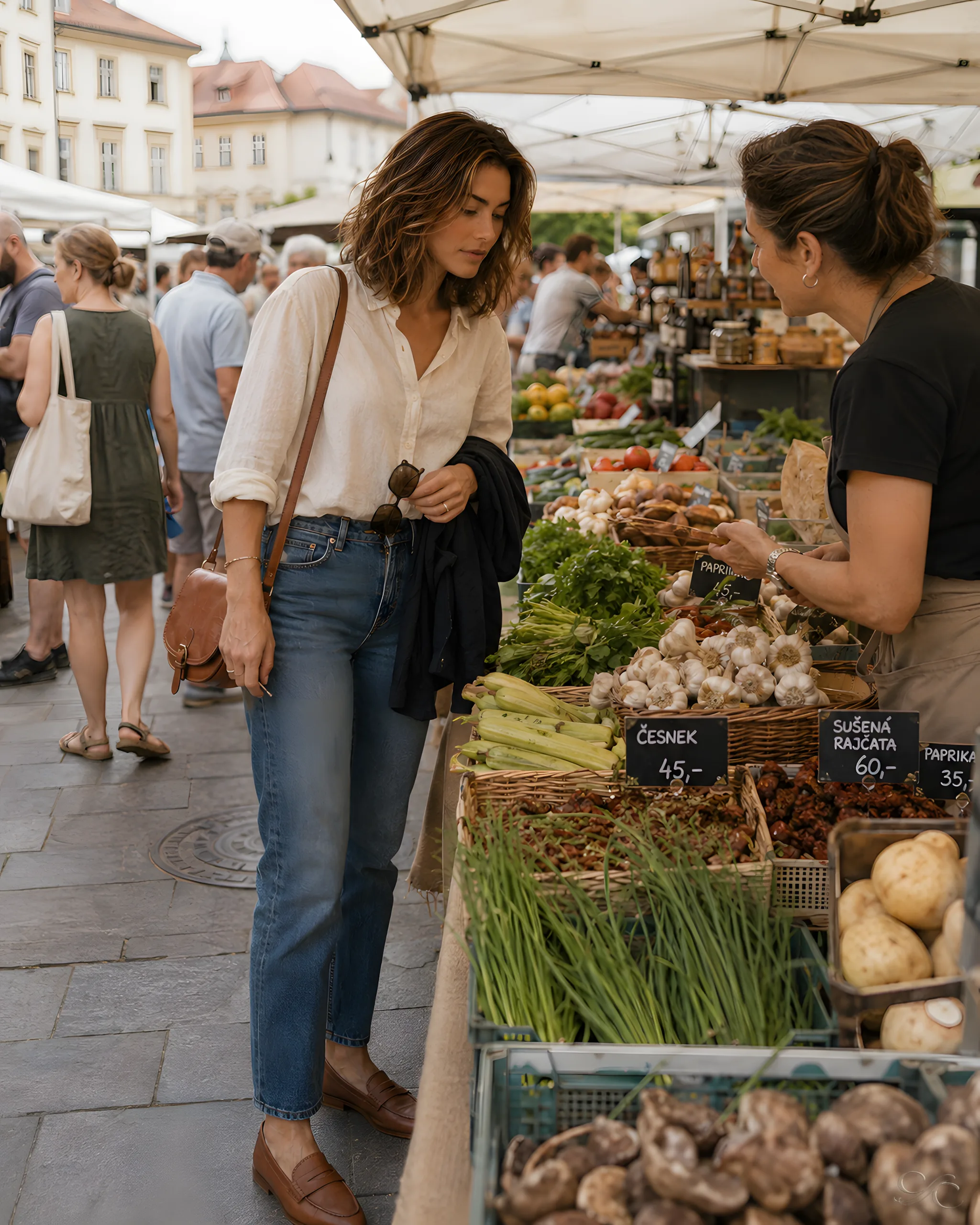
Later, I stopped at a neighborhood farmers’ market where residents were shopping for food and household goods. After the monument-heavy streets of central Prague, the market was more practical: people chose what they needed, carried it home, and continued with the day.
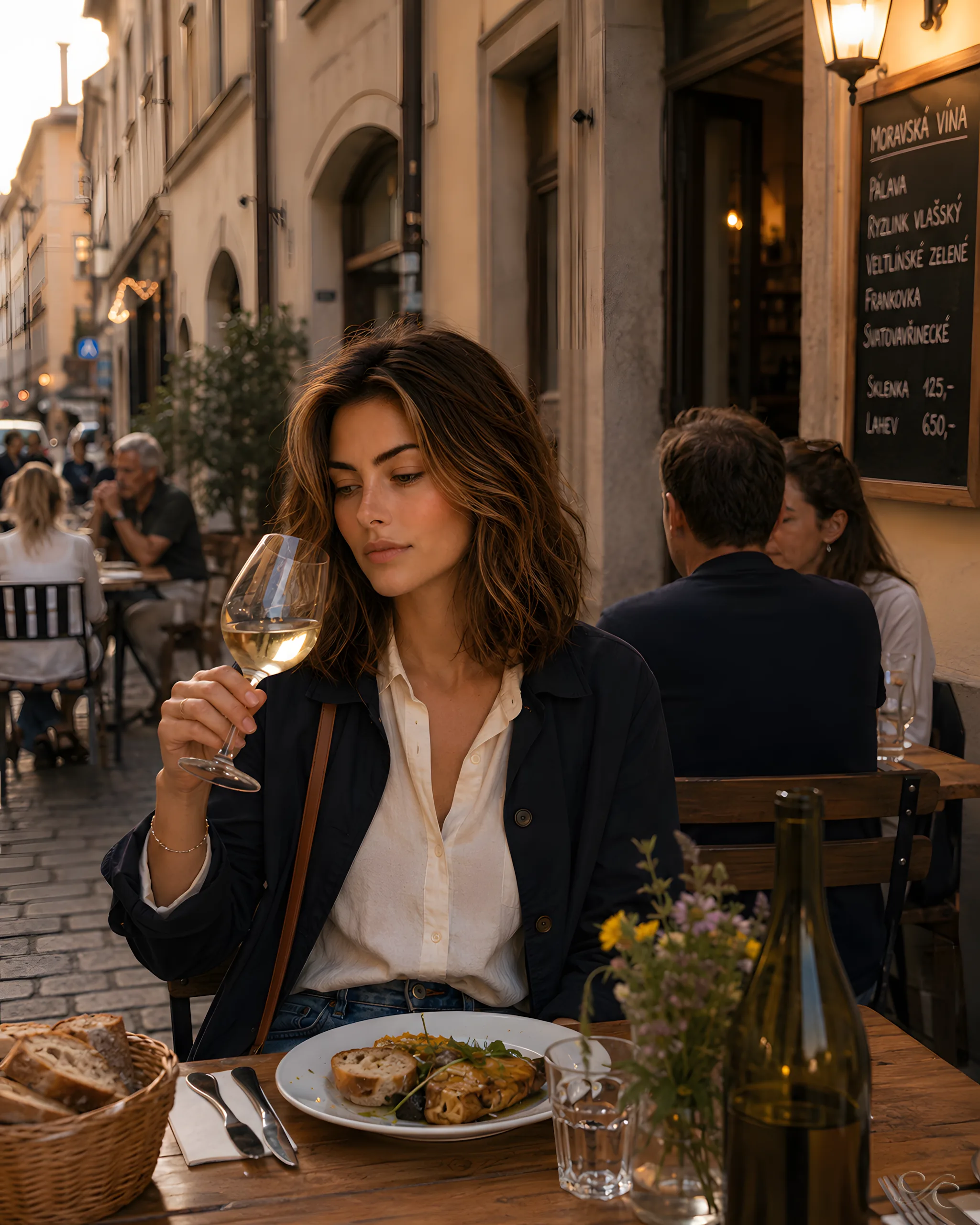
That evening, with the air a little cooler, I had dinner at an outdoor neighborhood restaurant and chose a Czech wine with the meal. Most Czech wine comes not from Prague but from Moravia, especially the southern wine districts near Austria and Slovakia. On local lists, names such as Veltlínské zelené, Ryzlink rýnský, and Pálava appeared more often than many visitors might expect.
From the Cold War to Contemporary Prague
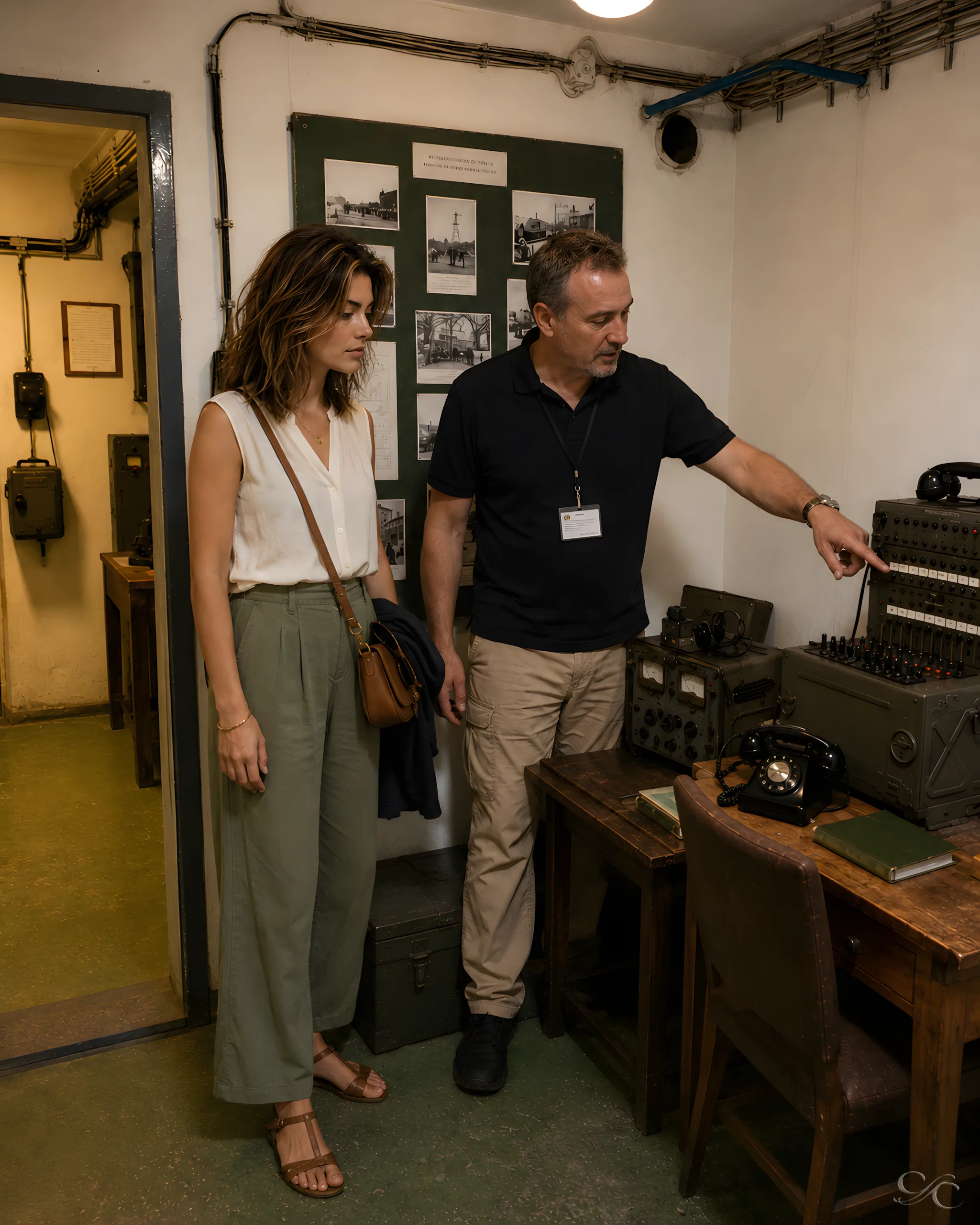
In the morning I was under Hotel Jalta, below Wenceslas Square, in rooms built for a different Prague. The hotel opened in 1958, during communist-era Czechoslovakia, and its concealed shelter was part civil-defense bunker, part communications facility. The tour explained how spaces like this were prepared for officials in the event of attack, with protected rooms, technical systems, and the closed logic of a state planned beneath ordinary hotel life.
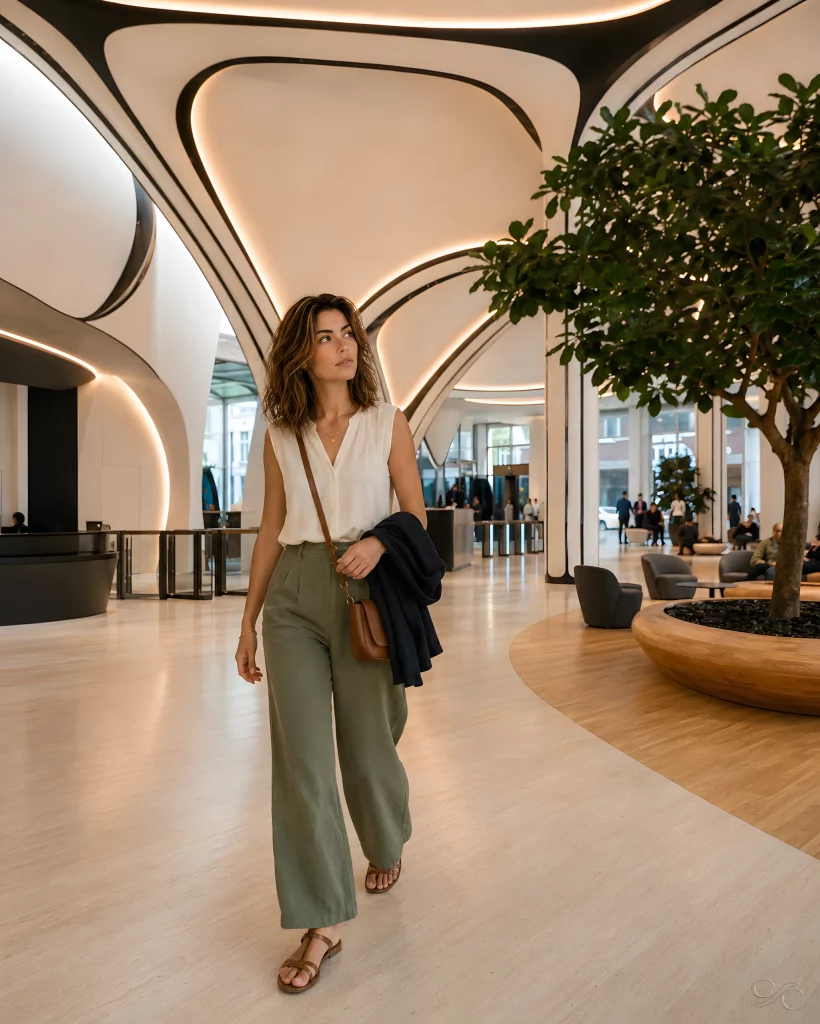
Later, near Masaryk railway station, the city shifted above ground. Masaryčka, the new development by Zaha Hadid Architects, stood beside one of Prague’s oldest stations, first opened in 1845.
Departing for Vienna
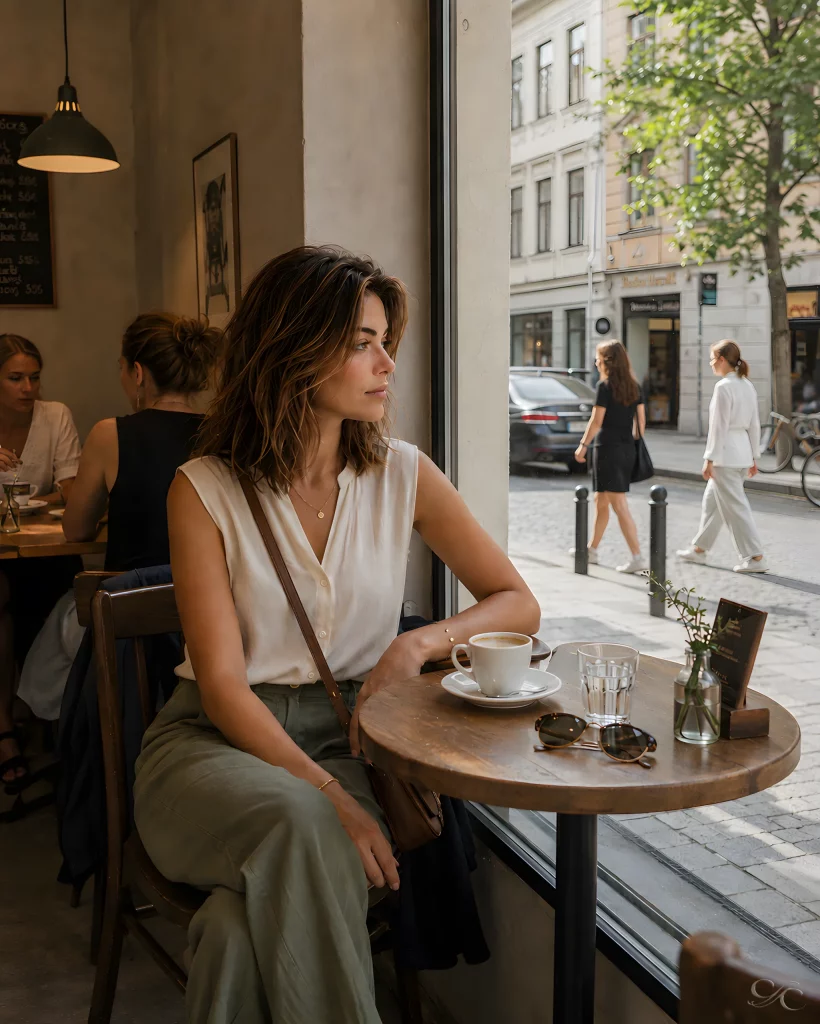
With time left before my train, I stopped at a neighborhood café for an afternoon coffee. Prague’s café culture was not only the famous grand kavárny of the First Republic era; small local cafés also served people stopping for a quick espresso, a newspaper, or a pause between errands. Mine was simply a last practical stop before departure.
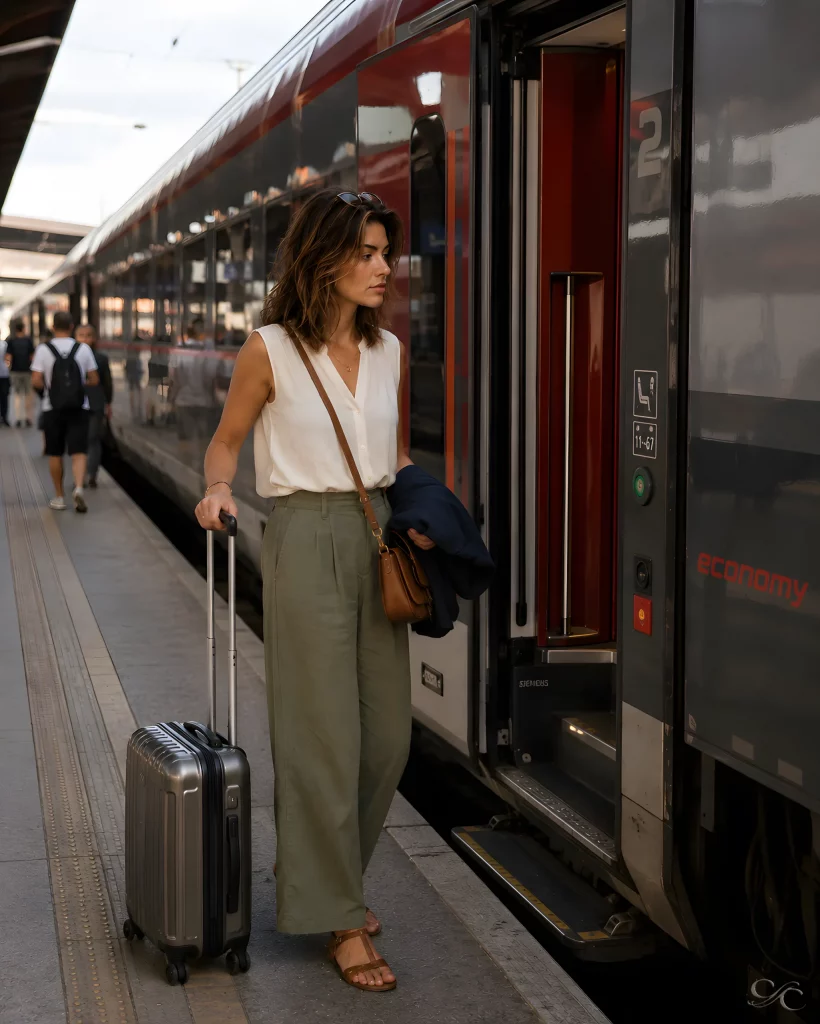
I left Prague by train, with Vienna as the next point on the route. The direct journey usually takes just over four hours, running south through Czech countryside toward the Austrian border.
Wines to Try
The Czech wine I had with dinner was a useful reminder that Prague’s wine lists often looked east and south, toward Moravia rather than the capital itself. A few names were worth recognizing:
- Veltlínské zelené — Czech Grüner Veltliner; usually dry, light, and good with simple dishes.
- Ryzlink rýnský — Riesling, often crisp and mineral rather than sweet.
- Pálava — an aromatic Moravian white, fuller and more floral; useful if you like Gewürztraminer.
- Rulandské šedé — Pinot Gris, commonly richer than Veltlínské.
- Frankovka — Blaufränkisch; a fresh, peppery red that works with meat dishes.
- Svatovavřinecké — St. Laurent, another Czech red to look for by the glass.
My Notes
I found it easier to think of Prague as a group of nearby districts rather than one continuous sightseeing zone. Short distances changed the day quickly: Malá Strana for a quieter base, Old Town for crowds and monuments, Vinohrady for residential streets, and Wenceslas Square for shops, transit, and modern city life.
- Trams are useful, not just scenic. Tram 23 was a good way to reach Hradčany, and even the historic cars ran as part of normal public transport.
- Timing matters in Old Town. The Astronomical Clock drew a crowd before the hour, while a late lunch nearby felt calmer once the main rush had passed.
- Malá Strana is convenient at both ends of the day. It kept me close to Charles Bridge and the castle without staying in the busiest part of Old Town.
- Casual cafés and pubs often used shared space. If a table has an open seat, asking first is enough.
- Beer is easy; Czech wine is worth checking. Many lists point toward Moravia, especially for whites.
The Journey Continues
Prague closed at the station rather than at another viewpoint. The ticket was for Vienna, a direct ride of just over four hours through Czech countryside toward Austria. Most trains on this corridor run by way of Brno and Břeclav before arriving at Wien Hauptbahnhof.
If you’re planning a trip to Prague, Slovenia, or other European destinations, 💬 chat with me for ideas on timing, wine, where to stay, and how to shape the journey naturally.
À bientôt,
Camille ✨